

If you’re searching for natural constipation relief Protocol that actually lasts, the standard advice — drink more water, eat more fiber, take a laxative — has probably already let you down. For the millions of people who have tried all of this and still suffer, that advice doesn’t just feel inadequate. It is inadequate.
Benjamin I. Brown, ND — a naturopathic doctor, researcher, and educator in integrative medicine — learned this the hard way. After developing severe post-infectious IBS following a bout of traveler’s diarrhea that landed him in a Paris emergency room, he found himself unable to walk two blocks to buy groceries. Drawing on years of clinical research, he built his own recovery — and then wrote The Digestive Health Solution to share the science that conventional medicine was missing.
The book covers the full picture: the real reasons natural constipation relief is so elusive, what’s actually going wrong in your gut, and a structured five-step plan to address it all. In this guide, we break down every part of the book — the research, the protocols, the specific doses, and the products — so you can put it to work for yourself.
Part 1: Understanding Digestive Troubles — What’s Really Going On
Part 1 of the book is a necessary foundation. Before Brown presents any solutions for natural constipation relief Protocol, he dismantles the misconceptions that keep most sufferers trapped — and explains what is actually happening in their gut.
The Scale of the Problem
IBS is the most common gastrointestinal disorder in the world, affecting at least 5–10% of the general population — with some estimates as high as one in five people. Despite this, it remains one of medicine’s great frustrations. The toll on quality of life is severe: IBS symptoms restrict daily activities for about ten weeks out of every year, and when asked in surveys, people said they would rather give up 25% of their remaining life — an average of 15 years — than continue living with their symptoms.
Brown argues, compellingly, that IBS is a disease of modern civilization: increased psychological stress, sleep deprivation, dietary upheaval, physical inactivity, and exposure to drugs like antibiotics and antacids. As societies modernize, IBS rates climb. For genetically susceptible people, the gut is the weak spot — and modern life is the pressure that breaks it.
9 Medical Myths That Block Natural Constipation Relief Protocol
 Related Articles You May Find Helpful
 Related Articles You May Find Helpful
- 5 Best Magnesium Supplements for Constipation (2026 Review)
- Magnesium Citrate vs Glycinate: The 2026 iHerb Guide for GLP-1 Users
- Mag O7 vs ColonBroom: Which Is Better for Colon Cleanse?
- Best OTC Laxatives for Constipation in the US (Fast & Gentle Options)
- 9 Best Probiotic Supplements 2026: Expert Guide for Gut Health
- 7 Best Natural Constipation Relief Remedies in 2026
- Does Dehydration Cause Constipation? The Science-Backed Link
- Best Fiber Foods for Gut Health & Constipation Relief
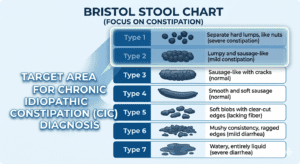
Diagnosing Your Type: The Bristol Stool Scale
One of the most practically important tools in the book is the Bristol Stool Scale. Brown emphasizes repeatedly: frequency is not a reliable indicator of constipation. Bowel movements ranging from three times daily to three times a week are all considered normal — so frequency tells you very little. The stool type, not the frequency, reveals the real story about your gut transit time. People who pass Type 1 or Type 2 stools daily are still constipated, and will not achieve natural constipation relief Protocol until this is addressed directly.
| Type | Appearance | Transit Status |
|---|---|---|
| Type 1 | Separate hard lumps — like rabbit pellets | ⚠️ Constipated (very slow transit) |
| Type 2 | Sausage-shaped but lumpy | ⚠️ Constipated (slow transit) |
| Type 3 | Like a sausage with surface cracks | ✅ Normal |
| Type 4 | Smooth, soft sausage or snake | ✅ Ideal |
| Type 5 | Soft blobs with clear-cut edges | Lacking fiber or mild urgency |
| Type 6 | Fluffy pieces with ragged edges, mushy | Mild diarrhea |
| Type 7 | Entirely liquid, watery — no solid pieces | Severe diarrhea |
See our full guide to Natural Constipation Relief: Why Gut Systems Beat Laxatives.
Part 2: The Real Root Causes of Constipation and IBS
Part 2 is the scientific heart of the book — the section that explains why standard natural constipation relief Protocol approaches so often fail. Brown dedicates a detailed chapter to each underlying cause, explaining the biological mechanism, the clinical evidence, and what you can do about it. Understanding this section is what makes the five-step plan truly effective.
The “Hidden Constipation” Revelation
This discovery has since been validated by radio imaging studies showing that many people with IBS have hidden constipation — abnormal fecal buildup in the large bowel even when they have daily stools. This mass puts pressure against the sensitive bowel wall, causing distention, bloating, discomfort, and pain. Crucially, the people treated by Professor Hunter’s group did not even realize they were constipated, because they tended to have a bowel movement most days — but their stools were consistently Type 1 and Type 2 on the Bristol Stool Scale.
Key clinical point: Type 1 and 2 stools indicate constipation regardless of how often you go. For more, see our article on constipation and Hemorrhoids often alternate.
The Five Real Causes of Chronic Constipation
1. Gut Bacterial Imbalance (Dysbiosis)
Your gut bacteria directly regulate the muscular contractions that move waste through your colon. People with chronic constipation consistently show lower bifidobacteria levels and altered microbial populations. A study from Finland found that subjects who reported abdominal pain had a five-fold decrease in bifidobacteria levels compared to those without pain. Clinically studied probiotics have been shown to improve gut transit time and provide natural constipation relief Protocol by rebalancing this ecosystem.
2. Defecatory Disorder (Pelvic Floor Dysfunction)
An inability to properly relax the pelvic floor muscles and anal sphincter during defecation is a surprisingly common and underdiagnosed cause. These patients do not respond to laxatives or fiber — and may react badly to them. Biofeedback therapy, which retrains these muscles using real-time feedback, has a 67% long-term success rate.
3. The Gut–Brain Axis and Chronic Stress
About 75% of people with IBS report that stress is a major trigger. Chronic stress elevates cortisol and adrenaline, which directly alter gut motility and disrupt the nervous system that controls bowel function. One 16-month study found that not a single continuously stressed IBS patient improved — while improvement only occurred in those who resolved their major stress source.
4. Food Intolerances
One study found that women with treatment-resistant constipation — who had failed both fiber and laxatives — achieved natural constipation relief Protocol by identifying and eliminating problem foods. Culprits included not just wheat and dairy but also tomato, beef, and cauliflower. Read more in our guide on Is Your Cooking Oil Causing Constipation?
5. Small Intestinal Bacterial Overgrowth (SIBO)
When bacteria overgrow into the small intestine — often due to low stomach acid or impaired gut motility — the result is excessive gas, bloating, and constipation. One study found that 84% of IBS subjects had signs of SIBO. Treating SIBO resulted in a 75% improvement in all IBS symptoms. Critically, SIBO and constipation form a vicious cycle: slow motility promotes SIBO, and SIBO worsens motility.
A Critical and Often Ignored Cause: Low Stomach Acid and Digestive Enzyme Deficiency
Brown dedicates a full chapter to “weak digestion” — an underappreciated contributor to constipation and IBS. The three major digestive secretions involved are stomach acid, pancreatic enzymes, and bile acids.
- Low stomach acid (from aging, antacid use, or H. pylori infection) impairs food breakdown, creates an environment for SIBO, and produces symptoms virtually identical to IBS — including constipation, bloating, and fatigue. Antacid use alone has been shown to cause bacterial overgrowth and IBS symptoms in some patients.
- Low pancreatic enzyme production was found in about 6% of IBS patients in a landmark Sheffield study. When these patients were given digestive enzyme supplements, stool frequency, stool consistency, and abdominal pain all improved dramatically.
- Bile acid diarrhea — where excess bile salts reach the colon — affects up to 30% of diarrhea-predominant IBS sufferers and is still routinely missed in clinical practice.
High-Carbohydrate Diets and the FODMAP Connection
Brown dedicates a full chapter to how modern high-carbohydrate diets “feed” gut bacteria — particularly in SIBO, where sugars are fermented too early in the small intestine. The specific carbohydrates that cause the most problems are collectively termed FODMAPs: Fermentable Oligosaccharides, Disaccharides, Monosaccharides And Polyols. When healthy people were given the fructose equivalent of a typical modern daily diet in a single sitting, over 50% developed bloating, pain, and loose stools. The FODMAP diet provides symptom relief to about 75% of IBS sufferers — but Brown is careful to note it treats symptoms, not the underlying bacterial cause.
The Gut–Brain Axis: How Stress Destroys Your Digestion
The gut contains more neurons than the spinal cord. Via the gut–brain axis, your emotional state and digestive function are inseparable. Trauma in childhood, chronic anxiety, and daily stress all predispose people to IBS. Conversely, gut bacterial imbalance can directly cause anxiety by altering gut–brain signaling. Research shows that women with IBS asked to prepare a public speech produced significantly more cortisol than IBS-free women — their nervous systems were fundamentally more reactive.
The Digestive Clock: Sleep, Melatonin, and Natural Constipation Relief Protocol
One of the book’s most underappreciated sections reveals an important but rarely discussed connection: melatonin deficiency and IBS.
Melatonin is not just a sleep hormone — the gastrointestinal tract is itself a major site of melatonin production, where it regulates muscle contractions and reduces gut pain and inflammation. The most likely reason melatonin is low in IBS sufferers is chronic exposure to artificial light at night — screens and electric lighting suppress the pineal gland’s melatonin production.
Physical Inactivity: A Direct Cause of Constipation
Brown cites a compelling study where a daily program of 30 minutes of brisk walking plus 10 minutes of home-based flexibility and strength exercises significantly improved constipation — hard stools, incomplete evacuation, and straining all decreased — with X-ray imaging confirming improved colon transit time. Physical activity stimulates peristalsis (the muscle contractions that move waste) and increases gas clearance from the gut. Yoga has been shown to reduce IBS symptoms within four weeks, with instructional video programs as effective as in-person classes — providing a practical, accessible route to natural constipation relief Protocol through movement.
Part 3: The Five-Step Plan for Natural Constipation Relief Protocol
The five-step plan is the action component — the structured, sequential program that applies everything discovered in Parts 1 and 2. Brown is clear: start in order. Steps 1 and 2 deliver the fastest relief. Steps 3 and 4 require more planning but produce the most durable results. Step 5 is for life.
The goal of Step 1 is to reduce your symptoms as quickly as possible — because the more manageable your daily symptoms are, the easier it is to follow the rest of the program. Brown presents five evidence-based natural medicines for natural constipation relief Protocol and IBS. Not all will work for everyone, but they can significantly reduce symptoms while you work on the root causes.
| Natural Medicine | Best For | Dose (from book) | Time to Work |
|---|---|---|---|
| Peppermint Oil | Flatulence, abdominal pain, distention, cramping, diarrhea, bloating, constipation | 1–2 enteric-coated capsules (0.2–0.4 ml), 3× daily | Days for initial relief; best results for pain at ~8 weeks |
| Digestive Enzymes | Symptoms worse after eating: bloating, urgency, cramping, diarrhea after meals | 1–3 capsules per trigger meal | Immediately; optimal effects at ~6 weeks |
| Artichoke Leaf Extract | Abdominal cramping, pain, chronic constipation, fat intolerance, nausea after meals | 320 mg twice daily to start; increase slowly up to 640 mg 1–3× daily | May work quickly; best effects at 6–8 weeks |
| Herbal Mixtures | Overall symptom relief — pain, gas, bowel habits, quality of life | Follow product label; typically 3× daily | 1–4 weeks |
| Aloe Vera Juice (inner leaf, aloin-free) | Diarrhea-predominant symptoms, gut inflammation, improving bowel regularity | 100 ml twice daily (inner leaf, aloin-free only) | Benefits from 1 month; continue improving to 4 months |
Peppermint Oil — The Most Studied Natural Medicine for Constipation and IBS
More than ten clinical studies have investigated peppermint oil in IBS. It works as a smooth muscle relaxant in the gastrointestinal tract, reducing muscle spasms, cramping, and pain — comparable in effect to prescription antispasmodics. It also has antibiotic properties against H. pylori, Staphylococcus aureus, and E. coli, meaning it may address bacterial imbalance while relieving symptoms. A 20-day course has also been shown to reduce SIBO. Critical requirement: the capsule must be enteric-coated — without this coating, the oil is digested in the stomach and causes indigestion instead of natural constipation relief Protocol.
Artichoke Leaf Extract — The Overlooked Natural Constipation Remedy
Artichoke leaf extract (Cynara scolymus) has solid clinical evidence and is particularly valuable for constipation. It works by reducing gut muscle spasms AND stimulating bile production from the gallbladder — aiding fat digestion and relieving constipation caused by sluggish bile flow. Studies show it improves abdominal pain, cramping, bloating, flatulence, diarrhea, AND constipation, including chronic constipation with nausea and appetite loss. For people with fat intolerance or post-meal nausea, it may be the most appropriate natural constipation relief Protocol choice in Step 1.
Betaine HCl — Natural Support for Low Stomach Acid
Brown provides detailed guidance on betaine hydrochloride for those with suspected low stomach acid. Studies have shown it can relieve indigestion, excessive gas, bloating, constipation, diarrhea, and fatigue. Dose: Start with one capsule containing 650 mg of betaine hydrochloride with each meal. If needed, increase by one capsule per meal up to a maximum of three capsules per meal — use fewer capsules with smaller meals and more with larger meals. Do not use if taking NSAIDs (aspirin, ibuprofen), corticosteroids, or if you have an existing peptic ulcer. Stop immediately if abdominal burning occurs.
The Kiwifruit Kick-Start Protocol — Natural Constipation Relief Protocol Step by Step
For the “overload and overflow” constipation pattern, Brown presents a detailed natural protocol based on research from Auckland University of Technology, New Zealand. Multiple clinical studies show that eating 2–3 green kiwifruit daily for four weeks relieves constipation, improves stool type on the Bristol Stool Scale, reduces bloating, and decreases laxative use — in both constipation-only and IBS-C patients. It remains one of the most evidence-backed options for gentle, sustainable natural constipation relief Protocol.
Kiwifruit works via three mechanisms: the enzyme actinidin (improves protein digestion and gastric emptying), a unique prebiotic fiber (feeds bifidobacteria), and a gentle swelling fiber that does not ferment and cause gas the way other fibers do.
🥝 The Complete Kiwifruit Kick-Start Protocol (8 Steps from the Book):
- Each morning, consume two to three green fuzzy kiwifruit (Actinidia deliciosa— not the smooth yellow variety). Alternatively, take a single 2.5–5 g dose of a kiwifruit supplement standardized to the enzyme actinidin.
- Shortly after consuming the kiwifruit, drink two full glasses (500 ml) of water.
- Continue every morning for four weeks.
- During the initial four weeks, do not take any fiber supplements and avoid foods with added fiber such as cereals and cereal grain products.
- The kiwifruit should slowly improve your bowel movements, reduce bloating, and leave you feeling much more comfortable over the coming weeks.
- After the four weeks, stop the kiwifruit and start taking 1 tablespoon of ground flaxseeds instead. Sprinkle on food or stir into water — always follow with two glasses of water.Note: start with a heaped teaspoon twice daily; increase gradually up to 2 tablespoons twice daily as needed.
- Find your optimal dose — too much can cause bloating. Once you find the right amount, you should maintain regular stools and prevent constipation again.
- You should not need to repeat the program. But if the effects wear off, stop the flaxseeds, return to daily kiwifruit until symptoms improve, then resume flaxseeds.
If kiwifruit is unavailable: Use papaya (Carica papaya) instead — 2 cups of chopped fresh papaya, or 20–40 ml of a papaya paste supplement. Papaya contains the enzyme papain and has similarly been shown to relieve constipation.
Biofeedback Therapy — When Natural Constipation Relief Protocol Requires Muscle Retraining
For people whose constipation is caused by inability to relax the pelvic floor muscles during defecation (defecatory disorder), biofeedback therapy is the only effective treatment — laxatives and fiber not only fail but may worsen the problem. About 67% of patients experience long-lasting benefit. This requires assessment by a gastroenterologist or colorectal physiotherapist first.
🛒 Step 1 — Natural Constipation Relief Protocol Products
🌿Enteric-Coated Peppermint Oil Capsules
Dose: 1–2 enteric-coated capsules (0.2–0.4 ml), 3× daily. Initial relief within days; best results for pain at ~8 weeks.
⚗️Broad-Spectrum Digestive Enzymes (lipase + amylase + protease)
Dose: 1–3 capsules per trigger meal. Benefits often felt immediately; optimal effects can take several weeks.
🌱Artichoke Leaf Extract — Cynara scolymus (standardized)
Dose: 320 mg twice daily (with meals) to start. Increase slowly up to 640 mg, 1–3× daily if needed. Best effects at 6–8 weeks.
🥝Kiwifruit Supplement (standardized to actinidin enzyme)
🌾Organic Ground Flaxseed Meal (pre-milled)
Start: 1 heaped teaspoon twice daily with meals. Increase gradually up to 2 tablespoons twice daily as needed. Always follow with two glasses of water.
💊Betaine HCl + Pepsin (for low stomach acid)
Dose: Start with one 650 mg capsule per meal. Increase by 1 capsule per meal (max 3/meal) if needed. Adjust to meal size.
🍹Aloe Vera Inner Leaf Juice (aloin-free, preservative-free)
Dose: 100 ml twice daily. Benefits noticed from 1 month; continue improving over 4 months.
For a broader comparison of natural constipation relief Protocol approaches, see our guide to the most effective natural constipation remedies.
Step 2 targets a major root cause of constipation: gut bacterial imbalance (dysbiosis). As Brown explains, the 1–1.5 kilograms of bacteria living in your gut function like a vital organ — influencing immune function, vitamin production, toxin clearance, and above all, the muscular contractions that drive bowel movements. Restore balance here, and natural constipation relief Protocol often follows as a direct consequence.
Choosing the Right Probiotic — Strain Matters Enormously
Brown is emphatic: not all probiotics work, and some worsen IBS. The genus and species tell you only part of the story — the strain determines the clinical effect. Choosing a probiotic without knowing the strain is like choosing a medication without knowing the molecule. Below are the strains with the strongest evidence for natural constipation relief Protocol and IBS:
| Probiotic Strain | Best For | Time to Work |
|---|---|---|
| Bifidobacterium infantis 35624 | Overall IBS relief — pain, bloating, incomplete evacuation, flatulence | 4 weeks |
| Lactobacillus plantarum 299V | Stool frequency, bloating, incomplete evacuation, abdominal pain — 95% of patients reported benefit in one study | 4 weeks |
| Multi-strain blend: L. acidophilus CUL60 + CUL21; B. lactis CUL34; B. bifidum CUL20 | Symptom severity scores, quality of life, pain frequency | 4–8 weeks |
| For SIBO: L. casei Shirota (Yakult), Bacillus clausii, L. johnsonii La1, or blend of L. casei + L. plantarum + E. faecalis + B. brevis | Reducing small intestinal bacterial overgrowth — shown to be as effective as antibiotic rifaximin in some studies | 4–6 week course |
Key notes on probiotic use from the book:
- Give each probiotic at least 4 weeks before judging effectiveness. If no improvement, try a different strain or blend.
- Some initial gas or bloating in the first 2–3 days is normal and typically resolves on its own.
- Most probiotics’ benefits don’t persist after stopping — long-term use may be necessary for ongoing natural constipation relief Protocol.
- Missing a day or two between doses doesn’t significantly reduce effectiveness, as benefits are maintained.
Prebiotics — Feed the Good Bacteria, But Dose Carefully
Prebiotics are specific fibers that selectively feed bifidobacteria. The most effective types for natural constipation relief Protocol are short-chain fructooligosaccharides (sc-FOS) and galactooligosaccharides (GOS), found in chicory, asparagus, onions, garlic, bananas, and artichokes.
Natural Probiotic-Boosting Foods (From the Book)
Brown lists several everyday foods shown in research to boost beneficial bacteria — a valuable and overlooked tool for natural constipation relief Protocol without supplements:
🍎 Apples
🍌 Bananas
🫐 Blueberries
🍫 Cocoa
🛒 Step 2 — Probiotic Products for Natural Constipation Relief Protocol
🦠Align Probiotic — Bifidobacterium infantis 35624
Dose: 1 capsule daily. Allow 4 weeks to assess effectiveness.
🦠Jarrow Formulas Ideal Bowel Support — Lactobacillus plantarum 299V
Dose: 1 capsule daily. Allow 4 weeks minimum. Can be taken long-term.
🌱Prebiotic sc-FOS or GOS Supplement (low-dose)
Dose: 3–5 g daily maximum. Start with a very small amount (¼–½ tsp) and increase over 2 weeks. Best results after 6 weeks of daily use.
For a deeper look at rebuilding your gut microbiome for natural constipation relief, see our guide on the best probiotics for constipation.
Step 3 addresses the gut–brain axis directly. Because your central nervous system controls your gut’s motility, secretion, and pain sensitivity, chronic stress creates chronic digestive dysfunction — and blocks natural constipation relief Protocol no matter what supplements you take. Brown’s approach is practical: three specific, evidence-based techniques that reduce the physiological stress response. He also highlights Cognitive Behavioural Therapy (CBT) as the most thoroughly studied mind–body treatment for IBS in the medical literature.
Technique 1: Abdominal Breathing (Before Meals)
Also called diaphragmatic breathing, this technique activates the parasympathetic “rest and digest” nervous system — and suppresses the “fight or flight” response that shuts down digestion and constipation relief. Brown recommends practicing 3× daily, for 10–15 minutes, before meals, for the first month. After that, once or twice daily is sufficient.
The technique: Find a comfortable position. Place one hand on your abdomen (near the navel), one on your chest. Exhale fully. Inhale slowly through the nose for 4 counts, pushing the abdomen outward. Hold for 4–7 counts. Exhale slowly through the mouth for 8 counts, gently contracting the abdomen. Repeat for 5 full cycles. The belly should move more than the chest.
Technique 2: Daily Meditation (5–30 Minutes)
Regular meditation promotes relaxed brainwave activity, reduces emotional and physical stress symptoms, and has measurable effects on the production of stress hormones. Even 5–10 minutes per day consistently produces benefits. Find a consistent time and place (morning or late evening typically works best). Focus on one aspect of the breath and gently return to it when the mind wanders — there is no “good” or “bad” meditation.
Technique 3: Daily Symptom and Stress Diary
Keep a daily diary for three months. Each evening, rate each symptom 1–10 and answer five questions: Did a stressful event occur? What happened? How did you feel emotionally? What physical sensations arose? Did your symptoms change? At the end of each week, look for patterns. This creates an objective map of which situations reliably trigger flare-ups — so you can change the situation or change your response to it.
Cognitive Behavioural Therapy (CBT)
Brown notes that CBT is the most thoroughly researched mind–body intervention for IBS in the medical literature, with strong evidence for improving both gastrointestinal and psychological symptoms. If symptoms are significantly affecting quality of life, seeking a CBT practitioner familiar with IBS is worth the investment.
💡 Stress–Constipation Connection: If your constipation is consistently worse during stressful periods, Step 3 may deliver more natural constipation relief Protocol than any supplement. One 16-month study found that not a single continuously-stressed IBS patient improved — while those who resolved their major stressor showed significant recovery. See our article on Why Fiber Isn’t Working for Your Constipation?
.
Step 4 is the most demanding part of the program — but for people with food-driven constipation or IBS, it often delivers the most transformative natural constipation relief Protocol. The approach is an elimination and re-challenge diet: a structured, two-phase plan to discover exactly which foods are driving your symptoms.
The Most Common Food Triggers
Research shows the most common problem foods are: wheat/gluten, cow’s milk and dairy, eggs, tomato, beef, coffee, corn, onions, yeast, chocolate, citrus fruits, and high-fructose products. Notably, gluten intolerance is four times more common in IBS sufferers than in the general population, and lactose intolerance was found in 68% of one IBS patient cohort. A lactose-free diet in that group eliminated all symptoms in 43.6% of patients — with a 5-year follow-up showing 87.5% of those who maintained a lactose-free diet were completely symptom-free, and their medical visits dropped by 75%.
The FODMAP Approach — Natural Constipation Relief Protocol Through Carbohydrate Restriction
The FODMAP diet restricts fermentable carbohydrates that produce gas and draw water into the bowel. Clinical studies show it relieves symptoms in about 75% of IBS sufferers, outperforming standard dietary guidelines for pain, bloating, and flatulence.
| Food Group | ⚠️ High FODMAP (Restrict in Phase 1) | ✅ Low FODMAP (Permitted) |
|---|---|---|
| Fruits | ||
| Fruits | Apples, pears, peaches, mangoes, cherries, plums, watermelon | Bananas, berries, grapes, grapefruit, kiwifruit, papaya, cantaloupe |
| Vegetables | ||
| Vegetables | Onions, garlic, asparagus, artichokes, leeks, Brussels sprouts, broccoli, beetroot, fennel | Carrot, celery, capsicum (peppers), corn, eggplant, green beans, parsnip, tomato, pumpkin |
| Grains & Dairy | ||
| Grains | Wheat, rye | Gluten-free products, rice, spelt (in small amounts) |
| Dairy | Milk, ice cream, soft cheeses, yoghurt | Lactose-free products, hard cheese, butter |
| Sweeteners & Legumes | ||
| Sweeteners | Fructose, honey, high-fructose corn syrup, agave, sorbitol, xylitol, maltitol | Maple syrup, glucose, table sugar (sucrose) |
| Legumes | Beans, lentils, chickpeas | Small servings of canned/rinsed legumes |
Brown’s important caveat on FODMAP: The FODMAP diet treats symptoms, not causes. Healthy people produce the same amount of gas when eating FODMAPs as IBS sufferers — the difference is that the IBS gut is hypersensitive to this normal fermentation. Addressing the underlying bacterial imbalance (Steps 1 and 2) may eventually allow toleration of previously problematic foods. FODMAP should be supervised by a trained nutrition professional and is not meant to be permanent.
Phase 1: Clear Out (4 Weeks)
Eliminate gluten-containing grains, dairy, high-lactose foods, high-FODMAP foods, processed meats, refined sugars, alcohol, and artificial additives. Eat primarily lean protein (fish, poultry, lean beef, pork), a wide variety of permitted vegetables, healthy fats, nuts, and seeds.
Phase 2: Eat and Evaluate
Reintroduce one food every three days, tracking symptoms carefully. This reveals your personal pattern of food intolerances. Test for celiac disease (blood IgA anti-tissue transglutaminase antibody test) and lactose intolerance (lactose hydrogen breath test) before starting if possible. IgG food sensitivity testing — while still debated scientifically — has shown significant clinical benefit in multiple studies when used to guide dietary elimination.
Step 4 — Diet Support Products
💊Magnesium Citrate (200–400 mg capsules)
Dose: 200–400 mg at bedtime. Start low and increase if needed. See our full guide: magnesium for constipation.
🐟 High-Potency Omega-3 Fish Oil (EPA + DHA ≥1,000 mg)
Dose: 1,000–2,000 mg combined EPA+DHA daily with food.
🧬IgG Food Sensitivity Test (at-home or lab)
At-home finger-prick test kits available. Also offered through integrative medicine practitioners and functional labs.
The final step acknowledges a key truth: if your gut is your weak spot, it will remain your weak spot. The goal of Step 5 is not more treatments — it’s building sustainable habits that preserve your natural constipation relief Protocol and prevent symptoms from returning. Brown presents five long-term recommendations.
1. Eat Well — Permanently
The food plan from Step 4 isn’t a temporary diagnostic exercise — it’s a template for lifelong eating. Brown emphasizes fruits, vegetables, nuts, seeds, legumes, wholegrains, lean meats, and fish. He also recommends a quality multivitamin, additional vitamin D, and omega-3 supplementation as a basic, affordable nutritional foundation. On the behavioral side, research shows that most food choices are unconscious, driven by environmental cues. Practical rules are more effective than willpower: don’t buy food you shouldn’t eat; use 25 cm plates; cover 50% of the plate with vegetables; don’t eat with the television on.
2. Exercise Most Days — Including Yoga
Physical inactivity is a direct cause of constipation. A study in adults with chronic constipation found that 30 minutes of brisk walking daily plus 10 minutes of home-based flexibility and strength exercises significantly improved constipation and colon transit time on X-ray imaging. Yoga deserves special mention: it has been shown to reduce IBS symptoms within four weeks, and instructional videos are as effective as in-person classes — providing an accessible route to natural constipation relief Protocol through movement. A pedometer target of 10,000 steps/day is a practical starting goal.
3. Reset Your Digestive Clock — Melatonin and Sleep Hygiene
As detailed in Part 2, IBS sufferers have significantly lower melatonin levels and disrupted circadian rhythms. Restoring melatonin — either by resetting the biological clock or through supplementation — delivers natural constipation relief Protocol alongside better sleep, reduced anxiety, and improved mood simultaneously.
Reset your clock (free): Extend darkness at night to 9–10 hours; blackout your bedroom; reduce screen viewing after 9 PM; expose your eyes to morning sunlight for at least 30 minutes; if you wake at night, do not turn on lights.
Melatonin supplementation: 3 mg at bedtime. Clinical IBS trials showed this dose produced significant reductions in abdominal pain (within as little as two weeks in one study), improved bowel function, and reduced anxiety and depression over eight weeks. Available OTC in the US. Brown notes it is prescription-only in Australia and the UK, where a healthcare provider’s guidance is needed.
🌙Melatonin 3 mg (synthetic, not homeopathic)
Dose: 3 mg at bedtime consistently. Reassess after 8 weeks.
☀️Dawn-Simulating Alarm Clock / Sunrise Light
🧘Pedometer / Step Counter (for the 10,000 Step Challenge)
🌟Multivitamin + Vitamin D (combined formula, at least 1,000 IU D3)
Dose: 1 daily multivitamin containing at least 1,000–2,000 IU vitamin D3.
4. Cultivate Resilience (Not Just Stress Reduction)
Brown introduces a concept that goes beyond standard “stress management” advice. Research found that happier, more resilient people don’t experience less stress — they have more social support and a higher level of social connectedness. Social connection, time with family and friends, time in nature, a sense of purpose, meaningful work, adequate holidays, and optimism are all shown to buffer the physiological damage that chronic stress causes. These factors directly protect digestive health by keeping the nervous system calmer at baseline — and protect your long-term natural constipation relief Protocol.
5. Self-Medicate Naturally — As Needed
Once symptoms are under control, keep effective natural medicines on hand for occasional flare-ups: peppermint oil, digestive enzymes with trigger meals, and whichever probiotic worked best for you. Long-term probiotic use is safe and beneficial for maintaining microbial balance. Missing a few days doesn’t significantly reduce effectiveness — the benefits are maintained.
📋 Complete At-a-Glance Summary: 5 Steps to Natural Constipation Relief Protocol
- Step 1: Get Fast Natural Constipation Relief Protocol — Kiwifruit kick-start (8-step protocol) + ground flaxseeds for constipation; enteric-coated peppermint oil (0.2–0.4 ml, 3× daily) for pain and gas; digestive enzymes for post-meal symptoms; artichoke leaf extract (start 320 mg twice daily) for cramping and fat intolerance; betaine HCl 650 mg per meal for low stomach acid; aloe vera inner leaf juice 100 ml twice daily for diarrhea and inflammation.
- Step 2: Cultivate Good Bacteria — Use a clinically studied strain: B. infantis 35624 or L. plantarum 299V. Add low-dose sc-FOS or GOS prebiotic (3–5 g/day max) after 2 weeks. For SIBO: consider L. casei Shirota or peppermint oil. Eat apples, bananas, blueberries, and cocoa to boost bifidobacteria naturally.
- Step 3: Calm Your Nervous Gut — Abdominal breathing 3× daily before meals; daily meditation (5–30 min); symptom and stress diary for 3 months. Consider CBT if symptoms significantly impact quality of life.
- Step 4: Put Your Digestion on a Diet — 4-week Phase 1 elimination (remove gluten, dairy, high-FODMAP, processed foods). Phase 2: reintroduce one food every 3 days. Test for celiac and lactose intolerance. Consider IgG food sensitivity testing under professional guidance.
- Step 5: Stay Symptom-Free for Life — Whole-food diet; 30+ min exercise most days (walking, yoga, 10,000 steps/day); 3 mg synthetic melatonin at bedtime if pain and sleep are issues; reduce evening screen light; multivitamin + vitamin D + omega-3 ongoing; social connection and resilience-building.