

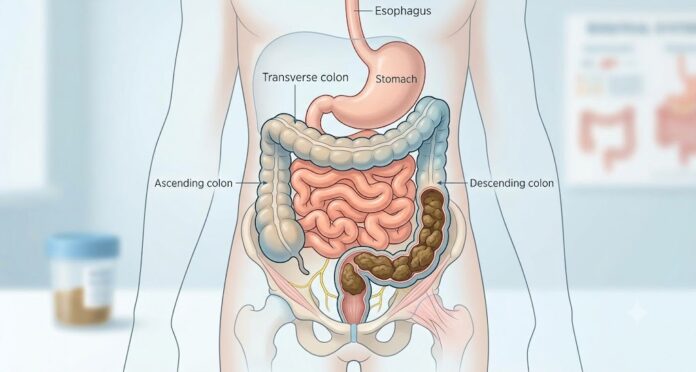
Hard stool is one of the most common signs of constipation. It often happens when your body does not have enough fiber, fluids, or movement to keep stool soft and easy to pass.
The good news is that for most people, this responds well to natural changes in diet and daily habits, often without needing a laxative at all. This guide covers why stool becomes hard, the most research-supported natural ways to soften it, realistic timelines, and when it is a sign you should see a doctor rather than try another home remedy.
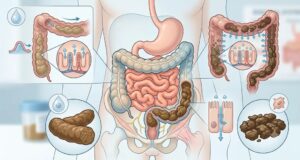
Stool consistency is largely a matter of water content and how long waste sits in the colon. The longer it stays there, the more water the colon wall reabsorbs, and the harder and drier it becomes.
Mayo Clinic identifies low dietary fiber, insufficient fluid intake, physical inactivity, certain medications, and aging among the most common contributors to constipation.[5]
- Low fiber intake. Many people do not get enough dietary fiber from their typical diet. Fiber adds bulk and, in its soluble form, draws water into stool to keep it soft.
- Not drinking enough fluids. Even mild, non-symptomatic dehydration appears to reduce stool water content and slow gut transit. Our guide on how dehydration affects bowel function covers the research behind this in detail.
- Lack of movement. Physical activity helps stimulate peristalsis, the wave-like muscle contractions that move waste through the colon. Research on exercise interventions has found measurable improvements in bowel frequency and gut transit time among people who increased physical activity.
- Changes in gut bacteria. An imbalanced gut microbiome can affect stool water content, short-chain fatty acid production, and motility, which is part of why probiotic-rich foods sometimes help.
- Stress and routine changes. Travel, irregular meal times, and acute stress can all slow gut motility temporarily, which is part of why digestive trouble often flares around travel or major life changes.
It is worth noting this is not always a simple fiber-and-water problem. For people who have already tried the usual advice without success, slow-transit constipation, IBS-C, or pelvic floor dysfunction may be involved. Our article on why fiber isn’t working for your constipation explains these alternate causes and what tends to help instead.
Affiliate Disclosure: This article contains affiliate links. If you purchase through our links, we may earn a small commission at no extra cost to you. Our editorial recommendations are based on research and are never influenced by affiliate relationships.
At a Glance: Best Natural Stool-Softening Products
If diet alone isn’t softening things up, here are the most evidence-backed natural products to start with:
- Best fiber supplement (strongest evidence): Konsyl Daily Psyllium Fiber Powder — 100% pure psyllium husk, unflavored, sugar-free, the most clinically studied fiber for hard stool
- Best fast-acting food option: Sunsweet Amazin Prune Juice — contains sorbitol, pectin, and polyphenols shown in clinical trials to soften stool and improve symptoms
- Best dried fruit alternative: Sun-Maid Dried California Figs — natural sorbitol and both soluble and insoluble fiber, shelf-stable snack option, one of the best-selling dried fig brands on Amazon
- Best for soaking into a gel (psyllium alternative): Viva Naturals Organic Chia Seeds — soluble and insoluble fiber, forms a gel when soaked, neutral taste, widely reviewed and reliably fresh
- Best probiotic for gut motility support: Align Probiotic Supplement — contains Bifidobacterium 35624, supports the gut bacteria balance linked to softer stool in research
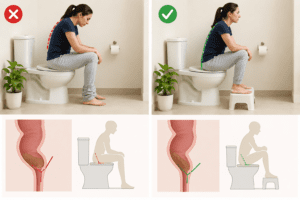
- Best non-supplement aid (toilet posture): Squatty Potty The Original Toilet Stool — straightens the anorectal angle to reduce straining, doctor-recommended, over 55,000 Amazon reviews at 4.6★
How to Soften Stool Naturally
1. Increase Fiber Intake
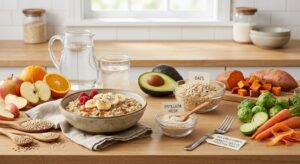
Fiber comes in two broad types that work differently. Soluble fiber, found in oats, psyllium, and many fruits, dissolves in water to form a gel that softens stool. Insoluble fiber, found in wheat bran and vegetable skins, adds bulk and speeds transit but does not soften consistency the same way. For hard, dry stool specifically, soluble fiber tends to be the more reliable choice.
Psyllium husk has the strongest clinical evidence among individual fiber types. An updated 2022 systematic review and meta-analysis of 16 randomized controlled trials in the American Journal of Clinical Nutrition found that fiber supplementation, particularly psyllium, significantly improved treatment response and bowel movement frequency in adults with chronic constipation, with the clearest benefits at doses above 10 grams per day taken for at least four weeks.[1]
The 2023 joint clinical practice guideline from the American Gastroenterological Association and American College of Gastroenterology suggests fiber supplementation over no fiber supplementation for chronic idiopathic constipation, a conditional recommendation based on moderate certainty evidence, distinct from the guideline’s strong recommendation for polyethylene glycol (PEG).[2]
If you are deciding between fiber supplement options or want a closer comparison of common brands, see our guides on natural fiber supplements for chronic constipation and Benefiber vs. Metamucil for constipation, which break down dosing and which type suits faster relief versus daily maintenance.
2. Drink Enough Water
Fiber and fluids work as a pair. Soluble fiber needs adequate water to form the soft gel that eases waste through the colon; without enough fluid, added fiber can actually make stool feel bulkier and harder to pass. The 2023 AGA-ACG guideline includes increased fluid intake among the standard non-pharmacological recommendations for chronic constipation, alongside fiber and exercise.[2]
A reasonable general target for many adults is around 1.5 to 2 liters of fluid per day, depending on body size, activity level, climate, and health conditions, with more needed if you are increasing fiber intake at the same time or live somewhere hot.
Some people find warm water, especially first thing in the morning, more effective at stimulating a bowel movement than cold water, though this specific comparison has not been tested in controlled trials and is based mostly on anecdotal reports. For a deeper look at the research connecting fluid intake and bowel function, see does dehydration cause constipation.
3. Eat Foods That Soften Stool
Certain whole foods support softer bowel movements through more than one mechanism at once: fiber for bulk, natural sugar alcohols like sorbitol for osmotic water retention, and in some cases compounds that support gut motility. Several of these foods have been studied for their effects on constipation and stool consistency.
- Prunes and prune juice. A randomized, placebo-controlled trial published in the American Journal of Gastroenterology found that prune juice containing sorbitol, pectin, and polyphenols improved both subjective symptoms and stool hardness in people with chronic constipation.[3] See our full guides on prune juice for constipation relief and how long prune juice takes to work.
- Kiwi. A comparative-effectiveness trial in patients with chronic constipation found that daily kiwifruit, psyllium, and prunes each increased bowel movement frequency, with prunes showing the largest increase and kiwi associated with the lowest rate of dissatisfaction among the three.[4] Kiwi’s effect is thought to come from a combination of fiber, the enzyme actinidin, and prebiotic activity.
- Pears. High in both fiber and sorbitol, pears work through a mechanism similar to prunes, though with a milder effect.
- Oats. A good source of soluble beta-glucan fiber, which helps support softer consistency gradually with regular intake.
- Chia seeds. When soaked in liquid, chia seeds form a gel similar to psyllium and add both soluble and insoluble fiber.
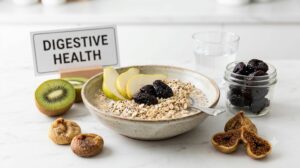
- Dried figs. Figs deliver both soluble and insoluble fiber along with natural sorbitol. Some people notice improvement within one to two weeks of consistent use. Read the full mechanism breakdown in dried figs for constipation.
A note for anyone with IBS-C: sorbitol is a FODMAP compound, so prune juice, pears, and other sorbitol-rich foods can occasionally worsen bloating or cramping in sensitive individuals. Starting with a small amount and monitoring symptoms is a reasonable approach in that case.
For a broader, structured approach to building fiber into meals across a full day, our guide on best fiber foods and fiber therapy for gut health is a useful next read.
4. Try Probiotic Foods
Gut bacteria influence stool water content, colonic motility, and short-chain fatty acid production, all of which affect bowel regularity. Probiotic-rich foods like plain Greek yogurt and kefir introduce live bacterial strains, primarily Lactobacillus and Bifidobacterium species, that some research links to improved bowel frequency.
A 2014 systematic review and meta-analysis in the American Journal of Clinical Nutrition, covering 14 randomized controlled trials and 1,182 adults with functional constipation, found that probiotics reduced whole gut transit time by an average of 12.4 hours and increased stool frequency by about 1.3 bowel movements per week compared to placebo.[6]
The benefit was strain-specific: Bifidobacterium lactis showed a clear, statistically significant increase in stool frequency, while Lactobacillus casei Shirota showed no significant benefit in that analysis. This nuance matters when choosing a probiotic product, since not all strains perform the same way. Results for stool consistency have generally been more modest than for frequency, so probiotics are best viewed as a helpful complement to fiber and hydration rather than a standalone fix.
For strain-specific guidance, see probiotic support for chronic constipation and our 9 best probiotic supplements roundup.
5. Stay Active and Improve Gut Motility
Physical activity stimulates the muscles of the colon and helps move waste along more efficiently. You do not need intense exercise for this effect; a brisk 20 to 30 minute walk most days, or other light activity such as cycling or swimming, has been linked to improved gut motility in research, and increasing physical activity is one of the lifestyle measures Mayo Clinic lists among initial steps for managing constipation.[5]
Gentle, twisting yoga poses, such as a seated spinal twist, knees-to-chest, and wind-relieving pose, are also commonly recommended for stimulating digestion through gentle compression of the colon, and are easy to start with at home even for people with limited mobility.
6. Use Fiber Supplements Carefully
When diet alone is not closing the fiber gap, a supplement can help, but it needs to be introduced carefully. Start with a low dose, such as half a teaspoon to one teaspoon of psyllium husk in a full glass of water, and increase gradually over one to two weeks, adding no more than about 3 to 5 grams per week. Adding too much fiber too quickly is one of the most common reasons people experience bloating, gas, or cramping and give up before the supplement has had a chance to work.
Take fiber supplements with a full glass of water, and continue drinking adequate fluids throughout the day, since fiber without enough water can worsen rather than relieve hardness. Most clinical trials show benefits emerging after four or more weeks of consistent use, not after a single dose. If you are choosing between products, our guide on natural fiber supplements for chronic constipation compares dosing and side effect profiles.
7. Improve Toilet Habits
How and when you respond to the urge to go matters more than most people realize. Delaying a bowel movement allows the colon to continue reabsorbing water from the waste, making it progressively harder the longer it is held. Try to respond to the urge within a few minutes rather than waiting for a more convenient time.
Positioning also plays a role. Using a footstool to raise the knees above hip level, similar to a squatting position, straightens the anorectal angle and can make passing stool noticeably easier, particularly for harder stools. Establishing a consistent daily time to sit, often 15 to 30 minutes after a meal when the gastrocolic reflex is naturally active, can also help train more regular bowel habits over time.
How Long Does It Take to Soften Stool Naturally?
Timelines vary by method and by how long the constipation has been present.
- Fast-acting foods like prune juice or kiwi: some people may notice an effect within a few hours on an empty stomach, while others may need longer, sometimes 6 to 12 hours or up to two days for more stubborn cases.
- Fiber supplements typically take several days to start working and, per the clinical trial evidence, generally need at least 4 weeks of consistent daily use to show their full effect.
- Probiotics are generally evaluated over 2 to 8 weeks in clinical trials, so give a probiotic at least a few weeks before judging whether it is helping.
- Lifestyle changes such as increased hydration, regular exercise, and improved toilet habits tend to show gradual improvement over 1 to 3 weeks of consistent practice.
- Long-standing chronic constipation may take longer to respond, and some people need to combine several of these approaches at once rather than relying on a single change.
Individual results vary considerably based on age, the underlying cause, medication use, and how consistently a method is followed. Being patient with dietary changes, rather than abandoning them after a few days, is one of the most common factors separating people who see lasting improvement from those who do not.
When Should You See a Doctor?
Most hard stool responds to the natural measures above within a few weeks. However, certain symptoms point to something that needs medical evaluation rather than another home remedy. Mayo Clinic advises contacting a healthcare provider if you experience any of the following:[5]
- Blood in the stool or on toilet paper
- Severe or worsening abdominal pain
- Constipation lasting more than three weeks despite consistent dietary and lifestyle changes
- Unexplained weight loss
- No bowel movement for several days accompanied by vomiting or inability to pass gas, which can signal a bowel obstruction and needs urgent care
- A sudden, significant change in bowel habits, especially after age 50
These symptoms can sometimes indicate an underlying condition such as irritable bowel syndrome, hypothyroidism, pelvic floor dysfunction, or, rarely, a colorectal issue, and they warrant a proper evaluation rather than continued self-treatment.
Frequently Asked Questions
What is the fastest way to soften stool?
Among natural options, prune juice and kiwi tend to act on the faster end. Some people may notice an effect within a few hours on an empty stomach, while others may need longer. Warm water and gentle movement can also help on a given day, though lasting improvement depends on consistent fiber and hydration habits rather than a single fast fix.
How can I soften stool overnight?
Some people find that 4 to 8 ounces of prune juice, or warm water with a small amount of psyllium husk, taken before bed with a full glass of water helps. Some people may notice a bowel movement by the next morning, but results vary depending on the cause of constipation and individual response, and it may take a few nights of consistent use before any pattern becomes reliable. Avoid relying on this nightly long-term without also addressing the underlying causes, such as low fiber or fluid intake during the day.
What foods soften stool fast?
Prunes, kiwi, pears, and dried figs are among the most evidence-backed options, largely due to their combination of fiber and natural sorbitol, which draws water into stool.
Does drinking water soften stool?
Yes, generally. Adequate hydration is considered necessary for fiber to work properly and for stool to retain enough water to stay soft. Clinical guidelines list increased fluid intake among first-line recommendations for constipation.
Is fiber good for hard stool?
Soluble fiber in particular is well supported by research for supporting softer stool, with psyllium husk showing the strongest evidence among individual fiber types when taken consistently at adequate doses with enough water.
Can probiotics soften stool?
Some probiotic strains, particularly certain Bifidobacterium and Lactobacillus strains, are linked in research to increased bowel movement frequency, with more modest effects on consistency. The benefit appears to be strain-specific, so results can vary between products, and probiotics tend to work best alongside fiber and hydration rather than alone.
Can hard stool cause bleeding?
It can. Passing very hard stool may cause small tears in the anal lining (anal fissures) or irritate existing hemorrhoids, both of which can lead to streaks of bright red blood on the stool or toilet paper. Occasional light bleeding from straining is common and often resolves as stool softens, but any bleeding should be mentioned to a doctor, especially if it is heavy, persistent, or accompanied by pain, weight loss, or a change in bowel habits, since these can also signal conditions that need direct evaluation.
References
- van der Schoot A, Drysdale C, Whelan K, Dimidi E. The effect of fiber supplementation on chronic constipation in adults: an updated systematic review and meta-analysis of randomized controlled trials. American Journal of Clinical Nutrition, 2022;116(4):953-969. View study
- Chang L, Chey WD, Imdad A, et al. American Gastroenterological Association-American College of Gastroenterology Clinical Practice Guideline: Pharmacological Management of Chronic Idiopathic Constipation. Gastroenterology, 2023;164(7):1086-1106. View study
- Koyama T, Nagata N, Nishiura K, et al. Prune Juice Containing Sorbitol, Pectin, and Polyphenol Ameliorates Subjective Complaints and Hard Feces While Normalizing Stool in Chronic Constipation: A Randomized Placebo-Controlled Trial. American Journal of Gastroenterology, 2022;117:1714-1717. View study
- Chey SW, Chey WD, Jackson K, Eswaran S. Exploratory Comparative Effectiveness Trial of Green Kiwifruit, Psyllium, or Prunes in US Patients With Chronic Constipation. American Journal of Gastroenterology, 2021;116(6):1304-1312. View study
- Mayo Clinic. Constipation: Symptoms and Causes. mayoclinic.org
- Dimidi E, Christodoulides S, Fragkos KC, Scott SM, Whelan K. The effect of probiotics on functional constipation in adults: a systematic review and meta-analysis of randomized controlled trials. American Journal of Clinical Nutrition, 2014;100(4):1075-1084. View study
The information in this article is for educational purposes and is not a substitute for professional medical advice. The natural remedies discussed may not be suitable for everyone, and individual results vary. If you have persistent or severe symptoms, consult a qualified healthcare provider before changing your diet, supplement routine, or laxative use.



[…] to use them safely. If you’re also dealing with hard, difficult-to-pass stools, our guide on how to soften stool naturally pairs well with the strategies […]