

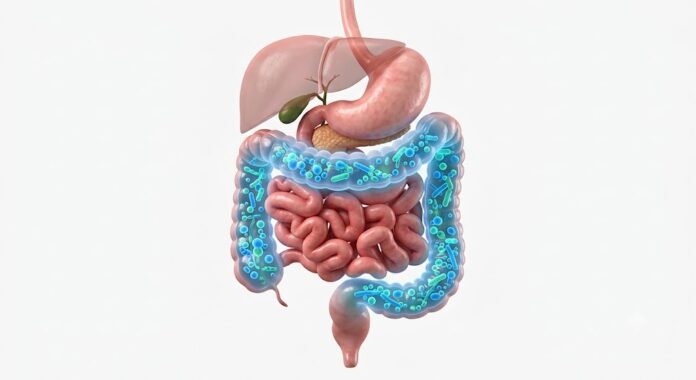
Can gut health affect constipation? Fiber, water, and exercise get most of the credit, and most of the blame, when bowel movements go off track. But there’s a quieter factor working behind the scenes: the trillions of bacteria living in your gut. Over the past decade, researchers have moved from suspecting a link to actually mapping it, comparing the gut bacteria of constipated and non-constipated people and testing specific probiotic strains in clinical trials.
Constipation affects an estimated 10 to 16% of the general population, and even more older adults. Diet, hydration, and inactivity remain the most common causes, but they don’t explain every case, which is part of why gut microbiome research has become so active. This guide covers what gut health means, how your microbiome influences bowel movements, and what the research actually supports.
What Is Gut Health?
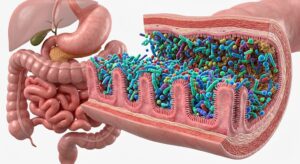
“Gut health” refers to the balance and function of the digestive system. The key player is the gut microbiome: the community of bacteria, fungi, archaea, and other microorganisms that live in your intestines. A healthy gut microbiome is diverse. It hosts many different species of microorganisms that work together to break down food, produce nutrients, and regulate immune function.
When this ecosystem is balanced, digestion tends to run smoothly. When it’s disrupted, a state scientists call dysbiosis, problems like bloating, irregularity, and constipation can follow.
Modern estimates put the number of bacterial cells in the human gut at roughly the same order of magnitude as the number of human cells in the entire body. That gives a sense of just how influential this internal ecosystem can be on overall health.
At a Glance: Best Gut Health Products for Constipation Relief
If your constipation appears linked to gut microbiome imbalance rather than diet alone, here are the most evidence-backed options aligned with the research in this guide:
- Best for the clinically studied BB536 strain: Life Extension Bifido GI Balance (BB536) — contains the exact Bifidobacterium longum BB536 strain tested in randomized controlled trials for chronic constipation, gluten-free, non-GMO, vegetarian, USA-manufactured
- Best high-dose BB536 option: Supersmart Bifidobacterium Longum BB536 — 6 billion CFU per day in delayed-release gastro-resistant capsules, dairy-free, no artificial additives
- Best for Bifidobacterium lactis (second key strain in this guide): Life Extension FLORASSIST Daily Bowel Regularity — contains clinically studied B. lactis HN019, shown to speed colonic transit time by up to 57% in a triple-blind trial, gluten-free, non-GMO
- Best synbiotic (probiotic + prebiotic combined): Seed DS-01 Daily Synbiotic — 24 clinically studied strains plus built-in prebiotic outer capsule, 53.6B AFU, shelf-stable, the synbiotic type the article identifies as most promising
- Best standalone prebiotic (to feed existing gut bacteria): NOW Foods Organic Inulin Powder — 100% pure chicory root inulin, certified organic, non-GMO Project Verified, no additives, start at 2-3g daily and increase gradually
Signs Your Gut Bacteria Might Be Playing a Role
Not every case of constipation is microbiome-driven, but certain patterns can suggest gut bacteria are involved rather than diet or hydration alone:
- Constipation that persists despite adequate fiber and water intake
- Frequent bloating or visible abdominal distension alongside infrequent stools
- Excess gas or bloating, especially when symptoms persist despite dietary changes
- Constipation that developed or worsened after a course of antibiotics
- Alternating constipation and loose stools (sometimes seen in IBS-related dysbiosis)
- Symptoms that improve temporarily with dietary changes but return quickly
None of these signs confirm a microbiome problem on their own, and they can overlap with several other digestive conditions. They’re worth mentioning to a doctor, though, since they can help guide whether testing for bacterial or archaeal overgrowth makes sense.
How Does Gut Health Affect Bowel Movements?
Your gut bacteria don’t just sit passively in your intestines. They actively participate in digestion. Here’s how they influence bowel regularity:
- Fermenting fiber into short-chain fatty acids (SCFAs). Beneficial bacteria break down fiber into compounds like acetate, propionate, and butyrate. These feed the cells lining your colon and support healthy motility.
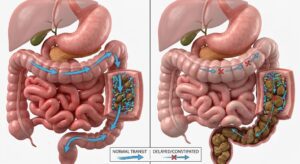
- Regulating gut transit time. Certain bacterial groups are linked to slower or faster stool movement. Patients with functional constipation often show a distinct microbiome pattern compared to people with regular bowel movements.
- Influencing the gut-brain connection. The gut and brain communicate through the brain-gut-microbiota axis, a two-way signaling network involving the vagus nerve, immune messengers, and microbial metabolites. Stress can worsen constipation through this pathway.
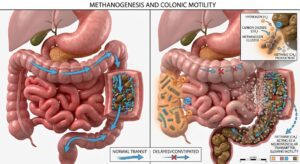
- Producing gas and methane. Some gut microorganisms are archaea, not bacteria. The most common, Methanobrevibacter smithii, converts hydrogen into methane. Higher methane levels are linked to slower colon transit and constipation.
Can Bad Gut Bacteria (or Archaea) Cause Constipation?
Emerging research suggests yes. An imbalance in gut microorganisms may be a direct contributor to constipation, not just a side effect of it.
A study analyzing stool samples from people with functional constipation found measurable differences in bacterial composition compared to healthy individuals. Separately, researchers at Cedars-Sinai have studied a condition called intestinal methanogen overgrowth (IMO): an excessive presence of methane-producing archaea (a gut-produced gas) in the gut. A systematic review and meta-analysis by the Cedars-Sinai GI Motility Program, published in Clinical Gastroenterology and Hepatology, found that patients with IMO were significantly more likely to experience constipation, particularly severe constipation, and less likely to experience unresolved diarrhea. Methane itself appears to slow intestinal transit directly by affecting smooth muscle contractions in the gut wall, rather than simply being a byproduct of slow transit.
This doesn’t mean archaea(microorganisms that produce methane) or “bad” bacteria are the sole cause of constipation. The condition is usually multifactorial, involving diet, hydration, physical activity, medications, and underlying health conditions. But it does mean that gut microorganisms are an active player, not just a bystander, in how regularly you go. For people with constipation that doesn’t respond to standard dietary changes, some gastroenterologists now use breath testing to check for elevated methane levels as part of the diagnostic workup. Breath testing is not recommended for everyone with constipation, though, and results should be interpreted by a healthcare professional.
Can Gut Health Affect Constipation? What the Research Shows
Pulling the human research together, a few patterns show up consistently across studies. A 2024 review in the Postgraduate Medical Journal summarized a growing body of evidence linking altered gut microbiota composition to chronic constipation, though the authors note that findings vary between studies depending on population, diagnostic criteria, and testing methods. Broader reviews of the mechanisms involved describe changes in bacterial fermentation byproducts and bile acid handling as plausible contributors, rather than a single “constipation bacteria” that explains every case.
The clearest, most reproducible finding so far involves methane-producing archaea(gut microbes that make methane gas) rather than bacteria. The Cedars-Sinai systematic review found a consistent association between intestinal methanogen overgrowth and constipation severity across multiple studies, which is one reason this area has attracted more clinical attention than broader microbiome-diversity claims.
On the dietary side, the NHANES-based dietary index for gut microbiota study is a large, population-level analysis, which is a strength, but it’s cross-sectional. That means it can show an association between diet and constipation risk, not prove that eating specific foods directly changes bowel habits for a given person.
Taken together, the research supports a real but modest connection: gut microbiome composition appears to be one contributing factor among several, most clearly demonstrated for methane-producing archaea, with probiotic and dietary interventions showing measurable but strain-specific and often partial benefits rather than dramatic across-the-board fixes.
The Role of Gut Microbiome in Digestion
- Nutrient breakdown and absorption. Gut bacteria help digest complex carbohydrates and fibers your body can’t break down on its own.
- Bile acid metabolism. Bacteria help metabolize bile acids, which affect fluid secretion and stimulate colonic motility. Research on fecal microbiota transplantation shows that restoring microbial balance can improve the gut microbiome–bile acid–receptor axis (via FXR and TGR5 signaling) and increase bowel movement frequency in some patients.
- Immune regulation. A healthy microbiome helps regulate immune responses and reduce chronic low-grade inflammation.
- Gut motility signaling. Bacterial metabolites interact with receptors on smooth muscle and nerve cells, helping regulate transit speed.
Can Probiotics Help Constipation?
This is one of the most researched questions in gut health. The evidence is moderately encouraging, though results vary by strain and by which outcome you’re measuring.
Start with Bifidobacterium longum BB536. A randomized, double-blind, placebo-controlled crossover trial in 24 adults who tended toward constipation found that BB536 supplementation increased bowel movement frequency. Follow-up analysis went a step further: it identified specific microbiome and metabolome markers that predicted which individuals responded best to the strain.
A separate randomized controlled trial tested BB536 in 80 elderly patients with chronic constipation over 4 weeks. Here the results were more mixed. The probiotic group showed significant improvement in constipation scores from baseline, and bowel movement frequency did improve. But the difference compared to placebo did not reach statistical significance overall. This is a useful reminder: probiotic benefits can be real but modest, and not every outcome measure responds equally.
Next is Bifidobacterium bifidum CCFM16, tested in a randomized, double-blind, placebo-controlled trial with 103 adults with chronic constipation. It improved stool consistency and increased the proportion of people who achieved regular spontaneous bowel movements. The mechanism appears to involve increased acetic and butyric acid production, along with an improved Firmicutes/Bacteroidetes ratio. One caveat worth noting: this same trial did not find a significant improvement in constipation-specific quality-of-life scores compared to placebo. Stool frequency and lived symptom burden don’t always move together.
The takeaway is simple: strain, dosage, and individual gut composition all matter. Results from one strain don’t necessarily apply to another, even within the same bacterial species. For a deeper look at which strains have the most evidence, see our guide on probiotics and chronic constipation,Probiotic Strains,Probiotics Help Constipation? and our best probiotic supplements roundup for specific product options.
What About Prebiotics and Synbiotics?
Probiotics get most of the attention, but they’re only half of the picture. Prebiotics are non-digestible fibers, such as inulin, fructooligosaccharides (FOS), and galactooligosaccharides (GOS). Rather than introducing new strains, they feed the beneficial bacteria already living in your gut.
Several randomized trials have combined a probiotic strain with a prebiotic fiber in what’s called a “synbiotic” approach. These trials have found meaningful increases in stool frequency, and some also show improvements in abdominal pain and constipation symptom scores.
The theoretical advantage is straightforward: the prebiotic gives the probiotic strain something to feed on right after it reaches the colon. This is still an active research area. Not every synbiotic combination has been tested in humans, so it’s worth looking for products with actual clinical trial data behind the specific combination rather than the general category.
Foods That Support Gut Health
You don’t need supplements to start supporting your gut microbiome. Diet is one of the most powerful levers you have. A large NHANES-based study using a “dietary index for gut microbiota” (DI-GM) found that higher intake of ten specific foods was associated with a lower likelihood of constipation:
- Fiber-rich whole grains, legumes (including chickpeas), and vegetables (including broccoli)
- Fermented dairy, such as yogurt and kefir
- Cranberries and avocados
- Coffee and green tea (individual tolerance varies, and excessive caffeine may worsen symptoms in some people)
- Soybean-based foods
The same research linked red meat, processed meat, refined grains, and high-fat foods to a less favorable gut microbiota index.
Beyond the foods tracked in that specific index, garlic, onions, and leeks are well-established natural sources of inulin, a well-studied prebiotic fiber. Slightly underripe bananas contain resistant starch, which ferments slowly in the colon. Both are reasonable additions to a gut-supportive diet, even though they weren’t part of the DI-GM scoring system itself. For a deeper list of specific foods to prioritize, see our guide on fiber foods for gut health.
How to Improve Gut Health Naturally
- Increase fiber gradually. Mix soluble and insoluble fiber from whole foods, and add it slowly to avoid bloating.
- Stay consistently hydrated. Water helps fiber do its job. Our guide on how to soften stool naturally covers more hydration and lifestyle strategies.
- Add fermented foods. Yogurt, kefir, sauerkraut, and kimchi introduce beneficial live bacteria.
- Include prebiotic foods alongside probiotics. Garlic, onions, leeks, and slightly underripe bananas help feed beneficial bacteria.
- Consider a targeted probiotic. Strains like Bifidobacterium longum BB536 and Bifidobacterium bifidum CCFM16 have specific clinical trial evidence behind them, even if effects are modest on some outcome measures.
- Move your body regularly. Physical activity supports gut motility.
- Manage stress. Chronic stress can directly affect gut motility through the brain-gut-microbiota axis.
- Limit unnecessary antibiotic use. Antibiotics can disrupt microbial diversity for weeks to months.
- Be mindful with supplements. See our guide to the best supplements for regular bowel movements for fiber, probiotic, and magnesium-based options.
When to See a Doctor
- Constipation lasting longer than three weeks despite consistent fiber, water, and activity changes
- Blood in the stool, unexplained weight loss, or persistent abdominal pain
- Constipation that started suddenly after age 50 with no clear cause
- Severe bloating alongside constipation, which can sometimes point to conditions like IMO or SIBO
A doctor can determine whether breath testing, stool analysis, or other diagnostic tools are appropriate, since self-diagnosing a microbiome imbalance isn’t reliable without testing.
Frequently Asked Questions
Can an imbalanced gut microbiome cause constipation on its own?
It can be a contributing factor, especially in cases involving excess methane-producing archaea, but constipation is usually multifactorial.
How long does it take to improve gut health for constipation relief?
Clinical trials on probiotic strains generally show measurable improvements within two to four weeks of consistent use, though individual responses vary. Not every improvement shows up equally across all measures, like stool frequency versus quality of life.
Do I need a probiotic supplement, or can food alone fix gut-related constipation?
Fermented and prebiotic-rich foods meaningfully support gut health, but the clinical trials showing benefit used defined doses of specific studied strains, which is difficult to replicate through diet alone.
Is methane gas from gut archaea something I should worry about?
Occasional gas is normal. Persistent, severe bloating combined with chronic constipation is worth discussing with a doctor, since it can indicate intestinal methanogen overgrowth.
The Bottom Line
Gut health and constipation are more connected than most people realize. Your gut microbiome, including both bacteria and methane-producing archaea, influences everything from stool consistency to how quickly waste moves through your colon. The encouraging part is that gut health often improves with targeted dietary and lifestyle changes, although responses vary between individuals. It’s worth keeping expectations realistic, too: probiotic and dietary interventions in clinical trials tend to produce real but modest, strain-specific improvements rather than dramatic fixes.
If constipation persists despite dietary and lifestyle changes, talk to a healthcare provider, since persistent symptoms can sometimes point to an underlying condition that needs its own evaluation.
References
- Xu, X., Wang, Y., Long, Y., & Cheng, Y. (2024). Chronic constipation and gut microbiota: current research insights and therapeutic implications. Postgraduate Medical Journal, 100(1190), 890–897. Link
- Cedars-Sinai Newsroom. (2024). Gut Microorganism May Play a Role in Constipation. Link
- Symptom Profile of Patients With Intestinal Methanogen Overgrowth: A Systematic Review and Meta-analysis. Clinical Gastroenterology and Hepatology. Link
- Nakamura, Y., et al. (2022). Integrated gut microbiome and metabolome analyses identified fecal biomarkers for bowel movement regulation by Bifidobacterium longum BB536 supplementation: A RCT. Computational and Structural Biotechnology Journal. Link
- Takeda, T., Asaoka, D., Nojiri, S., et al. (2023). Usefulness of Bifidobacterium longum BB536 in Elderly Individuals With Chronic Constipation: A Randomized Controlled Trial. American Journal of Gastroenterology, 118(3), 561–568. Link
- Wang, L., et al. (2022). A randomised, double-blind, placebo-controlled trial of Bifidobacterium bifidum CCFM16 for manipulation of the gut microbiota and relief from chronic constipation. Food & Function, 13(3), 1628–1640. Link
- Roles of Gut Microbiota and Metabolites in Pathogenesis of Functional Constipation. PMC. Link
- Zhang, Z., Bi, C., Wu, R., & Qu, M. (2025). Association of the newly proposed dietary index for gut microbiota and constipation: a cross-sectional study from NHANES. Frontiers in Nutrition. Link
- Wen, D., et al. (2026). Fecal microbiota transplantation improves functional constipation through the gut microbiome–bile acid–receptor axis. Frontiers in Medicine. Link
- Microbiota treatment of functional constipation: Current status and future prospects. PMC. Link
This article is for general educational purposes and is not a substitute for personalized medical advice. If constipation is severe, persistent, or accompanied by warning signs such as rectal bleeding, unintended weight loss, or severe abdominal pain, please consult a healthcare provider.
Affiliate Disclosure: This article contains affiliate links. If you purchase through our links, we may earn a small commission at no extra cost to you. Our editorial recommendations are based on research and are never influenced by affiliate relationships.





[…] also worth ruling out contributing factors before relying on any laxative long-term. Our guides on how gut health affects constipation and best supplements for regular bowel movements cover complementary, non-laxative […]