

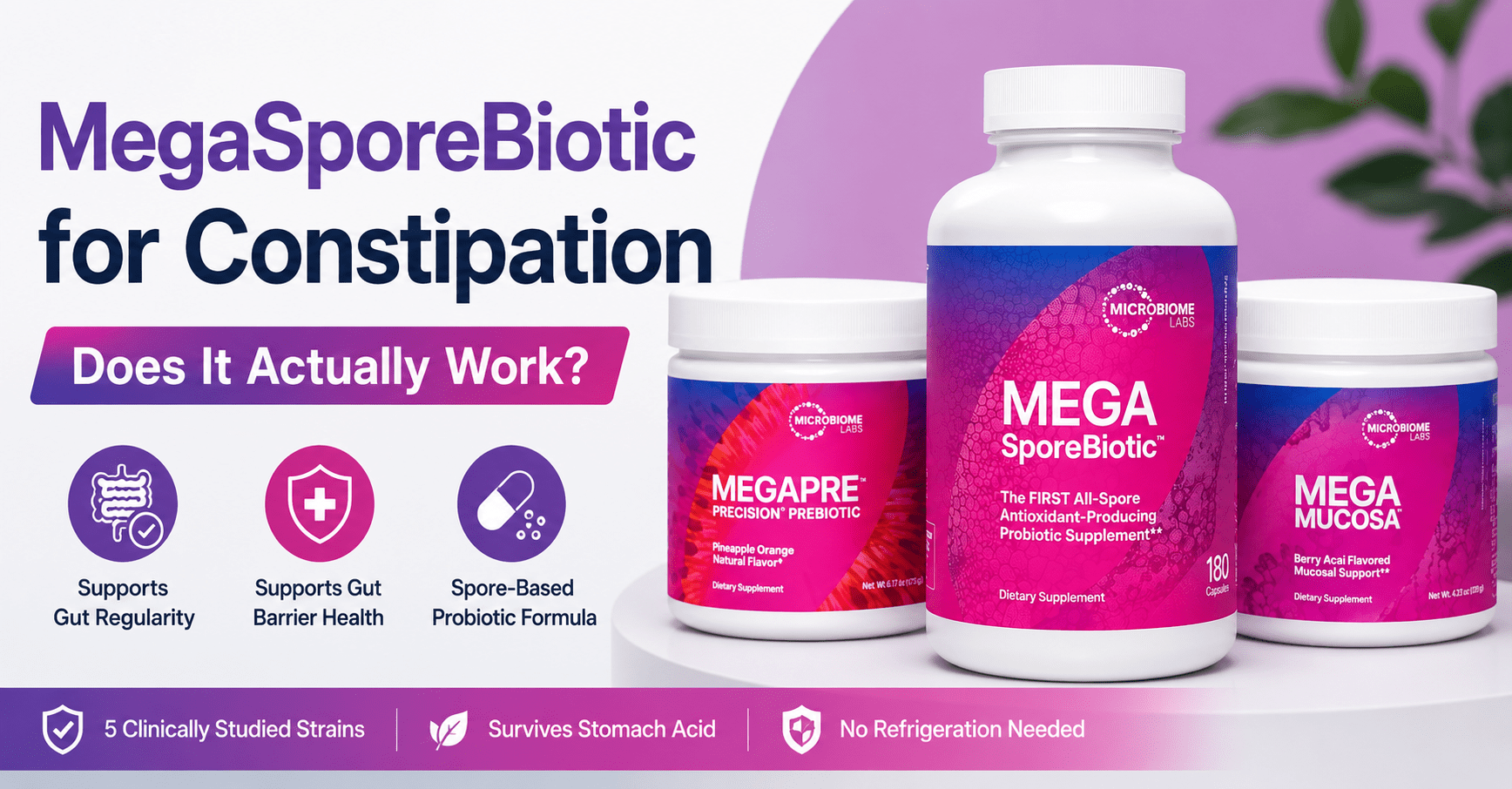
If you have tried multiple probiotics for constipation with little improvement, that experience is more common than most people realize. Some conventional probiotic strains may have limited survival through stomach acid, depending on the strain and delivery system — which means fewer live bacteria reach the colon where they are needed. That is where MegaSporeBiotic for constipation enters the conversation.
MegaSporeBiotic is a spore-based probiotic made by Microbiome Labs, formulated to better survive stomach acid compared with many traditional probiotics. But does it actually help with constipation? What does the science really say?
In this evidence-based review, we cover exactly how MegaSporeBiotic works, which clinical studies support its use, what you can realistically expect, and who is most likely to benefit — including an honest look at its limitations.
📋 How We Reviewed This EvidenceThis article draws on four peer-reviewed human clinical studies retrieved from PubMed and PMC. Each study is cited with its PubMed ID (PMID) and DOI for independent verification. We assessed each study for design quality (randomization, blinding, sample size), and explicitly noted where evidence is indirect, limited by methodology, or derived from a different strain than the one in MegaSporeBiotic.
We do not consider manufacturer-provided data, testimonials, or animal studies as primary evidence. Where clinical limitations exist, they are disclosed in the text. This article was last reviewed on May 13, 2026.
⚡ Key Takeaways
-
What the evidence supports: A published 30-day RCT found MegaSporeBiotic reduced post-meal endotoxin levels by 42%, suggesting potential improvements in intestinal barrier function. A related Bacillus coagulans strain improved colon transit time in a separate constipation trial.
-
What it does not yet prove: No large-scale clinical trial has tested MegaSporeBiotic specifically for chronic functional constipation as the primary outcome.
-
Who may benefit most: People with IBS-C, a history of SIBO, or constipation unresponsive to fiber, magnesium, or standard probiotics.
-
Realistic timeline: Most users report changes in bowel habits within 2–4 weeks; full benefit typically requires 6–8 weeks of consistent use.
-
Bottom line: A mechanistically sound option with genuine clinical backing — but not a laxative, and not effective for everyone.
What Is MegaSporeBiotic?
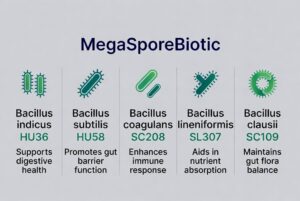
MegaSporeBiotic is a probiotic supplement made by Microbiome Labs, a US-based company co-founded by microbiologist Kiran Krishnan and Dr. Tom Bayne in 2012. What separates it from nearly every other probiotic on the market is that it contains only spore-forming bacteria — five specific strains from the Bacillus genus.
The 5 Strains in MegaSporeBiotic
| Strain | Primary Role in the Gut |
|---|---|
| Bacillus indicus HU36 | Produces carotenoid antioxidants directly in the gut; associated with gut barrier support |
| Bacillus subtilis HU58 | Produces natural antimicrobial compounds; stimulates gut-associated immune tissue (GALT) |
| Bacillus coagulans SC208 | One of the more extensively studied Bacillus probiotic species; linked to improved bowel regularity and IBS symptom reduction in published trials |
| Bacillus licheniformis SL307 | Produces protease enzymes; supports protein digestion and nutrient absorption |
| Bacillus clausii SC109 | Widely used in Europe post-antibiotic; well adapted to survive challenging gut conditions |
Total potency: 4 billion CFU (colony-forming units) per capsule. No refrigeration required. Manufacturer-reported shelf life: 5 years.
Why Spore-Based Probiotics Are Different
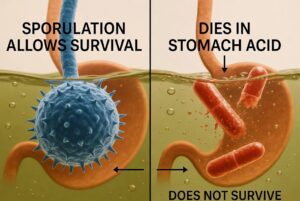
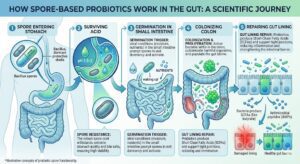
Each Bacillus bacterium forms a tough protective outer shell called an endospore. This shell protects the bacterium from stomach acid, bile salts, heat, and even antibiotic exposure. Standard probiotics — such as Lactobacillus acidophilus or Bifidobacterium longum — are fragile in comparison. Some research suggests that a significant proportion of cells in many conventional probiotic formulas may not survive passage through stomach acid to reach the colon intact, though survival rates vary considerably by strain, formulation, and delivery method.
Bacillus spores arrive in the gut largely undamaged. Once they reach the small intestine and colon, they germinate, become active bacteria, and begin supporting the gut lining, interacting with existing microbial populations in the gut, and stimulating immune cells in the gut wall.
This survivability advantage may be one reason some integrative practitioners consider spore-based probiotics when traditional probiotics have not produced noticeable results.
How MegaSporeBiotic May Help with Constipation
MegaSporeBiotic is not a laxative. It does not push stool through the colon the way magnesium oxide or senna does. Instead, it targets several of the underlying reasons the gut becomes sluggish in the first place.
1. Supporting Intestinal Permeability and Gut Barrier Function
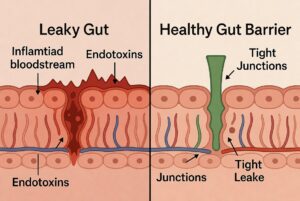
Some research suggests that increased intestinal permeability — sometimes informally referred to as “leaky gut” — may contribute to digestive symptoms in some individuals, including changes in gut motility. When the intestinal barrier becomes compromised, low-grade inflammatory activity may increase, which in some cases has been associated with alterations in normal intestinal movement and bowel function.
A published 30-day randomized controlled trial found that participants taking MegaSporeBiotic experienced a significant reduction in post-meal endotoxin levels compared with placebo, while the placebo group showed an increase over the same period. Endotoxins are fragments from certain gut bacteria that can enter the bloodstream when intestinal barrier function is compromised. Lower post-meal endotoxin levels may be associated with reduced inflammatory activity and improved gut health markers, and may support healthier gut motility in some individuals. However, bowel movement frequency was not directly measured in this study.
2. Rebuilding Microbiome Diversity
A healthy gut microbiome produces short-chain fatty acids (SCFAs) — particularly butyrate — that nourish the colon lining and help regulate bowel movement frequency. Dysbiosis (an imbalanced microbiome) is a recognized driver of constipation. Some Bacillus-based probiotics have been associated with shifts in microbiome composition and increased abundance of beneficial bacteria in small human studies, which may support improved gut motility.
3. Improving Bowel Movement Frequency and Colon Transit Time
Research specifically on spore-forming Bacillus coagulans — one of MegaSporeBiotic’s five strains — suggests it may support improved colon transit time, increased complete spontaneous bowel movements, and reduced bowel discomfort in some adults with mild intermittent constipation. We cover this study in full in the next section.
4. Potential Role in IBS-Related Constipation
IBS-C (constipation-predominant IBS) is one of the most common causes of chronic constipation. A clinical trial using MegaSporeBiotic in IBS patients found it may support bowel symptom improvement at a level comparable to antibiotic-based treatment, with quality-of-life measures favoring the probiotic group. Important note: This study enrolled IBS patients without constipation as their primary complaint — so it does not directly establish that MegaSporeBiotic improves IBS-C symptoms. The findings are suggestive but should not be extrapolated beyond the studied population.
If you have tried fiber and probiotics without results, our article on why fiber is not working for your constipation explains how microbiome dysfunction can block fiber from working — and what to do about it.
Scientific Evidence & Studies
Unlike many supplement brands that cite vague or animal-only research, MegaSporeBiotic has a small but genuine body of published human clinical evidence. Here is what that evidence actually shows — and where the gaps remain.
Study 1: Intestinal Permeability & Endotoxin Reduction
Citation: McFarlin BK, Henning AL, Bowman EM, Gary MA, Carbajal KM. “Oral spore-based probiotic supplementation was associated with reduced incidence of post-prandial dietary endotoxin, triglycerides, and disease risk biomarkers.” World J Gastrointest Pathophysiol. 2017;8(3):117–126. DOI: 10.4291/wjgp.v8.i3.117 | PMID: 28868181.
Design: Randomized, placebo-controlled trial. 75 apparently healthy adults were screened for dietary endotoxemia. The 28 who showed a 5-fold or greater post-meal rise in blood endotoxin were randomized to receive MegaSporeBiotic (all 5 strains, 4 billion CFU) or placebo (rice flour) for 30 days.
Key results in the MegaSporeBiotic group:
- 42% reduction in post-meal blood endotoxin levels
- 24% reduction in post-meal triglycerides
- Significant reductions in inflammatory markers IL-12p70 and IL-1β
- Lower ghrelin (hunger hormone) compared to placebo
What this means for constipation: Chronic gut inflammation associated with elevated post-meal endotoxin levels may affect the nerve signals that coordinate intestinal contractions. By supporting intestinal barrier integrity and reducing systemic inflammation, MegaSporeBiotic may help support healthier gut motility in some individuals. Bowel movement frequency was not directly measured in this study.
Study 2: IBS Symptom Management
Citation: Gheorghe C, Bacalbașa N, Gheorghe A, Diculescu M, Seicean A. “Bacillus spp. Spores — A Promising Treatment Option for Patients with Irritable Bowel Syndrome.” Nutrients. 2019;11(9):1968. DOI: 10.3390/nu11091968 | PMID: 31438618.
Design: Prospective, randomized clinical study. 90 IBS patients (without constipation as their primary symptom) were split into three groups: (G1) rifaximin antibiotic for 10 days then nutraceutical; (G2) MegaSporeBiotic for 34 days; (G3) rifaximin for 10 days then low-FODMAP diet. Follow-up at 60 days.
Key results: MegaSporeBiotic produced IBS severity scores comparable to antibiotic-based treatment groups, with significantly better quality-of-life improvements across measured parameters.
Important limitation: This study was not blinded or placebo-controlled — a significant weakness in IBS research where placebo response rates can reach 40–50%. The enrolled patients also did not have constipation as their primary complaint. These results are supportive but cannot be directly extrapolated to chronic functional constipation.
Study 3: Bacillus coagulans Improves Colon Transit and Bowel Movements
Citation: Jang HM, Han SK, Kim JK, Oh S, Jang HB, Kim DH. “Spore-forming Bacillus coagulans SNZ 1969 improved intestinal motility and constipation perception mediated by microbial alterations in healthy adults with mild intermittent constipation: A randomized controlled trial.” Food Funct. 2021;12(12):5501–5512. DOI: 10.1039/D1FO00128K | PMID: 34119240.
Design: Randomized, placebo-controlled trial in adults with mild intermittent constipation and habitually low fruit and vegetable intake.
Key results:
- Significantly improved colon transit time (CTT) — stool moved through the colon faster (p = 0.031)
- Increased complete spontaneous bowel movements (CSBM) at weeks 2 and 9
- Reduced bowel discomfort scores at weeks 3 and 6
- Mechanism: enrichment of beneficial Lactobacillales and reduction of Synergistales in the gut microbiome
Critical strain note: This study used Bacillus coagulans SNZ 1969. MegaSporeBiotic contains Bacillus coagulans SC208 — a different strain of the same species. The results provide directional evidence that spore-forming B. coagulans can improve constipation, but cannot be treated as proof that SC208 in MegaSporeBiotic produces the same results. A standalone constipation RCT for SC208 has not yet been published.
Study 4: Bacillus coagulans Reduces IBS Pain and Bloating
Citation: Dolin BJ. “Effects of a proprietary Bacillus coagulans preparation on symptoms of diarrhea-predominant irritable bowel syndrome.” Methods Find Exp Clin Pharmacol. 2009;31(10):655–659. DOI: 10.1358/mf.2009.31.10.1441078 | PMID: 19332970.
This randomized, double-blind, placebo-controlled trial found that Bacillus coagulans GBI-30, 6086 significantly reduced abdominal pain and bloating at all 7 weekly assessments over 8 weeks (P < 0.01 at each timepoint). While a different B. coagulans strain was used and the focus was diarrhea-predominant IBS, the study adds further evidence that spore-forming B. coagulans species benefit gut symptom control broadly.
To see how different probiotic strains compare for constipation, read our probiotic strain comparison for constipation and bloating (2026).
Honest Summary: What the Evidence Does and Does Not Show
| Claim | Evidence Level |
|---|---|
| Supports gut lining integrity (reduces intestinal permeability) within 30 days | ✅ Strong — published RCT (PMID: 28868181) |
| Reduces IBS symptom severity | ⚠️ Moderate — published study with methodological limitations (PMID: 31438618) |
| Improves colon transit time and bowel frequency | ⚠️ Indirect — via a related B. coagulans strain, not SC208 specifically (PMID: 34119240) |
| Directly treats chronic functional constipation | ❌ No standalone RCT yet using MegaSporeBiotic as finished product |
Pros and Cons of MegaSporeBiotic for Constipation
Pros
- Survives stomach acid — Bacillus endospores reach the colon alive, unlike most traditional probiotics
- Backed by published human clinical trials — not just in vitro or animal studies
- Published RCT evidence for gut lining support — 42% reduction in endotoxin markers within 30 days in a randomized trial
- May remain more stable during antibiotic use due to the protective spore shell
- No refrigeration required — 5-year shelf life; convenient for travel
- Five broad-spectrum strains — each targeting a different aspect of gut function
- Supports gut immune tissue (GALT) — via Bacillus subtilis HU58 stimulation of Peyer’s patches and toll-like receptors
Cons and Limitations
- No large-scale constipation-specific RCT — most published evidence covers IBS generally or gut permeability
- Constipation evidence uses a different B. coagulans strain (SNZ 1969, not SC208 — different strain, same species)
- Individual results vary considerably — some people see dramatic improvements, others notice little change
- Initial adjustment symptoms — temporary bloating, gas, or worsening constipation in weeks 1–2 is common
- Higher price point — approximately $55–$75 for a 60-capsule bottle (30-day supply at 2 caps/day)
- Slow timeline — unlike a laxative, this requires a 4–8 week commitment to see results
How to Take MegaSporeBiotic (Dosage & Protocol)
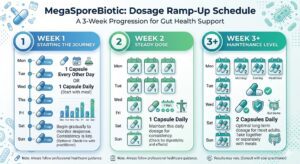
Microbiome Labs recommends a gradual ramp-up approach to allow the gut microbiome to adjust to the incoming spores. Starting too fast is the most common reason people experience uncomfortable early side effects.
Recommended Ramp-Up Schedule
| Week | Dose | Timing |
|---|---|---|
| Week 1 | 1 capsule every other day or 1 capsule daily | With a meal (preferably containing some fat) |
| Week 2 | 1 capsule daily | With a meal |
| Week 3 onward | 2 capsules daily (full maintenance dose) | With a meal |
Tip: Taking MegaSporeBiotic with food — particularly a meal containing some healthy fat — is believed to improve spore germination in the small intestine. Never take on an empty stomach during the early weeks.
Optional Stacking (Practitioner-Recommended)
- MegaPre (Microbiome Labs) — prebiotic fiber that feeds the beneficial bacteria MegaSporeBiotic establishes in the gut
- MegaMucosa (Microbiome Labs) — directly supports the mucus layer of the intestinal wall, complementing barrier-repair effects
If you are also using magnesium to manage constipation, our evidence review of magnesium forms for constipation covers which types work best alongside a gut-support protocol.
Potential Side Effects of MegaSporeBiotic
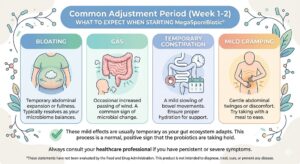
MegaSporeBiotic is generally considered safe for healthy adults. However, because its spore bacteria actively interact with and gradually displace existing gut microbes, most users go through an adjustment period that can produce noticeable symptoms.
Common Early Side Effects (Weeks 1–2)
- Bloating and gas
- Loose stools or mild diarrhea
- Temporary worsening of constipation (as the microbiome reorganizes)
- Mild abdominal cramping
- Fatigue or mild brain fog (less common)
Some practitioners attribute these temporary symptoms to shifts in gut microbiome composition as the probiotic begins interacting with existing gut bacteria — sometimes described informally as a “die-off” or adjustment reaction. It is worth noting that strong clinical evidence specifically confirming a die-off reaction from probiotics remains limited; the exact mechanism behind these early symptoms is not yet fully established. For most people, whatever the cause, these symptoms resolve within 7 to 14 days.
How to Minimize Side Effects
- Start every other day and ramp up slowly per the schedule above
- Always take with a meal — never on an empty stomach
- Drink at least 8 glasses of water daily throughout the protocol
- If symptoms are severe, drop back to every-other-day dosing until comfortable, then increase again
When to Stop and Consult a Doctor
Discontinue and see a physician if you experience: severe or worsening abdominal pain, blood in stool, persistent vomiting, or symptoms that do not improve after two full weeks on a low starting dose.
Special populations requiring physician consultation first: Immunocompromised individuals (on chemotherapy, immunosuppressants, with HIV/AIDS, or post-organ transplant); those with a diagnosed inflammatory bowel disease (Crohn’s or ulcerative colitis); pregnant or breastfeeding women.
MegaSporeBiotic vs Just Thrive vs Traditional Probiotics for Constipation
MegaSporeBiotic vs Just Thrive: Key Differences Explained
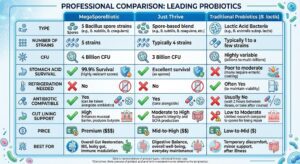
Just Thrive Probiotic shares four of MegaSporeBiotic’s five strains: B. indicus HU36, B. subtilis HU58, B. coagulans SC208, and B. clausii SC109. The one strain absent from Just Thrive is Bacillus licheniformis SL307. Just Thrive delivers 3 billion CFU per capsule versus MegaSporeBiotic’s 4 billion, and it is sold more widely in retail stores. The published clinical studies — the intestinal permeability RCT (PMID: 28868181) and the IBS study (PMID: 31438618) — both used MegaSporeBiotic as the test product, not Just Thrive. So from a research-evidence standpoint, MegaSporeBiotic has more direct clinical backing at this time.
| Feature | MegaSporeBiotic | Just Thrive | Traditional Probiotic (e.g., B. lactis) |
|---|---|---|---|
| Type | 100% spore-based (Bacillus) | 100% spore-based (Bacillus) | Non-spore (Lactobacillus / Bifidobacterium) |
| Number of strains | 5 | 4 (no B. licheniformis) | Varies widely |
| CFU per capsule | 4 billion | 3 billion | 1–50 billion (varies) |
| Stomach acid survival | ✅ High — spore shell protects | ✅ High — spore shell protects | ⚠️ Lower survival compared with spore-based strains, depending on formulation and delivery system |
| Refrigeration needed | ✅ No — 5-year shelf life | ✅ No — shelf stable | ⚠️ Often yes |
| Antibiotic compatible | ✅ Yes | ✅ Yes | ❌ No — most strains killed |
| Gut lining support (clinical evidence) | ✅ Published RCT (PMID: 28868181) | ⚠️ Shares strains; no standalone trial | ⚠️ Strain-dependent; limited evidence |
| Direct constipation evidence | ⚠️ Indirect — via related B. coagulans SNZ 1969 (PMID: 34119240) | ⚠️ Same indirect path; no standalone trial | Certain Bifidobacterium lactis strains currently have more direct constipation-specific clinical evidence |
| Where to buy | Practitioner channel, authorized online retailers, Amazon | Retail stores, Amazon, direct website | Pharmacies, grocery stores, Amazon |
| Approx. price (30-day supply) | $55–$75 | $45–$60 | $15–$40 |
| Best suited for | Chronic constipation + IBS, increased intestinal permeability, SIBO history, post-antibiotic gut restoration | Same as MegaSporeBiotic; more accessible, lower cost | Mild occasional constipation; general gut maintenance |
Bottom line: If you have tried standard probiotics without improvement, both MegaSporeBiotic and Just Thrive offer a mechanistically different approach. MegaSporeBiotic edges ahead on research support; Just Thrive wins on accessibility and price. If you are new to probiotics, a well-researched traditional option with Bifidobacterium lactis is a less expensive first step.
Our complete evidence-based comparison: spore vs traditional probiotics for constipation and bloating — 2026 research review.
Also worth reading: Does L. Reuteri Help Constipation and Bloating? — another commonly compared probiotic strain.
What Real Users Are Saying About MegaSporeBiotic for Constipation
User experiences with MegaSporeBiotic for constipation are genuinely mixed. We present this honestly rather than selecting only positive testimonials.
Positive Experiences
These experiences are anecdotal and do not represent guaranteed outcomes. Individual responses vary considerably.
Users who tend to see the strongest results are those with IBS-C, a history of SIBO, or long-standing constipation unresponsive to fiber or standard probiotics. Common themes include:
- “Finally going every morning for the first time in years”
- “Bloating and the feeling of incomplete emptying disappeared around week 4”
- “The adjustment in week 1 was intense, but by week 6 my gut felt completely different”
- “Nothing else worked — this actually did”
Neutral or Mixed Experiences
- Some report clear improvements in bloating and gas, but only modest changes in bowel movement frequency
- A subset experience significant initial worsening of constipation during adjustment and stop before the benefits begin
- Some notice broader wellbeing improvements (energy, skin, mental clarity) without dramatic changes to constipation specifically
Negative Experiences
- Users expecting laxative-speed results were disappointed — MegaSporeBiotic operates on a longer timeline
- Some with very sensitive guts could not tolerate the adjustment period, even at the lowest starting dose
- Price is a recurring complaint from those who did not see clear benefits after a full 4–6 week trial
The pattern that emerges: MegaSporeBiotic tends to work best for people who commit to the ramp-up protocol, give it at least 6 weeks, drink enough water, and eat a diet with adequate prebiotic fiber. Many people who stopped at week 2 due to initial side effects never reached the window where the real benefits typically appear.
For a real-world example of overcoming 12 years of chronic constipation with a probiotic protocol: After 12 Years of Chronic Constipation, a Probiotic Brought Relief — What the Research Says.
Also see: When Fiber and Probiotics Are Not Working for Constipation: Sarah’s 5-Year Relief Story.
Buying Guide: Where to Get MegaSporeBiotic & What to Avoid
Authorized Purchase Channels
- Microbiome Labs practitioner portal — the original distribution channel; some products require ordering through a licensed healthcare provider
- Fullscript and Rupa Health — practitioner-grade supplement dispensaries; require practitioner or patient account
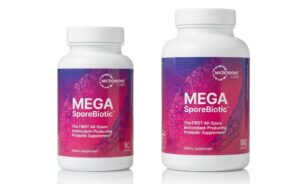
- Amazon — widely available but requires caution (see below): View MegaSporeBiotic on Amazon (affiliate link — we may earn a commission from qualifying purchases at no extra cost to you)
Counterfeit and Reseller Warning
As MegaSporeBiotic has grown in popularity, third-party resellers and counterfeit listings have appeared on Amazon and other platforms. To protect yourself:
- Only buy from listings sold directly by Microbiome Labs LLC or a verified authorized reseller
- Confirm the product label shows all five Bacillus strain names
- Avoid open-box, “used,” or heavily discounted listings — the product should arrive factory-sealed
- While MegaSporeBiotic does not require refrigeration, avoid products stored in extreme heat — check seller storage information before purchasing
Price Reference (2026)
| Package Size | Capsule Count | Approx. Price | Supply at 2 Caps/Day |
|---|---|---|---|
| Standard bottle | 60 capsules | $55–$75 | 30 days |
| Large bottle | 180 capsules | $130–$160 | 90 days |
The 180-capsule bottle typically offers better value per dose if you plan to complete the full 60–90 day protocol that clinical studies suggest is needed for meaningful results.
For relief while starting a probiotic protocol, see our guide: Fast Constipation Relief at Home: 12 Natural Methods That Actually Work — evidence-backed approaches you can use the same day.
Who Should Try MegaSporeBiotic? (And Who Should Not)
MegaSporeBiotic May Be a Good Fit If You:
- Have chronic constipation unresponsive to fiber supplements, magnesium, or standard probiotics
- Have been diagnosed with IBS-C (constipation-predominant IBS)
- Have a history of SIBO (small intestinal bacterial overgrowth)
- Have signs of increased intestinal permeability: food sensitivities, bloating after most meals, skin flares after eating, brain fog
- Have recently completed antibiotic treatment and need gut flora restoration
- Need a probiotic that remains effective while taking antibiotics
Use Caution or Consult a Doctor First If You:
- Are immunocompromised (chemotherapy, HIV/AIDS, organ transplant, long-term immunosuppressants)
- Have diagnosed Crohn’s disease or ulcerative colitis — spore probiotics have not been adequately studied in this population
- Are pregnant or breastfeeding — always confirm with your OB-GYN before starting, even though Microbiome Labs states the product has been used during pregnancy
- Have an active fever or systemic infection — wait until fully recovered
MegaSporeBiotic Is Not the Right Tool If You:
- Need fast, same-day constipation relief — this is not a laxative and requires weeks to work
- Have simple, occasional constipation from dehydration or a low-fiber diet — dietary changes and hydration are the correct first step
If you need immediate relief while starting a longer-term gut protocol: Natural Constipation Relief Home Remedies covers proven fast-acting options.
Considering all your probiotic options? Our 2026 probiotic supplement research roundup places MegaSporeBiotic in context alongside other reviewed formulas.
If constipation is related to pregnancy: Safe Probiotics for Pregnancy-Related Constipation covers what is actually safe to take during pregnancy before you start any spore-based formula.
Frequently Asked Questions
Note: Individual responses to MegaSporeBiotic vary depending on the underlying cause of constipation, gut health history, and consistency of use. The answers below reflect general patterns from published research and reported user experience. Always consult a healthcare provider for guidance specific to your situation.
Does MegaSporeBiotic help with constipation?
MegaSporeBiotic may help with constipation, but primarily through indirect mechanisms — supporting the gut lining, reducing inflammation, and fostering a healthier microbiome, all of which affect bowel motility. Its strain Bacillus coagulans has separate evidence for improving colon transit time and bowel movement frequency in adults with mild constipation. However, no large-scale trial has yet tested MegaSporeBiotic as a finished product specifically for chronic functional constipation. Results vary significantly between individuals.
How long does MegaSporeBiotic take to work for constipation?
Most people begin noticing changes in bowel habits within 2 to 4 weeks of consistent use. The published 30-day intestinal permeability study showed gut lining improvements at 30 days. Many integrative practitioners recommend a full 60 to 90 day trial before assessing whether the supplement is effective for you.
Can I take MegaSporeBiotic with antibiotics?
Yes. The protective spore shell may help the probiotic strains in MegaSporeBiotic remain more stable during antibiotic use compared with many traditional probiotics, potentially allowing continued support for gut health during or after antibiotic treatment. This is considered one of the practical advantages of spore-based probiotics. Always consult your prescribing physician before combining any supplement with a prescription medication.
What is the best time to take MegaSporeBiotic?
With a meal, preferably one containing some fat. Fat in the gut may help trigger spore germination in the small intestine. Avoid taking on an empty stomach, particularly during the first few weeks of the protocol.
Is MegaSporeBiotic safe for IBS-C?
MegaSporeBiotic has shown quality-of-life benefits in IBS patients in a published clinical trial. For IBS-C specifically, its potential effects on intestinal barrier integrity and inflammation make it a reasonable option to discuss with a gastroenterologist. However, the published trial enrolled IBS patients without constipation as their primary symptom, so direct IBS-C evidence is still limited.
What are the side effects of MegaSporeBiotic?
Common early side effects include temporary bloating, gas, loose stools, and occasionally a brief worsening of constipation. Some practitioners attribute these to shifts in gut microbiome composition as the spore bacteria begin interacting with existing gut flora, though the precise mechanism is not fully established clinically. Starting slowly — every other day for the first week — significantly reduces their severity. Symptoms typically resolve within 1 to 2 weeks.
MegaSporeBiotic vs Just Thrive — which is better for constipation?
Both are spore-based probiotics sharing four identical Bacillus strains. MegaSporeBiotic has one additional strain (B. licheniformis) and delivers 4 billion CFU versus Just Thrive’s 3 billion. All published human clinical studies used MegaSporeBiotic, giving it more direct research support. Just Thrive is easier to find in stores and is typically $10–$15 less per bottle. For constipation specifically, MegaSporeBiotic has a slight evidence edge; for accessibility and budget, Just Thrive is a reasonable alternative.
Where can I buy MegaSporeBiotic?
Through Microbiome Labs’ practitioner network, authorized online supplement dispensaries (Fullscript, Rupa Health), and Amazon (affiliate link). Always purchase from an authorized seller to ensure product authenticity and proper storage.
Can MegaSporeBiotic temporarily make constipation worse?
Yes — this is a recognized part of the adjustment period for some users. As spore bacteria interact with and gradually displace existing gut microbes, bowel patterns can temporarily become more irregular before improving. This usually resolves within 1 to 2 weeks. Reducing the starting dose and increasing water intake typically helps manage this transition.
Conclusion: Is MegaSporeBiotic Worth Trying for Constipation?
For people whose constipation has a root in intestinal barrier dysfunction, microbiome imbalance, or IBS, MegaSporeBiotic is one of the more scientifically supported probiotic options available. That said, direct constipation-specific evidence remains limited, and it is not a laxative — results require weeks of consistent use and vary between individuals.
What published evidence supports:
- Shown in a published randomized trial to significantly reduce post-meal endotoxin levels compared with placebo, suggesting potential improvements in intestinal barrier function (PMID: 28868181)
- In a published clinical study, showed IBS symptom outcomes comparable to antibiotic-based treatment, with quality-of-life measures favoring the probiotic group (PMID: 31438618)
- A related spore-forming B. coagulans strain has RCT evidence for improving colon transit time and bowel movement frequency in mild constipation (PMID: 34119240)
What evidence does not yet establish:
- A large-scale, placebo-controlled trial using MegaSporeBiotic specifically for chronic functional constipation as the primary outcome
If fiber, hydration, magnesium, and standard probiotics have not provided lasting relief, MegaSporeBiotic offers a mechanistically different approach worth discussing with your doctor or gastroenterologist. Follow the gradual ramp-up protocol, allow 6–8 weeks, and include prebiotic fiber to support microbiome adaptation and recovery.
→ Ready to explore all your options? Read our full evidence-based probiotic comparison for constipation and bloating (2026).
Medical Reviewer Dr. Salikullah, MBBS, BCS, FCPS (BMDC No. 98692) is the medical reviewer for this article. He ensures all clinical claims and study citations are accurate and consistent with current evidence. His review does not imply personal endorsement of any product.
Medical Disclaimer This article is for educational purposes only and is not medical advice. Constipation can have many causes. Consult your doctor or gastroenterologist before starting any supplement.
References
- McFarlin BK, Henning AL, Bowman EM, Gary MA, Carbajal KM. Oral spore-based probiotic supplementation was associated with reduced incidence of post-prandial dietary endotoxin, triglycerides, and disease risk biomarkers. World J Gastrointest Pathophysiol. 2017;8(3):117–126. DOI: 10.4291/wjgp.v8.i3.117 | PMID: 28868181.
- Gheorghe C, Bacalbașa N, Gheorghe A, Diculescu M, Seicean A. Bacillus spp. Spores — A Promising Treatment Option for Patients with Irritable Bowel Syndrome. Nutrients. 2019;11(9):1968. DOI: 10.3390/nu11091968 | PMID: 31438618.
- Jang HM, Han SK, Kim JK, Oh S, Jang HB, Kim DH. Spore-forming Bacillus coagulans SNZ 1969 improved intestinal motility and constipation perception mediated by microbial alterations in healthy adults with mild intermittent constipation: A randomized controlled trial. Food Funct. 2021;12(12):5501–5512. DOI: 10.1039/D1FO00128K | PMID: 34119240.
- Dolin BJ. Effects of a proprietary Bacillus coagulans preparation on symptoms of diarrhea-predominant irritable bowel syndrome. Methods Find Exp Clin Pharmacol. 2009;31(10):655–659. DOI: 10.1358/mf.2009.31.10.1441078 | PMID: 19332970.
- Majeed M, Nagabhushanam K, Natarajan S, et al. Bacillus coagulans MTCC 5856 for the management of major depression with irritable bowel syndrome: a randomised, double-blind, placebo controlled, multi-centre, pilot clinical study. Food Nutr Res. 2018;62:10.29219/fnr.v62.1218. DOI: 10.29219/fnr.v62.1218 | PMC6034030.






[…] Leaky gut, IBS, SIBO, chronic constipation […]