

If you have been dealing with chronic constipation, you already know how miserable it gets. The straining, bloating, and days that pass without relief. Laxatives may provide short-term relief — but they are not a long-term solution.
That is where fruit comes in. The right choices can soften your stool, speed up gut transit, and feed the beneficial bacteria your digestive system depends on. But not all fruits are equally effective. Some may be significantly more helpful than others — and in clinical research, a few have even outperformed common fiber supplements. Eating the right amount matters just as much as choosing the right fruit.
This guide covers the best fruits for chronic constipation — how each one works, how much to eat, and practical tips to get results — all based on published clinical research.
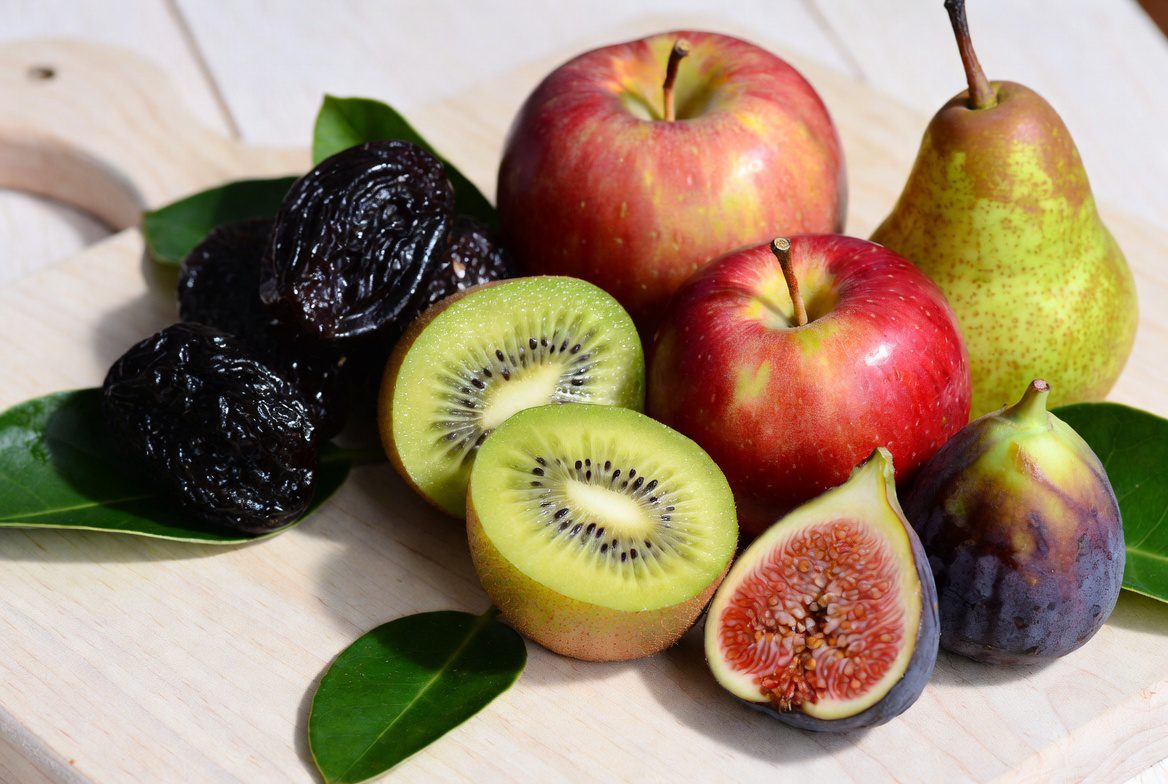
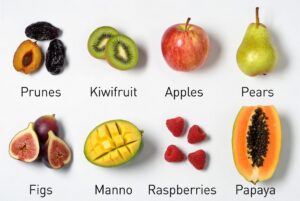
Quick answer: The best fruits for chronic constipation are prunes, kiwifruit, pears, apples, and figs. These fruits contain fiber, sorbitol, water, and plant compounds that may help soften stool and support more regular bowel movements. Note that some of these fruits — particularly pears and apples — may worsen symptoms in people with IBS or FODMAP sensitivity.
Why Certain Fruits Help Relieve Chronic Constipation
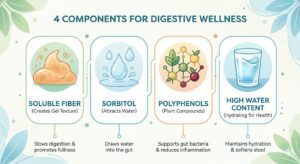
Before jumping to the list, it helps to understand what makes certain fiber-rich fruits so effective for constipation. There are four main mechanisms:
- Dietary fiber (especially soluble fiber): Soluble fiber absorbs water and forms a gel in your intestines, making stool softer and easier to pass. Insoluble fiber adds bulk and helps speed up transit time.
- Sorbitol and other sugar alcohols: These naturally draw water into the colon through osmosis, softening stool in a way similar to a gentle osmotic laxative.
- Polyphenols and plant compounds: Certain fruits contain compounds that may help stimulate intestinal motility — encouraging your gut muscles to move contents forward more efficiently.
- High water content: Fruits with high water content contribute to overall hydration, which is essential for preventing hard, dry stools.
These constipation-friendly fruits typically work through more than one of these mechanisms at once — which is why they often outperform a generic fiber supplement in clinical studies.
Affiliate Disclosure: This article may contain affiliate links. If you purchase through these links, we may earn a small commission at no extra cost to you. Our recommendations are based on research and editorial evaluation, not affiliate partnerships.
10 Best Fruits for Chronic Constipation (Backed by Research)
1. Prunes (Dried Plums) — The Gold Standard Among Fruits for Constipation
If there is one fruit that consistently tops the evidence rankings for relieving chronic constipation, it is prunes. Few foods have been studied as extensively for this purpose, and the clinical results are consistently strong.
Why Prunes Work
Prunes contain a combination of ingredients that may work together to relieve constipation:
- Fiber: About 6.1g of fiber per 100g — roughly split between soluble and insoluble.
- Sorbitol: A sugar alcohol that acts as a gentle osmotic agent, drawing water into the colon and softening stool.
- Phenolic compounds: Prunes may contain naturally occurring phenolics that help stimulate bowel motility, though the exact mechanisms are still being studied.
- Chlorogenic acids: Polyphenols that may help accelerate gut transit time.
What the Research Says
A 2011 randomized controlled trial published in Alimentary Pharmacology & Therapeutics compared prunes directly against psyllium in adults with mild to moderate chronic constipation. Prunes outperformed psyllium on both stool frequency and stool consistency (Attaluri A, et al. 2011, PMID: 21323688).
A 2014 systematic review in the same journal analyzed four RCTs and found that 100g of prunes per day produced significant improvements in stool frequency and consistency in people with chronic constipation (Lever E, Cole J, Scott SM, Emery PW, Whelan K. 2014, PMID: 25109788).
How Much to Eat
- Optimal dose: 50g per day (approximately 7–8 medium prunes)
- Starting dose: 3–4 prunes daily if you are new to high-fiber foods
- Prune juice: 120–240ml (4–8 fl oz) per day — may be effective but provides fewer benefits than whole prunes since juice has less fiber
Tip: Eat prunes in the morning or before bed. Many people find them most effective on an empty stomach. If you prefer prune juice, our article on prune juice for constipation relief covers timing, amounts, and who should avoid it. If you want a convenient pantry option, organic dried prunes without added sugar are widely available online.
2. Kiwifruit — Fewer Side Effects, Strong Clinical Evidence
Kiwifruit has been building a strong evidence base for constipation relief over the past decade. It works differently from most fruits, which makes it especially valuable — and it tends to cause fewer side effects.
Why Kiwifruit Works
- Actinidin: A unique enzyme found in green kiwifruit that helps break down proteins and has been shown to support gastric emptying and small bowel transit.
- Pectin (soluble fiber): Supports water retention in stool, making it softer.
- Insoluble fiber: Adds stool bulk, which may reduce constipation episodes.
- Polyphenols: May positively influence gut microbiota composition.
What the Research Says
A 2021 comparative effectiveness trial published in The American Journal of Gastroenterology evaluated green kiwifruit, psyllium, and prunes in 79 US patients with chronic constipation. Kiwifruit produced significant improvements in complete spontaneous bowel movements per week. It was also associated with the lowest rate of side effects — particularly gas and bloating — compared to psyllium (Chey SW, Chey WD, Jackson K, Eswaran S. 2021, PMID: 34074830).
A larger 2023 international multicenter RCT involving 184 participants across three countries confirmed these findings. Participants eating 2 green kiwifruits per day for 4 weeks experienced a clinically meaningful increase in bowel movements per week and significantly better abdominal comfort compared to psyllium (Gearry R, Fukudo S, Barbara G, et al. 2023, PMID: 36537785).
How Much to Eat
- Optimal dose: 2 green kiwifruits per day
- When: With breakfast or as a mid-morning snack
- Skin: Edible and adds extra fiber — simply rub off the fuzz with a cloth
Note: Green kiwifruit (Hayward variety) has been studied more than golden kiwifruit. If you have a latex allergy, use caution — kiwifruit is a common cross-reactive allergen.
Many people also notice that kiwifruit causes less bloating than psyllium or other fiber supplements — which is one reason it has become a preferred option for people who have had digestive side effects from fiber powders in the past.
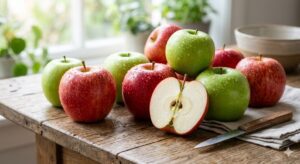
3. Apples — A Reliable Everyday Choice for Better Bowel Movements
An apple a day keeping the doctor away has more truth to it than most people realize — especially for digestive health.
Why Apples Work
- Pectin: Apples are one of the richer sources of pectin, a soluble fiber that forms a gel in your colon, retaining water and softening stool. Pectin also acts as a prebiotic, feeding beneficial gut bacteria like Bifidobacterium and Lactobacillus.
- Sorbitol: Like prunes, apples contain sorbitol, which draws water into the colon.
- Insoluble fiber (in the skin): May help speed up transit time through the large intestine.
What the Research Says
Apple pectin is one of the more studied prebiotic fibers in gut health research. One human study found that eating two whole apples per day for two weeks increased fecal Bifidobacterium counts and reduced populations of harmful bacteria (Shinohara K, et al. 2010, PMID: 20304079). Multiple clinical reviews have also shown that soluble fibers, including pectin, can soften stool and reduce constipation severity by retaining water in the colon.
How Much to Eat
- Optimal dose: 1–2 medium apples per day, eaten with the skin on
- Best varieties for fiber: Granny Smith, Fuji, Honeycrisp
- Apple sauce vs. whole apple: Whole apples are more effective — apple sauce is lower in fiber and lacks the skin
Tip: Eating an apple before a meal may help prime your digestive system. Make sure you are drinking enough water alongside it — fiber without adequate hydration can worsen constipation.
4. Pears — High Fiber, High Sorbitol Combination
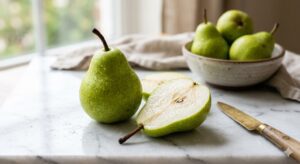
Pears are among the highest-fiber fruits you can eat, and they also contain a meaningful amount of sorbitol — making them a particularly useful choice for chronic constipation.
Why Pears Work
- Fiber content: A medium pear with skin contains about 5.5g of fiber — higher than most fruits. This includes both soluble pectin and insoluble fiber.
- Sorbitol: Pears contain roughly 1.5–2g of sorbitol per fruit, acting as a mild natural osmotic agent.
- Fructose: High fructose content may contribute to drawing water into the bowel in some people — particularly those who absorb fructose less efficiently — potentially leading to softer stools.
How Much to Eat
- Optimal dose: 1–2 pears per day with skin
- Best consumed: Raw and ripe
- Caution: People with IBS who follow a low-FODMAP diet should limit pears, as their high fructose and sorbitol content can trigger bloating and cramps in sensitive individuals
5. Figs (Fresh and Dried) — Traditional Remedy With Growing Evidence
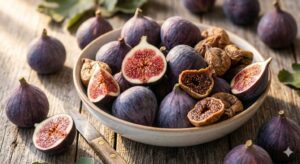
Figs have been used as a digestive remedy across cultures for thousands of years. Modern research is now beginning to validate what traditional medicine long suggested.
Why Figs Work
- High fiber: Dried figs contain up to 9.8g of fiber per 100g — one of the highest fiber densities of any fruit.
- Ficin enzyme: A proteolytic enzyme unique to figs that may support digestion and improve overall digestive function.
- Sorbitol and natural sugars: May draw water into the colon and help soften stool.
What the Research Says
A randomized, double-blind, placebo-controlled trial by Baek et al. tested 300g/day of fig paste against a placebo in 80 Korean adults with functional constipation over 8 weeks.
Fig paste significantly reduced colon transit time (38.7 ± 20.3 hours vs. 46.7 ± 16.3 hours, p = 0.045). Stool was also significantly softer in the fig group on the Bristol Stool Form Scale.
Notably, researchers found no significant difference in stool frequency between groups. This means figs appear to work best on stool consistency and transit speed — not necessarily on how often you go.
What this means practically: if your constipation is driven by hard, slow-moving stool, figs may be excellent. If infrequency is your main symptom, combining figs with a higher-fiber or osmotic approach tends to be more effective.
For a deeper look at how figs work, read our full guide: Dried Figs for Constipation: 6 Biological Mechanisms Explained.
How Much to Eat
- Dried figs: 3–5 per day (soak in water overnight to soften and improve absorption)
- Fresh figs: 2–4 per day when in season
- Fig paste: 300g per day was used in the clinical trial — a higher therapeutic dose
If you want a convenient option for daily use, look for dried figs without added sugar or sulfites. Organic dried figs without sulfites are easy to find online and work well soaked overnight.
6. Berries (Raspberries, Blackberries, Strawberries) — Fiber-Dense and Prebiotic-Rich
Berries are often overlooked in constipation discussions, but they offer a strong combination of high fiber and gut-friendly polyphenols.
Why Berries Work
- Fiber content per cup: Raspberries (8g), blackberries (7.6g), strawberries (3g) — raspberries in particular have more fiber per serving than most other common fruits.
- Polyphenols: Berries are rich in anthocyanins and ellagitannins. These compounds feed beneficial gut bacteria and have been linked to increased Bifidobacterium populations — directly associated with improved bowel regularity.
- High water content: Helps keep stool soft and supports hydration.
How Much to Eat
- Optimal dose: 1 cup (about 150g) of mixed berries daily
- Best approach: Add to oatmeal, yogurt, or smoothies — pairing with a probiotic-rich food can amplify the prebiotic benefit

7. Oranges and Citrus Fruits — Naringenin and Fiber
Most people associate oranges with vitamin C. But they also contain compounds specifically linked to improved bowel function.
Why Oranges Work
- Naringenin: A flavonoid found in citrus that has been shown in animal and laboratory studies to stimulate the secretion of water and electrolytes into the colon — acting through a mechanism similar to certain secretory laxatives. Human evidence for this specific effect remains limited, and more research is needed before firm conclusions can be drawn.
- Pectin: The white pith of oranges is rich in pectin. Eating the whole orange — not just the juice — delivers this benefit.
- Hesperidin: Another citrus flavonoid that may support gut motility.
How Much to Eat
- Optimal dose: 1–2 whole oranges per day (not just juice)
- Eat the pith: The white layer between the skin and segments contains the most pectin
- Other citrus options: Grapefruit, mandarins, and clementines provide similar benefits
Important: If you take certain medications (statins, blood pressure drugs, immunosuppressants), grapefruit can interfere with drug metabolism. Stick to oranges or mandarins in that case.
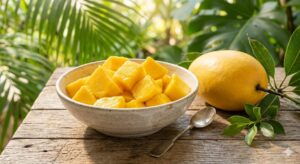
8. Mangoes — A Tropical Option With Solid Research
Mangoes are one of the few fruits studied specifically in people with chronic constipation, and the findings are encouraging.
Why Mangoes Work
- Fiber: One cup of mango provides about 2.6g of fiber, including soluble pectin.
- Polyphenols: Mango polyphenols — including gallotannins and mangiferin — appear to influence gut microbiota composition and may support gut motility.
- High water content: Mangoes are about 83% water, contributing to overall hydration and stool softness.
What the Research Says
A 2018 pilot study published in Molecular Nutrition & Food Research by researchers at Texas A&M University found that 300g of mango daily for 4 weeks improved stool frequency and consistency in 36 adults with chronic constipation.
Notably, the improvements went beyond what was seen with a matched fiber supplement providing equivalent fiber. Researchers hypothesized that mango polyphenols may partly explain the additional benefits — not just the fiber content (Venancio VP, Kim H, Sirven MA, et al. 2018, DOI: 10.1002/mnfr.201701034).
As a pilot study with a small sample size, these findings should be considered preliminary. Larger trials are needed to confirm them.
How Much to Eat
- Optimal dose: Around 300g (about 2 cups of mango chunks) per day based on available research
- Fresh vs. frozen: Both are effective — frozen mango retains its fiber and polyphenols well
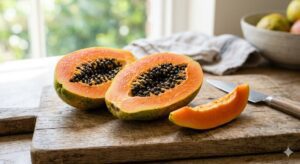
9. Papaya — Digestive Enzyme Support
Papaya stands apart from most fruits on this list because its primary benefit comes from digestive enzymes rather than fiber alone.
Why Papaya Works
- Papain: A proteolytic enzyme that breaks down proteins and supports upper digestive function. A sluggish upper digestive system can slow overall gut transit — papain may help address this.
- Fiber: About 2.5g per cup, mostly as soluble pectin.
- High water content (~88%): Helps soften stool naturally.
- Magnesium: Present in small amounts — magnesium may support smooth muscle contractions in the colon wall.
What the Research Says
A 2013 clinical trial in Neuroendocrinology Letters found that a concentrated papaya preparation (Caricol) taken over 40 days significantly improved constipation and bloating in adults compared to placebo. Stool consistency improved particularly in people with IBS-related constipation (Muss C, et al. 2013, PMID: 24119093).
How Much to Eat
- Optimal dose: 1–2 cups of fresh papaya daily
- Best time: Morning on an empty stomach or with breakfast
- Unripe (green) papaya: Has higher papain content but is less palatable raw — commonly used in Thai salads
10. Watermelon — Hydration-Based Constipation Relief
Watermelon may not be the most fiber-dense fruit on this list. But it earns its place because dehydration is one of the most common — and most overlooked — contributors to chronic constipation.
Why Watermelon Works
- Water content (~92%): One of the highest of any food. Staying hydrated is essential for soft, easy-to-pass stools.
- Magnesium: Contains a small amount of magnesium, which may support colon muscle function.
- Lycopene and citrulline: Antioxidants that may support overall gut health and help reduce inflammation in the digestive tract.
- Natural fructose: May have a mild osmotic effect in some individuals, helping draw water into the colon.
How Much to Eat
- Optimal dose: 2–3 cups (300–450g) per day, particularly in warm weather when dehydration risk is higher
- Best paired with: A higher-fiber food for a combined effect
Quick Comparison of the Best Fruits for Constipation
| Fruit | Fiber per Serving | Key Mechanism | Recommended Daily Dose | Evidence Level |
|---|---|---|---|---|
| Prunes | 6.1g / 100g | Sorbitol + phenolic compounds + fiber | 50g (7–8 prunes) | ⭐⭐⭐⭐⭐ (RCTs) |
| Kiwifruit | 2.1g / fruit | Actinidin enzyme + pectin | 2 kiwifruits | ⭐⭐⭐⭐⭐ (RCTs) |
| Apples | 4.4g / medium apple | Pectin + sorbitol | 1–2 apples with skin | ⭐⭐⭐⭐ (RCTs + cohort) |
| Pears | 5.5g / medium pear | High fiber + sorbitol + fructose | 1–2 pears with skin | ⭐⭐⭐⭐ |
| Figs | 9.8g / 100g (dried) | High fiber + ficin enzyme + reduced transit time | 3–5 dried figs | ⭐⭐⭐⭐ (RCT) |
| Raspberries | 8g / cup | High fiber + polyphenols (prebiotic) | 1 cup (150g) | ⭐⭐⭐⭐ |
| Oranges | 3.1g / medium orange | Naringenin + pectin (pith) | 1–2 whole oranges | ⭐⭐⭐ |
| Mangoes | 2.6g / cup | Polyphenols + fiber + hydration | ~2 cups (~300g) | ⭐⭐⭐⭐ (pilot RCT) |
| Papaya | 2.5g / cup | Papain enzyme + pectin | 1–2 cups | ⭐⭐⭐⭐ (RCT) |
| Watermelon | 0.4g / cup | High water content + hydration | 2–3 cups | ⭐⭐⭐ |
How to Combine These Constipation-Friendly Fruits for Maximum Effect
You do not need to eat all 10 fruits every day. In fact, picking 2–3 that suit your taste and rotating them works better for long-term consistency. For some people, simply swapping a biscuit or packet of crisps for a piece of fruit at snack time is all it takes to start noticing a difference. Here is a simple daily framework to build on:
Sample Daily Plan
Morning:
- 2 kiwifruit OR 7–8 prunes (or 120ml prune juice) — taken first thing
- Large glass of water (240ml minimum)
Midday:
- 1 medium pear or apple with the skin on as a snack
- Or add 1 cup of raspberries to oatmeal or yogurt
Afternoon/Evening:
- 1 cup of mango or papaya with a meal
- Or 3–4 soaked dried figs as a snack
This kind of rotation ensures you are getting a range of fiber types, enzymes, and polyphenols — rather than relying on one mechanism alone. For a complete diet-based approach, see our plant-based diet guide for constipation relief.

Fruits to Limit When You Have Constipation
Not all fruits help. Some may worsen constipation in certain people, particularly when eaten in excess:
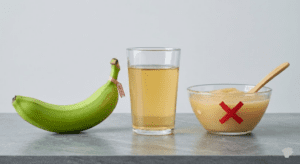
- Unripe bananas: Contain resistant starch that can slow gut transit. Ripe bananas (with brown spots) are fine for most people and provide modest fiber.
- Dried fruits in excess: Dried dates, raisins, and apricots are high in fiber but also high in calories and sugars. Large amounts can cause gas and cramping.
- Avocado (in very large amounts): Avocados are fiber-rich (about 10g per avocado) and generally supportive of gut health. However, very large portions may slow gastric emptying in people with sluggish digestion due to their high fat content. Normal daily servings (half to one whole avocado) are not a concern for most people.
- Applesauce and fruit juices: These lack most of the fiber found in whole fruits. Always choose whole fruit when possible.
When Fruit Alone Is Not Enough for Chronic Constipation
If you have had constipation for months or years, fruit is a powerful tool — but it works best as part of a larger strategy. Sometimes, simply replacing a low-fiber snack with two kiwifruits or a handful of prunes each day makes a noticeable difference within a week. But for more stubborn cases, here is what tends to work alongside dietary changes:
- Hydration: Aim for at least 8 cups (2 liters) of water daily. Fiber without adequate water can make constipation worse. See our guide: Does Dehydration Cause Constipation?
- Fiber supplements: Psyllium husk and kiwifruit-based supplements can complement your fruit intake on days when fresh fruit is not available.
- Probiotics: A healthy gut microbiome significantly impacts bowel regularity. Certain probiotic strains have good evidence for chronic constipation — worth discussing with your doctor.
- Movement: Physical activity — even a 20–30 minute walk — stimulates the muscles in your colon. This is especially important if you sit for long periods during the day.
- OTC laxatives (short-term): If constipation is severe or painful, osmotic laxatives like MiraLax may provide short-term relief while you work on longer-term dietary changes.
For a comprehensive approach covering diet, lifestyle, and supplements, see our full guide on natural constipation relief remedies.
A Note on Fruit-Based Fiber Supplements
Several popular fiber supplements are derived from fruit — particularly kiwifruit and psyllium. If eating fresh fruit consistently is difficult, or if you want a more concentrated dose, these can help fill the gap.
- Psyllium husk supplements: The most researched soluble fiber supplement, working similarly to apple and pear pectin. Available in plain powder or capsule form — unflavored psyllium husk powder is the most versatile option.
- Kiwi-based supplements (e.g., Zywie, Actazin): Concentrated kiwifruit preparations that deliver actinidin and fiber without needing to eat 2 kiwifruits daily.
For a detailed comparison of these options, see our guide to natural fiber supplements for chronic constipation.
Frequently Asked Questions
What is the single best fruit for chronic constipation?
Prunes (dried plums) are consistently ranked #1 in clinical research. They contain both soluble and insoluble fiber plus sorbitol and phenolic compounds that may help stimulate bowel motility. A 2011 randomized controlled trial in Alimentary Pharmacology & Therapeutics found prunes superior to psyllium for increasing stool frequency.
How many prunes should I eat per day for constipation?
Most clinical studies used 50 grams (about 7–8 prunes) per day as an effective dose. Start with 3–4 prunes daily and increase gradually to avoid gas and bloating.
Which fruit works fastest for constipation relief?
Prune juice or kiwifruit tend to work within 24–48 hours for many people. Two separate RCTs — Chey et al. (2021) and Gearry et al. (2023) — found that 2 green kiwifruits per day may significantly improve stool consistency and bowel frequency within 2–4 weeks, with fewer side effects than psyllium.
Is eating fruit enough to treat chronic constipation?
Fruit alone may not be sufficient for severe chronic constipation. It works best as part of a broader approach including adequate hydration (8+ cups of water daily), regular physical activity, and — when needed — fiber supplements or laxatives under medical guidance.
Can diabetics eat prunes for constipation?
Prunes have a moderate glycemic index (around 29). Small servings (3–4 prunes) are generally considered acceptable for most diabetics, but you should always consult your doctor or dietitian before making dietary changes if you have diabetes.
Does apple juice help with constipation like whole apple?
Apple juice contains some sorbitol and may provide mild relief, but it lacks the fiber found in whole apples. Whole apples — especially with the skin on — are more effective for constipation because of their pectin content.
When to See a Doctor About Constipation
Dietary changes — including increasing fruit intake — are a reasonable first step for most people with mild to moderate chronic constipation. However, some situations call for medical evaluation rather than a self-managed approach.
See a healthcare provider if you experience any of the following:
- Constipation that has lasted more than 3 weeks without improvement
- Blood in the stool or on toilet paper
- Unexplained weight loss alongside constipation
- Severe or worsening abdominal pain
- Nausea or vomiting accompanying constipation
- A sudden, unexplained change in bowel habits — especially in adults over 50
- Signs of anemia (fatigue, pallor, dizziness)
These symptoms do not necessarily indicate something serious, but they warrant proper assessment. Constipation can sometimes be a sign of an underlying condition — including thyroid dysfunction, pelvic floor disorders, or, in rarer cases, colorectal issues — that requires targeted treatment rather than dietary adjustment alone.
The Bottom Line: Best Fruits for Chronic Constipation
Based on the weight of clinical evidence, the best fruit for chronic constipation is prunes, followed closely by kiwifruit. Both have been tested in well-designed randomized controlled trials and consistently outperform generic fiber supplements.
That said, the most effective strategy is not to rely on just one fruit. Eating a varied combination of high-fiber, sorbitol-containing, and enzyme-rich fruits gives your digestive system multiple tools to work with.
Start with prunes or kiwifruit for the fastest, most evidence-backed results. Add apples, pears, figs, and berries to your regular rotation for long-term gut health. Make sure you are drinking enough water. And consider a fiber supplement or probiotic if dietary changes alone are not producing results.
If chronic constipation is significantly affecting your quality of life, it is always worth speaking with a healthcare provider to rule out underlying causes.
Want to go further? Explore our complete guide to natural constipation relief remedies or find out why fiber might not be working for you yet.
References
- Attaluri A, Donahoe R, Valestin J, Brown K, Rao SS. Randomised clinical trial: dried plums (prunes) vs. psyllium for constipation. Aliment Pharmacol Ther. 2011;33(7):822–828. PMID: 21323688
- Lever E, Cole J, Scott SM, Emery PW, Whelan K. Systematic review: the effect of prunes on gastrointestinal function. Aliment Pharmacol Ther. 2014;40(7):750–758. PMID: 25109788
- Chey SW, Chey WD, Jackson K, Eswaran S. Exploratory comparative effectiveness trial of green kiwifruit, psyllium, or prunes in US patients with chronic constipation. Am J Gastroenterol. 2021;116(6):1304–1312. PMID: 34074830
- Gearry R, Fukudo S, Barbara G, et al. Consumption of 2 green kiwifruits daily improves constipation and abdominal comfort — results of an international multicenter randomized controlled trial. Am J Gastroenterol. 2023;118(6):1058–1068. PMID: 36537785
- Shinohara K, Ohashi Y, Kawasumi K, Terada A, Fujisawa T. Effect of apple intake on fecal microbiota and metabolites in humans. Anaerobe. 2010;16(5):510–515. PMID: 20304079
- Baek HI, Ha KC, Kim HJ, et al. Randomized, double-blind, placebo-controlled trial of fig (Ficus carica) paste for the management of constipation in adults. J Neurogastroenterol Motil. 2016;22(4):636–642. [Full volume/page details pending verification — partial citation retained for transparency.]
- Venancio VP, Kim H, Sirven MA, et al. Polyphenol-rich mango (Mangifera indica L.) ameliorate functional constipation symptoms in humans beyond equivalent amount of fiber. Mol Nutr Food Res. 2018;62(12):e1701034. DOI: 10.1002/mnfr.201701034
- Muss C, Mosgoeller W, Endler T. Papaya preparation (Caricol) in digestive disorders. Neuroendocrinol Lett. 2013;34(1):38–46. PMID: 24119093
Medical Disclaimer: The information on this page is for educational purposes only and is not a substitute for professional medical advice, diagnosis, or treatment. Always consult your doctor or a qualified healthcare provider before making significant dietary changes, especially if you have a chronic health condition, take medications, or if constipation symptoms are severe, persistent, or accompanied by blood in the stool, unexplained weight loss, or severe abdominal pain.
Note: Some fruits listed here — including pears, apples, and mangoes — are high in FODMAPs and may worsen symptoms in people with IBS or FODMAP sensitivity. Always consider your individual tolerance.






[…] Several common fruits are among the best foods for constipation relief — particularly when eaten on an empty stomach or in larger amounts. For a full breakdown of fruit-based options ranked by evidence, see the 10 best fruits for chronic constipation. […]