


Can constipation cause nausea? Yes. When stool builds up in the colon, it can trigger bloating, abdominal pressure, delayed stomach emptying, and gut-brain nerve signals that make you feel nauseated. That said, constipation isn’t the cause of every case of nausea. It most often plays a role when constipation is severe, lasts for several days, or happens alongside another digestive condition such as IBS-C or gastroparesis.
Quick Answer
- Constipation can cause nausea, most often through abdominal distension, delayed gastric emptying, and vagus nerve signaling between the gut and the brain.
- The overlap is especially strong in people with gastroparesis, a condition in which the stomach empties too slowly. In one study, patients being evaluated for gastroparesis reported nausea 90% of the time and constipation 53% of the time. About a third had severe or very severe constipation, and constipation severity tracked closely with whether IBS was also present.[1]
- Certain medications, particularly opioids, are a shared cause of both constipation and nausea at the same time.
- Severe, unrelenting nausea with vomiting, an inability to pass gas or stool, and a hard, swollen abdomen can signal fecal impaction or bowel obstruction, which need prompt medical evaluation.
- Addressing the constipation itself, through hydration, fiber, movement, and appropriate OTC laxatives or natural remedies, is usually the most direct way to relieve nausea that is genuinely linked to constipation.
At a Glance: Best Products to Relieve Constipation-Related Nausea
If constipation is the root cause of your nausea, addressing the constipation itself is usually the most direct path to relief. Here are four options covered in this guide:
- Best overall (osmotic, gentle, first-line): MiraLAX Laxative Powder, 45 Dose — polyethylene glycol 3350 draws water into the colon to soften stool without the cramping or sudden urgency of stimulant laxatives; it’s the option most often recommended first for occasional constipation.
- Best for osmotic relief without a powder mix: Nature’s Bounty Magnesium Citrate, 150 mg, 90 Capsules — a capsule-based osmotic option for people who prefer not to mix a drink, commonly used alongside or instead of PEG for occasional constipation.
- Best for building daily fiber intake: Metamucil 4-in-1 Psyllium Husk Fiber, Sugar-Free, 180 Servings — psyllium husk fiber, introduced gradually, helps soften stool and ease straining over the longer term rather than providing single-dose relief.
- Best natural, food-based option: Sunsweet Amazin’ Pitted Prunes, Unsweetened, 8 oz x 3 Pack — prunes have clinical support for improving stool frequency and consistency without the abruptness that stimulant laxatives can cause.
Note: This list reflects OTC and food-based options discussed in this article for occasional constipation. It is not a substitute for medical advice — see the “When to See a Doctor” and emergency warning sections above if nausea is severe, persistent, or accompanied by other red-flag symptoms.

How Can Constipation Cause Nausea? The Mechanisms Explained
Constipation and nausea are both extremely common on their own, and chronic idiopathic constipation affects an estimated 9% to 20% of adults in the United States.[2] Because both conditions are widespread, they sometimes occur together by coincidence. But research points to several genuine physiological links between the two.
1. Vagus Nerve Signaling From Stool and Gas Distension
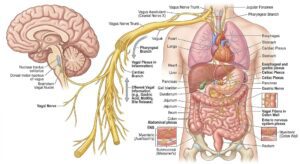
When stool and gas build up in the colon, the intestinal wall stretches. Stretch receptors in the gut wall can activate the vagus nerve, the main communication line between the digestive system and the brain. The vagus nerve is well known to play an important role in nausea signaling, carrying stretch signals to the brain’s nausea and vomiting centers. However, no study has directly measured how much this specific pathway contributes to nausea caused by constipation itself, as opposed to nausea from other causes. Still, it’s a plausible, biologically grounded explanation, even without a precise measurement behind it.
2. Delayed Gastric Emptying and Overlap With Gastroparesis
Constipation and slow stomach emptying (gastroparesis) frequently occur in the same patients. In a study of patients being evaluated for gastroparesis, nausea was reported by 90% of participants and constipation by 53%.[1] The severity of constipation tracked closely with the severity of nausea and vomiting scores. About a third of the patients in that study had severe or very severe constipation, and constipation severity was closely associated with whether IBS was also present.[1] A broader review of gut motility disorders similarly found that gastroparesis overlaps with functional constipation in roughly two-thirds of cases.[3]
The likely explanation: constipation and delayed gastric emptying often reflect a broader slowdown in whole-gut motility. When the colon empties slowly, it tends to affect upper digestive motility too, and nausea follows as a downstream effect.
3. Bacterial Fermentation and Gut-Brain Signaling
When stool sits in the colon for an extended period, gut bacteria have more time to ferment its contents, increasing gas production and bloating. Large clinical trials that specifically measure nausea from this pathway are limited. Still, this combination of prolonged stool retention, increased fermentation, and rising intestinal pressure is a mechanism commonly cited in clinical explanations of constipation-related bloating and discomfort. It’s considered a plausible contributor to nausea in susceptible individuals, through local irritation and altered gut-brain signaling, though not yet a precisely quantified cause. For a broader look at how gut bacteria influence bowel regularity, see our article on how a probiotic helped one person’s chronic constipation.
4. Chronic Nausea Vomiting Syndrome and IBS-C Overlap
The Rome IV diagnostic framework is the standard reference for functional gastrointestinal disorders. It recognizes a combined diagnosis called chronic nausea vomiting syndrome, which reflects how often the two symptoms occur together rather than in isolation.[4] Nausea also shows a documented overlap with functional gastrointestinal disorders, including irritable bowel syndrome, more so than in the general population.[5] If constipation and nausea show up together on a recurring basis, alongside abdominal pain or a change in stool form, IBS-C is worth discussing with a doctor. If fiber alone has not helped, our guide on why fiber isn’t working for your constipation covers probiotic strains and other approaches that have been studied specifically for IBS-C.
5. Medications That Cause Both Constipation and Nausea
Several common medications list both constipation and nausea as side effects. This means the two symptoms can share a single root cause rather than one directly causing the other. Opioid pain medications are the clearest example: they slow gut motility, causing constipation, while independently acting on nausea and vomiting centers in the brain. Other medications associated with both symptoms include iron supplements, some antidepressants, and certain calcium channel blockers. If nausea and constipation began around the same time you started a new medication, that timing is worth mentioning to your prescriber.
6. Stress, Anxiety, and the Gut-Brain Axis
The gut and brain communicate continuously through nerve, hormone, and immune signaling, collectively known as the gut-brain axis. Stress and anxiety can slow colonic motility, contributing to constipation, while separately intensifying the perception of nausea. Chronic constipation itself has also been linked to a higher risk of developing depression and mood disorder diagnoses over time, with a hazard ratio of 1.84 in one large claims-based study.[6] This suggests the relationship between mood, gut function, and nausea can run in more than one direction.
How Common Is This Overlap?
Clinically significant, unexplained nausea affects roughly 1.6% of the general population when defined as occurring more than once a week and reducing quality of life. About 90% of that nausea occurs without accompanying vomiting.[5] Constipation is far more common, affecting an estimated 9% to 20% of American adults.[2] The overlap between the two conditions is disproportionately concentrated in specific groups: people with IBS-C, people with gastroparesis or functional dyspepsia, older adults with fecal impaction, and anyone taking constipating medications that also cause nausea as a side effect.
Constipation-related nausea is much less studied in children. If a child has both symptoms, don’t assume the same mechanisms apply. Talk to a pediatrician rather than self-treating with adult remedies.
Fecal Impaction and Bowel Obstruction: When Nausea Signals Something More Serious
In most cases, constipation-related nausea is uncomfortable but not dangerous, and it improves once the constipation resolves. However, severe or prolonged constipation can progress to fecal impaction, a hard mass of stool that becomes lodged in the rectum or colon and cannot pass on its own. This is more likely in older adults, people with reduced mobility, and people with certain neurological conditions. For guidance specific to this higher-risk group, see our article on immediate constipation relief for elderly adults at home.
In rarer cases, severe constipation can contribute to a partial or complete bowel obstruction, a genuine medical emergency. According to Cleveland Clinic, common symptoms of bowel obstruction include abdominal pain or cramping, bloating, nausea and vomiting, and loss of appetite.[7] With a complete blockage, a person is unable to pass gas or stool at all. Mayo Clinic similarly advises seeking immediate medical care for symptoms of intestinal obstruction because of the serious complications that can develop without prompt treatment.[8]
It’s also worth ruling out causes that mimic constipation-related nausea but aren’t related to the bowel backing up at all. For example, pain that starts in the lower right abdomen and worsens can point to appendicitis rather than constipation, and needs its own urgent evaluation.
Seek emergency care immediately if nausea occurs together with any of the following:
- Vomiting that will not stop, or vomit that looks like stool (feculent vomiting)
- Blood in vomit, or black/tarry stool, which can indicate gastrointestinal bleeding
- A hard, visibly swollen, or severely distended abdomen
- Inability to pass gas or have any bowel movement
- Severe, worsening abdominal pain, especially if it localizes to the lower right abdomen
- Fever, rapid heartbeat, or other signs of dehydration alongside these symptoms
These symptoms are not typical of ordinary constipation and should not be managed with additional home laxatives.
When to See a Doctor
Contact a healthcare provider if you experience:
- Nausea and constipation that persist for more than a week despite home measures
- No bowel movement for more than three days despite trying standard remedies
- Nausea that is severe, persistent, or accompanied by vomiting
- Unexplained weight loss, rectal bleeding, or a sudden change in bowel habits lasting more than two weeks
- Any of the emergency warning signs listed above
A doctor can help distinguish between constipation-related nausea, an overlapping functional condition like IBS-C or gastroparesis, a medication side effect, and, less commonly, a more serious structural problem that needs its own targeted treatment.
What Helps: Addressing the Constipation
When nausea does appear to be linked to constipation, relieving the constipation itself is usually the most direct way to also relieve the nausea. Here are the evidence-based approaches worth trying first.
Hydration. Adequate fluid intake is one of the most overlooked and foundational factors in constipation. Learn more in our article on how dehydration causes constipation.
Fiber, gradually introduced. Increasing dietary fiber toward 25 to 31 grams per day helps soften stool and ease straining, though it should be increased slowly since a rapid increase can itself worsen bloating and nausea in some people. See our guide to fiber foods and fiber therapy for gut health.
Natural remedies. Prunes, kiwifruit, and olive oil each have clinical support for improving stool frequency and consistency without the abrupt cramping that can sometimes accompany stimulant laxatives. See our natural laxatives guide.
Magnesium. Magnesium citrate and magnesium oxide are commonly used osmotic agents for occasional constipation. See our guide on the best magnesium supplements for constipation.
OTC options when needed. Osmotic laxatives such as polyethylene glycol (PEG/MiraLAX) are generally well tolerated and are often the first-line recommendation for chronic constipation, since they work gently without the sudden urgency of stimulant options. Our complete OTC laxatives comparison covers all the major choices, and our Bisacodyl vs Milk of Magnesia vs MiraLax comparison breaks down the three most common drugstore choices side by side.
Pregnancy-specific care. Pregnant women are especially likely to experience constipation and nausea at the same time, since hormonal changes that slow gut motility often overlap with pregnancy-related nausea. Safe, pregnancy-appropriate fiber options are covered in our guide to high-fiber foods for pregnancy constipation, though any new supplement or medication should be discussed with an obstetric provider first.
Movement. Regular physical activity supports colon motility and can reduce both constipation and the bloating that contributes to nausea.
Related Guides
- Fast Constipation Relief at Home: 12 Natural Ways That Actually Work
- Why Fiber Isn’t Working for Your Constipation
- 5 Best Magnesium Supplements for Constipation
- Bisacodyl vs Milk of Magnesia vs MiraLax: Which Works Best
- Does Dehydration Cause Constipation? The Science-Backed Link
Frequently Asked Questions
Can constipation cause nausea and dizziness together?
Yes. Nausea and dizziness can occur together with constipation, particularly when constipation is severe or accompanied by dehydration. Abdominal distension and vagal nerve stimulation contribute to nausea, while dehydration itself can independently cause lightheadedness.
Can constipation cause vomiting?
In more severe cases, yes. Constipation-related nausea can progress to vomiting, especially with significant stool buildup, fecal impaction, or bowel obstruction. Vomiting that is persistent, forceful, or resembles stool in appearance needs prompt medical evaluation rather than home treatment.
How long does constipation-related nausea usually last?
It typically improves within a day or so of restoring a normal bowel movement. Nausea that persists well beyond that point, or that keeps recurring alongside constipation, is worth discussing with a doctor to rule out an overlapping condition such as IBS-C or gastroparesis.
Can constipation cause loss of appetite along with nausea?
Yes. Abdominal distension and a persistent feeling of fullness from stool buildup commonly reduce appetite, and this often occurs alongside nausea rather than as a separate symptom.
Is nausea from constipation dangerous?
Ordinary constipation-related nausea is uncomfortable but not typically dangerous, and it usually resolves with standard constipation treatment. However, nausea combined with an inability to pass gas or stool, a hard and swollen abdomen, or persistent vomiting can indicate fecal impaction or bowel obstruction, both of which need prompt medical attention.
Medical Disclaimer: This article is for informational purposes only and does not constitute medical advice. It is not a substitute for professional medical advice, diagnosis, or treatment. Always seek the advice of your physician or another qualified health provider with any questions you may have regarding a medical condition, especially persistent nausea, vomiting, or severe abdominal pain.
Affiliate Disclosure: This article contains affiliate links. If you purchase through our links, we may earn a small commission at no extra cost to you. Our recommendations are based on the available research discussed above, not on affiliate relationships.
References
- NIH/NIDDK Gastroparesis Consortium. Constipation in Patients With Symptoms of Gastroparesis: Analysis of Symptoms and Gastrointestinal Transit. Clinical Gastroenterology and Hepatology. 2022;20(3):546-558.e5. doi: 10.1016/j.cgh.2020.10.045. Available at: cghjournal.org
- Chronic Constipation in the United States: Results From a Population-Based Survey Assessing Healthcare Seeking and Use of Pharmacotherapy. PMC. Available at: PMC7269025
- Current Treatment Options and Therapeutic Insights for Gastrointestinal Dysmotility and Functional Gastrointestinal Disorders. Frontiers in Pharmacology. 2022. Available at: frontiersin.org
- Schmulson MJ, Drossman DA. What Is New in Rome IV. Journal of Neurogastroenterology and Motility. 2017;23(2):151-163. Available at: PMC5383110
- Jung HK, Tae CH, Moon CM, Kim SE, Shim KN, Jung SA. Chronic unexplained nausea in adults: Prevalence, impact on quality of life, and underlying organic diseases in a cohort of 5096 subjects comprehensively investigated. PLOS ONE. 2019. doi: 10.1371/journal.pone.0225364. Available at: PMC6922349
- Mody R, Guérin A, Fok B, Lasch KL, Zhou Z, Wu EQ, Zhou W, Talley NJ. Prevalence and risk of developing comorbid conditions in patients with chronic constipation. Current Medical Research and Opinion. 2014;30(12):2505-2513. doi: 10.1185/03007995.2014.964854. Available at: PMID 25215427
- Bowel Obstruction: Signs & Symptoms, Causes, Treatment. Cleveland Clinic. Available at: clevelandclinic.org
- Intestinal obstruction – Symptoms & causes. Mayo Clinic. Available at: mayoclinic.org