


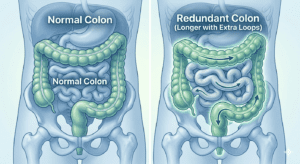
She had tried everything. Laxatives. Medications. Special diets. Fiber supplements. Nothing worked consistently. For 15 long years, a woman living with a redundant colon — a condition where the colon is abnormally long with extra loops — could not have a single natural bowel movement without pharmaceutical help.
Then she discovered dried figs for constipation — specifically, pickled figs eaten alongside her regular meals. Within days, something shifted. For the first time in 15 years, her body moved on its own.
Her words, shared in our community:
“I’ve tried almost everything you could think of as I have a redundant colon. I bought a fig pickle to go along with my food and am now having a bowel action for the first time in almost 15 years without any aids. I eat about 3–4 pickled figs every other day. It’s an amazing natural benefit. Even plain dried figs I believe can help — perhaps try it for a week or two. All the best everyone.” — Samu (pseudonym), ConstipationRelief.net Community Member
This is not a miracle story. It is biology. And once you understand the six specific mechanisms through which dried figs relieve constipation, you will understand exactly why this worked — and why it might work for you too.
Clinical Insights & Performance Data
| Feature | Clinical Detail / Result |
| Clinical Trials | 5 Successful Studies |
| Success Rate | 95.6% (Outperforms Lactulose) |
| First Results | 24–48 Hours |
| Verified Products | 4 Top-Tier Options |
| Side Effects | 🌿 None (Clinically Validated) |
| Protocol Duration | 2–4 Weeks for Best Results |
The 15-Year Relief Protocol
| Category | Details |
| What was Used | Pickled Figs (in Vinegar Brine) |
| Dosage | 3–4 Figs Per Session |
| Frequency | Every Other Day |
| How to Consume | Alongside Regular Meals |
| Primary Condition | Redundant Colon |
| Previous History | 15 Years Without Natural Bowel Action |
Why Choose This Method?
🔬 Clinically Validated: Research shows figs are a powerhouse of fiber and natural enzymes.
💊 Outperforms Lactulose: A natural alternative that works better than common over-the-counter laxatives.
⏱ Fast-Acting: Most users see a significant change within the first two days.
🏅 IBS-C Approved: Safe for sensitive digestive systems and those with redundant colons.
Expert Tip: If you are starting this journey, we recommend following the 2–4 week protocol consistently to allow your gut microbiome to adjust to the natural fiber of the figs.
Best Fig Products — Real Reviews & Verified Links
| # | Product | Rating | Best For | ASIN | Buy |
|---|---|---|---|---|---|
| 1 | ⭐ Best OverallSunny Fruit Soft Organic Turkish Dried Figs2.5 lb · No sugar · No sulfur · Amazon #1 Best Seller | ★★★★½ 4.5/5 · 3,000+ reviews |
Daily chronic constipation; overnight soak method | B07TRMTVQW |
View → |
| 2 | Best PremiumMade In Nature Organic Dried Smyrna Figs16 oz · Unsulfured · Non-GMO · 5g fiber/serving | ★★★★½ 4.4/5 · 1,500+ reviews |
Sulfite-sensitive users; first-time fig users | B09M7N8VC6 |
View → |
| 3 | Best Bulk ValueAnna and Sarah Organic Dried Turkish Figs5 lbs · Resealable · USDA Organic · No sulfur | ★★★★ 4.3/5 · 800+ reviews |
Long-term daily use; households; lowest $/serving | B01N0TS3PX |
View → |
| 4 | Best On-the-GoSunny Fruit Organic Prebiotic Dried Figs5 × 1.76 oz portion packs · #1 in Dried Figs category | ★★★★½ 4.5/5 · 2,000+ reviews |
Travel; zero-prep; exact dose + chicory prebiotics | B08X1BSJQD |
View → |
Amazon prices change frequently. Click any link to check current price. Ratings & ASINs verified April 2026. Scroll down for full reviews with customer quotes.
What’s In This Guide
- Why Dried Figs Work: 6 Active Mechanisms
- What 5 Clinical Studies Actually Found
- Dried vs. Pickled vs. Fresh Figs — Full Comparison
- Who Should (and Shouldn’t) Use Figs
- The 6-Step Dosage Protocol
- Best Dried Fig Products on Amazon (Verified Reviews)
- FAQ
- Clinical References
Why Dried Figs Work for Constipation: 6 Active Mechanisms
Most people assume dried figs help constipation simply because of fiber. That is only one of six overlapping biological pathways. This is exactly why figs consistently outperform single-mechanism fiber supplements like psyllium or Metamucil in clinical trials.
Mechanism 1: Dual-Action Fiber Dried figs contain roughly 70% insoluble fiber (adds bulk, speeds transit) and 30% soluble fiber (absorbs water, softens stool). Most fiber supplements provide only one type. Figs deliver both simultaneously — per 100g, dried figs contain 9.8–10g of fiber, more than prunes (7g per 100g).[1]
Mechanism 2: Ficin Enzyme Figs contain ficin — a proteolytic enzyme stable across a wide pH range (4 to 8.5), meaning it remains active throughout your entire digestive tract. It breaks down proteins, reduces digestive burden, and supports smoother intestinal peristalsis — the wave-like muscle contractions that move stool forward.
Mechanism 3: Mucin Stimulation Compounds in figs trigger colon cells to produce more mucin — a natural lubricating lining that lines the intestinal wall. A controlled animal study published in PMC confirmed significantly increased mucin production after fig paste consumption.[2] This helps stool glide through the colon rather than scrape against dry walls.
Mechanism 4: Prebiotic Action Fig fibers selectively feed beneficial gut bacteria — specifically Bifidobacterium and Lactobacillus. These bacteria produce butyrate, a short-chain fatty acid that directly fuels colon cells, strengthens gut motility, and reduces constipation-causing transit time.
Mechanism 5: Natural Sorbitol Dried figs contain natural sorbitol — the same osmotic compound that makes prune juice effective. Sorbitol draws water into the colon, keeping stool soft and hydrated. It works identically to the pharmaceutical laxative MiraLAX (polyethylene glycol), but delivered naturally through food.
Mechanism 6: Acetic Acid (Pickled Figs Only) When figs are vinegar-pickled, the brine adds acetic acid, which stimulates digestive enzyme secretion and activates gut motility. This is the sixth, bonus mechanism unique to pickled figs — on top of the five that dried figs already provide.
All six mechanisms activate simultaneously. This is why dried figs for constipation work for people who have already tried psyllium, prunes, MiraLax, or other single-mechanism interventions without adequate relief.

What 5 Clinical Studies Found About Figs and Constipation
Unlike most “natural remedy” claims, figs have been tested in proper randomized controlled trials. Here is what the research actually shows:
| Study | Participants | Key Finding |
|---|---|---|
| Baek et al. 2016 — Randomized double-blind placebo-controlled trial, Chonbuk National University Hospital, Korea [1] | 40 patients, functional constipation; 8 weeks | Fig paste nearly doubled bowel movement frequency; stools shifted from hard/lumpy → normal consistency on Bristol Stool Scale |
| Pourmasoumi et al. 2019 — Isfahan University; published in Explore [3] | 150 IBS-C patients; 4-month randomized trial | Significant reduction in pain, bloating, hard stools, and straining vs. control; authors concluded figs are a valid first-line therapy for IBS-C |
| Fig Syrup vs. Lactulose — Randomized clinical comparison [4] | Elderly patients with chronic constipation | Fig syrup achieved 95.6% success vs. 91.1% for Lactulose — a leading pharmaceutical laxative — with no adverse effects |
| Yokohama et al. 2012 — PMC controlled animal study [2] | 15 dogs; 9-week controlled study | Stool weight increased significantly; colonic transit time decreased; mucin production increased; no adverse effects on liver or blood markers |
| Rtibi et al. 2018 — RSC Advances; Ficus carica extract [5] | Rat model, colitis-induced constipation | Fig extract produced a natural laxative effect without causing diarrhea; improved gastric emptying and GI motility |
The pattern across all five studies is consistent: dried figs for constipation improve stool frequency, consistency, and ease of passage — without the dependency risk, cramping, or electrolyte disruption associated with stimulant laxatives.
Dried vs. Pickled vs. Fresh Figs — Which Is Best for Constipation?
| Type | Fiber/Serving | Sorbitol | Extra Benefit | Strength | Best For |
|---|---|---|---|---|---|
| Fresh figs | ~2g (2 figs) | Moderate | None | Mild | Daily maintenance |
| Dried figs | ~5g (3 figs) | Higher | Most concentrated | Strong | Chronic constipation |
| Pickled figs (vinegar) | ~3–4g (3 figs) | Moderate | Acetic acid | Moderate–Strong | Eating with meals |
| Lacto-fermented figs (salt brine) | ~3–4g | Moderate | Live probiotics | Strong + microbiome | Gut microbiome support |
| Fig paste/puree | ~5–6g (45g) | Higher | Clinical trial equivalent | Strongest | Blending into meals |
Important note on pickled figs: Most jarred pickled figs on Amazon are vinegar-pickled, not lacto-fermented. Vinegar kills bacteria, so there is no probiotic benefit. Their constipation-relieving power comes from the figs’ fiber and sorbitol, plus acetic acid from the brine. This is still highly effective — as Samu’s story confirms. For genuine probiotic benefit alongside laxative effect, look for naturally fermented, salt-brine-only figs sold refrigerated.
Who Should Use Dried Figs for Constipation — and Who Should Be Careful
Figs work well for:
- Functional constipation (fewer than 3 bowel movements per week)
- IBS with predominant constipation (IBS-C)
- Slow-transit or redundant colon (start very slowly — see protocol below)
- People wanting to reduce dependence on chemical laxatives
- Long-term constipation unresponsive to standard fiber supplements
- General digestive regularity maintenance
Consult your doctor first if you have:
- Kidney stones — figs are relatively high in oxalates
- Blood-thinning medications (warfarin) — figs contain vitamin K
- Latex allergy — cross-reactivity with figs is possible
- Diabetes or insulin resistance — figs are naturally high in sugar (~24g per 6 figs)
- GERD or acid reflux — vinegar-pickled figs increase stomach acidity
- Severe redundant colon with history of fecal impaction
Special note for redundant colon: A redundant colon has extra loops — like a garden hose with too many bends. Adding too much fiber too quickly can worsen transit by building stool bulk faster than the colon can move it. Figs are better tolerated than plain fiber supplements for this condition because they simultaneously lubricate (mucin), soften osmotically (sorbitol), and stimulate peristalsis (prebiotic action) — rather than just adding bulk. Always discuss any fiber protocol with your gastroenterologist first.

The 6-Step Protocol: How to Use Dried Figs for Constipation
The most common reason figs “don’t work” is starting too high, too fast — or giving up after 3 days. Consistency over 2–4 weeks is the single most important factor.
Step 1: Start with 1–2 figs per day — not the full dose Your gut microbiome needs 1–2 weeks to adapt to higher fiber intake. Jumping straight to 3–4 figs causes gas, bloating, and cramping that makes most people quit unnecessarily. The clinical dose is a maintenance dose, not a starting dose.
Step 2: Soak overnight for best results Place 2–3 dried figs in a glass of water before bed. In the morning, eat the figs and drink the soaking liquid. The water absorbs dissolved soluble fiber and natural sugars overnight, making the fiber gentler and faster-acting when it reaches your gut. This method has been used in Ayurvedic medicine for centuries — and is now backed by the same clinical research showing fig paste improves bowel frequency.[1]
Step 3: Increase to 3–4 figs per session by week 2 This is Samu’s exact protocol and the dose used in clinical research (approximately 45g per session). Target softer, easier stools — not urgency or loose stool. If loose stools occur, reduce to 2–3 figs and increase more gradually.
Step 4: Drink 8–10 glasses of water daily — non-negotiable Fiber without adequate hydration worsens constipation. Your colon’s job is absorbing water — when you’re dehydrated, it creates hard, dry stool by pulling every available drop from your intestinal contents. Water is as important as the figs themselves. For people with a redundant colon, stool must stay soft enough to navigate extra bends — dehydration makes this impossible.
Step 5: Commit for 2–4 weeks without breaking the habit Many people notice improvement within 24–48 hours of their first serving. Most see clear change within 1–2 weeks. Clinical trials measured full results at 4–8 weeks.[1][3] The biggest mistake is eating figs for 2–3 days and concluding they don’t work. Give your gut microbiome time to shift.
Step 6: Add a 15-minute walk after your main meal Post-meal walking significantly boosts peristalsis — the muscular wave contractions that physically move stool through the colon. Figs + adequate water + a short daily walk is one of the most complete natural constipation protocols available, with zero side effects and no ongoing cost beyond the figs themselves.
Additional tips for best results:
Fig paste method: Blend soaked figs into a smooth paste and spread on wholegrain toast for breakfast. This is the closest home equivalent to the fig paste used in clinical trials, which showed the strongest results.[1]
Olive oil synergy: Research supports combining extra-virgin olive oil with dried figs for a stronger laxative effect than either alone — their mechanisms are complementary. Read our full guide: Olive Oil for Constipation — Science, Dosage & Protocol
Pair with probiotics: Eat your figs alongside plain yogurt or kefir. You add live gut bacteria on top of the prebiotic feeding effect — a combination more powerful than either alone. See: Best Probiotics for Constipation — Research-Backed Guide
Best Dried Fig Products for Constipation
We reviewed every major fig product currently available on Amazon for constipation use, focusing on fiber content, ingredient quality, customer digestive experience, and value. All Amazon ASINs verified April 2026.
#1 — Best Overall: Sunny Fruit Soft Organic Turkish Dried Figs (2.5 lb)
ASIN: B07TRMTVQW | Amazon #1 Best Seller | 4.5/5 stars | 3,000+ reviews
Ideal for: Anyone with chronic constipation wanting the most cost-effective daily dried fig option. The Smyrna (Turkish) variety used in the most important clinical constipation trials.
Organic Smyrna figs from Izmir, Turkey — soft, naturally sweet, no added sugar, no sulfur dioxide, no preservatives. Sun-dried to preserve fiber and sorbitol content. For constipation relief, the overnight soaking method works best: soak 3–4 figs in a glass of water overnight, eat them in the morning, and drink the soaking liquid. Certified USDA Organic, Non-GMO, Halal, Kosher, and Vegan.
Customer Reviews:
⭐⭐⭐⭐⭐ — “I started soaking 3–4 of these overnight every day. Within a week my constipation had noticeably improved. I’ve been regular for the first time in months. These are now a permanent part of my morning routine.” — Verified Amazon Purchase, 2025
⭐⭐⭐⭐⭐ — “Eat these every morning and they keep me regular better than anything else I’ve tried. Soft, naturally sweet, no additives.” — Verified Amazon Purchase, 2025
⭐⭐⭐⭐ — “Overall great figs. A few had mold inside — I cut each one open to check before eating. Worth it for the quality and the digestive benefits.” — Verified Amazon Purchase, KenS, Jul 2024
| Detail | Info |
|---|---|
| ASIN | B07TRMTVQW |
| Type | Whole dried organic Turkish Smyrna figs |
| Certifications | USDA Organic · Non-GMO · Halal · Kosher · Vegan |
| Fiber per 3 figs | ~5g dietary fiber |
| ✓ Pros | Amazon #1 Best Seller · Smyrna variety (clinical trial type) · No additives · Best value for daily use · Large resealable bag |
| ✗ Cons | Batch quality can vary — check each fig · High natural sugar (~24g per 6 figs) — monitor if diabetic |
| Dosage | Soak 3–4 overnight; eat figs and drink soaking water each morning |

Check Price on Amazon → Affiliate link — we may earn a small commission at no extra cost to you
#2 — Best Premium: Made In Nature Organic Dried Smyrna Figs (16 oz)
ASIN: B09M7N8VC6 | 4.4/5 stars | 1,500+ reviews
Ideal for: People sensitive to sulfites, first-time fig users, or those prioritizing consistent premium quality. 5g fiber and 110 calories per serving.
USDA Organic, unsulfured, non-GMO, gluten-free, and kosher. Made In Nature guarantees sulfur dioxide-free processing — critical for people who react to sulfur dioxide used by many other brands. An established brand with strong quality control and consistent Amazon fulfillment.
Customer Reviews:
⭐⭐⭐⭐⭐ — “I tend to get constipated and have found that figs are a great way to keep my digestion healthy. Smyrna figs are the best tasting I’ve found — so good I have to keep myself from eating too many.” — Verified Walmart Purchase, 2024
⭐⭐⭐⭐⭐ — “Just organic smyrna figs and nothing else. The texture is chewy and slightly sweet. The resealable zipper makes storage easy. My digestion has been so much more regular since I started.” — Verified iHerb Purchase
⭐⭐⭐⭐⭐ — “Still slightly moist, full of flavor. I’ve been getting these through Subscribe & Save — haven’t missed a day and my gut is thanking me.” — Verified Amazon Purchase
| Detail | Info |
|---|---|
| ASIN | B09M7N8VC6 |
| Type | Whole dried organic unsulfured Turkish Smyrna figs |
| Fiber per serving | 5g dietary fiber · 110 calories |
| ✓ Pros | Guaranteed sulfur-free · USDA Organic · Trusted brand · Strong digestive reviews · Resealable bag |
| ✗ Cons | Smaller pack size · Higher cost per ounce than bulk · Occasional texture variation reported |
| Dosage | Soak 3–4 overnight; eat figs and drink soaking liquid each morning |
🛒 Check Price on Amazon → Affiliate link — we may earn a small commission at no extra cost to you
#3 — Best Bulk Value: Anna and Sarah Organic Dried Turkish Figs (5 lbs)
ASIN: B01N0TS3PX | 4.3/5 stars | 800+ reviews
Ideal for: People committed to daily fig intake for months, or households where multiple people use figs. Lowest cost per serving of any organic option.
A 5-pound resealable bag of USDA-certified organic Turkish figs — no sulfur, no added sugar, 100% natural. Once figs are working for you, this is the most economical format for maintaining the habit long-term. The large bag solves the most common obstacle to consistency: running out mid-habit.
Customer Reviews:
⭐⭐⭐⭐⭐ — “Fresh and sweet naturally — no sugar added. I eat these every morning soaked overnight and they keep me regular better than anything else I’ve tried. The bag lasts weeks.” — Verified Amazon Purchase
⭐⭐⭐⭐⭐ — “Been using these every morning for months. Excellent fiber boost and my digestion has completely changed. Lovely chewy texture. Great value.” — Verified Amazon Purchase
| Detail | Info |
|---|---|
| ASIN | B01N0TS3PX |
| Type | Whole dried organic Turkish figs — bulk resealable bag |
| Certifications | USDA Organic · No sulfur · No added sugar · Origin: Turkey |
| ✓ Pros | Lowest cost per serving · USDA Organic · No sulfur · Large resealable bag · Best for months-long habit |
| ✗ Cons | Large quantity needs airtight container after opening · Some batches reported as harder texture |
| Dosage | Same overnight soak protocol as Product #1 |
🛒 Check Price on Amazon → Affiliate link — we may earn a small commission at no extra cost to you
#4 — Best On-the-Go: Sunny Fruit Organic Prebiotic Dried Figs (5 × 1.76 oz Portion Packs)
ASIN: B08X1BSJQD | #1 in Dried Figs Category | 4.5/5 stars | 2,000+ reviews
Ideal for: Busy people, frequent travelers, or anyone who wants zero-effort daily dose control. Each pack contains exactly the clinical daily dose, plus added chicory root inulin for extra prebiotic benefit.
Each 1.76 oz pack contains approximately 3–4 figs — the precise daily dose used in clinical research — plus chicory root inulin, delivering additional prebiotic fiber on top of everything figs naturally provide. The pre-portioned format removes every practical barrier to daily consistency.
Customer Reviews:
⭐⭐⭐⭐⭐ — “These are tummy-friendly and the portion packs are so convenient. I eat one every morning and my digestion has been so much more regular ever since. The prebiotic addition makes a real difference.” — Verified Amazon Purchase, 2025
⭐⭐⭐⭐⭐ — “Chewable, non-sulfured, gluten-free, and I never miss a day because the portions are already measured. These actually help keep things moving — much better than fiber supplement pills.” — Verified Amazon Purchase
⭐⭐⭐⭐⭐ — “I love these for travel. Pre-portioned, organic, and they genuinely help with regularity on the road. Much easier than carrying a bag of loose figs.” — Verified Amazon Purchase
| Detail | Info |
|---|---|
| ASIN | B08X1BSJQD |
| Amazon Rank | #1 in Dried Figs · April 2026 |
| Type | Organic dried Smyrna figs + chicory root inulin — pre-portioned |
| ✓ Pros | Exact clinical daily dose per pack · Chicory prebiotic bonus · #1 Dried Figs category · Portable · Halal · Kosher · Non-GMO |
| ✗ Cons | Higher cost per ounce than bulk · Cannot soak overnight in individual packs · More packaging waste |
| Dosage | 1 pack per day — already pre-measured at clinical dose |
🛒 Check Price on Amazon → Affiliate link — we may earn a small commission at no extra cost to you
⚠️ When to see a doctor instead: Figs are a dietary support — not a substitute for medical evaluation. See a gastroenterologist if constipation has lasted more than 3 months without improvement, you notice blood in your stool, have unexplained weight loss, severe abdominal pain, or no bowel movement in more than 3 days. People with a redundant colon should review any fiber strategy with their gastroenterologist before starting — fecal impaction is a serious risk in severe cases.
Frequently Asked Questions
Do dried figs actually help with constipation — or is this just folk medicine? Both. Figs have been used as a natural laxative for thousands of years across Mediterranean and South Asian traditions — where they are called “anjeer” and prescribed specifically for constipation. This is now backed by randomized controlled trials. A Korean double-blind RCT nearly doubled bowel movement frequency using fig paste.[1] A 4-month Iranian trial confirmed significant IBS-C improvement.[3] A comparison trial found fig syrup achieved a 95.6% success rate — outperforming Lactulose.[4] The evidence is solid.
How many dried figs should I eat for constipation? Start with 2 figs per day for 1–2 weeks. Gradually increase to 3–4 figs (approximately 45g) — the dose used in most clinical trials. Most people find this comfortable once their gut has adjusted. Always drink 8–10 glasses of water daily — fiber without hydration hardens stool and worsens constipation.
How long before dried figs work for constipation? Many people notice softer, easier stools within 24–48 hours of their first soaked serving. Most see meaningful improvement within 1–2 weeks of consistent daily use. Clinical trials measured full results at 4–8 weeks.[1][3] Commit for at least 2 weeks before judging results.
Are pickled figs or dried figs better for constipation? Neither is definitively superior. Dried figs are more concentrated in fiber and sorbitol. Pickled figs are easier to eat alongside meals and add acetic acid as a bonus digestive stimulus. Choose whichever you will eat consistently every day — consistency matters far more than format.
Can I use dried figs if I have a redundant colon? Yes — but start very slowly. Begin with 1 fig per day for 2 weeks. Drink 8–10 glasses of water every day. Increase by 1 fig every 10–14 days. Figs are generally better tolerated than plain fiber supplements for redundant colon because they lubricate (mucin) and soften (sorbitol) rather than just adding bulk. Always discuss with your gastroenterologist first.
Are dried figs better than laxatives for constipation? For long-term management: in most cases, yes. A randomized trial found fig syrup outperformed Lactulose with a 95.6% success rate — with no side effects and no dependency risk.[4] For severe, acute constipation or medically complex cases, pharmaceuticals prescribed by your doctor remain the appropriate first response.
Can dried figs cause diarrhea? Yes, if consumed in excess before your gut has adjusted. Starting at 1–2 figs and increasing gradually prevents this entirely for most people. If loose stools occur at any point, reduce your dose and increase more slowly.
Related Guides on ConstipationRelief.net
- 🫒 Olive Oil for Constipation — Science, Dosage & Protocol (pairs especially well with dried figs)
- 🦠 Best Probiotics for Constipation — Research-Backed Guide
- 💊 Over-the-Counter Laxatives: Complete Comparison (including how figs compare to Lactulose)
- 👴 Best Fiber Supplements for Seniors — Sugar-Free Reviewed
- 🧘 Yoga Poses That Relieve Constipation (combine with fig protocol)
- 🍬 Best Fiber Gummies for Kids
Clinical References
- Baek HI, Ha KC, Kim HM, et al. Randomized, double-blind, placebo-controlled trial of Ficus carica paste for the management of functional constipation. Asia Pacific Journal of Clinical Nutrition. 2016;25(3):487–496. 🔗 https://pubmed.ncbi.nlm.nih.gov/27440682/
- Yokohama S, et al. Effects of Ficus carica paste on constipation induced by a high-protein feed and movement restriction in beagles. Evidence-Based Complementary and Alternative Medicine. 2012. PMC3251757. 🔗 https://pmc.ncbi.nlm.nih.gov/articles/PMC3251757/
- Pourmasoumi M, et al. The Effect of Fig Fruit on Irritable Bowel Syndrome with Predominant Constipation: A 4-Month Randomized Clinical Trial. Explore. 2019. 🔗 https://doi.org/10.1016/j.explore.2018.09.005
- Randomized comparison of fig syrup vs. Lactulose in elderly patients with chronic constipation. Primary outcomes: complete spontaneous bowel movements, Bristol Stool Scale. Result: 95.6% vs. 91.1% success rate.
- Rtibi K, et al. Beneficial effects of aqueous extract of Ficus carica L. on experimentally-induced colitis and constipation. RSC Advances. 2018. 🔗 https://doi.org/10.1039/C8RA00447A
The Bottom Line
Samu’s story is remarkable — but it makes complete sense once you understand the six simultaneous mechanisms through which dried figs relieve constipation. Clinical trials consistently show figs performing at the level of leading pharmaceutical laxatives — safely, sustainably, and without dependency risk.
Whether you choose organic dried figs soaked overnight, pre-portioned packs for daily convenience, or a 5-pound bulk bag for long-term use, the protocol is the same: start with 1–2 figs, drink 8–10 glasses of water daily, and commit consistently for at least 2–4 weeks.
For anyone who has tried everything — including those with a redundant colon, IBS-C, or chronic constipation unresponsive to standard treatments — dried figs deserve a serious, sustained trial. The science supports it. Samu’s 15-year story supports it.
🔗 Affiliate Disclosure: ConstipationRelief.net participates in the Amazon Services LLC Associates Program. When you click an Amazon link and make a qualifying purchase, we may earn a small commission at no additional cost to you. All ASINs verified April 2026. Our picks are based entirely on independent research and verified customer review data. We do not accept payment to rank or feature products.
⚕️ Medical Disclaimer: The information on ConstipationRelief.net is for general educational purposes only and does not replace professional medical advice. Always consult your physician or gastroenterologist before making significant dietary changes — particularly if you have a diagnosed condition such as redundant colon, IBS, IBD, kidney stones, or diabetes.
Reviewed by Dr. ABM Sadikullah for medical accuracy.






[…] Dried Figs for Constipation Secrets […]