


Quick Summary: Constipation is primarily a lifestyle and dietary disorder — and the most effective long-term solutions are natural, non-pharmaceutical approaches. This article covers the strongest evidence-based natural remedies, including dietary changes, herbal options, Ayurvedic preparations, and key safety precautions, all backed by published research.
Constipation has become one of the most common digestive problems worldwide, affecting people of all ages and lifestyles. According to research published in Gastroenterology & Hepatology, chronic constipation is not only a medical issue but also a lifestyle-related disorder influenced by diet, stress, and modern living habits.[1]
Many people in developing countries rely on natural and herbal remedies for constipation because they are accessible, generally safe for long-term use, and effective when used correctly. At the same time, growing clinical research from Western gastroenterology supports many of these traditional approaches — while also identifying evidence-based additions such as psyllium, kiwifruit, and probiotics.
What Is Constipation? Clinical Definition
Researchers define constipation not merely as infrequent bowel movements but as a condition involving one or more of the following for at least 3 months:[2]
- Fewer than 3 spontaneous bowel movements per week
- Hard, dry, or lumpy stools on ≥25% of bowel movements
- Straining on ≥25% of bowel movements
- Sensation of incomplete evacuation on ≥25% of movements
- Need for manual maneuvers to facilitate defecation
Chronic constipation, if ignored, can lead to serious complications such as hemorrhoids, anal fissures, rectal prolapse, and fecal impaction. For a complete breakdown of contributing factors, see our guide: Causes of Constipation.
Causes: Diet, Lifestyle, Stress, and Medications
The research points to constipation as largely a result of modifiable daily habits and environmental factors:[1]
| Category | Contributing Factors |
|---|---|
| Dietary | Low fiber intake, inadequate water, excess processed foods, tea/coffee overconsumption, irregular meal timing |
| Lifestyle | Sedentary behavior, ignoring urge to defecate, irregular sleep schedule |
| Psychological | Stress, anxiety, depression, insomnia — all shown to slow gut motility via the gut-brain axis |
| Medications | Opioid pain relievers, iron supplements, antidepressants (especially tricyclics), antacids containing aluminum, certain blood pressure medications |
| Medical conditions | Hypothyroidism, diabetes, Parkinson’s disease, multiple sclerosis, IBS-C, pelvic floor dysfunction |
| Age | Elderly individuals are particularly vulnerable due to reduced physical activity, medication use, and decreased gut motility |
Dietary and Lifestyle Remedies
The research is clear: dietary correction is the foundation of constipation treatment. Non-drug interventions should always be the first approach for mild to moderate constipation.
1 Increase Dietary Fiber — Gradually
The most important dietary change is increasing fiber from whole plant foods. Adults need 25–35 grams of fiber per day, but most consume only 10–15 grams. A 2024 clinical review confirmed that increasing fiber intake from whole foods and supplements significantly improves stool frequency and consistency.[3]
Best fiber-rich foods for constipation: prunes, kiwifruit, chia seeds, lentils, oats, wheat bran, apples (with skin), avocado, and leafy greens. See our complete guide: Best Fiber Foods and Fiber Therapy for Gut Health.
2 Adequate Hydration
Dehydration is one of the most common and easily correctable causes of constipation. When the body is under-hydrated, the colon absorbs excess water from stool, resulting in hard, dry stools. The Mayo Clinic consistently emphasizes hydration as a foundational intervention.
Daily fluid targets: Women need approximately 2.7 litres total fluid; men approximately 3.7 litres (including fluid from food sources). Plain water should be the primary source. Warm water with lemon juice or coconut water in the morning are particularly effective for activating the gastrocolic reflex.
3 Regular Physical Activity
Sedentary behavior directly slows intestinal transit time. A meta-analysis found that even 20–30 minutes of moderate walking per day significantly reduced constipation symptoms in adults.[2] Physical movement increases blood flow to the gastrointestinal tract and mechanically stimulates peristalsis.
Yoga poses that involve abdominal compression (knees-to-chest, seated twist) are particularly effective at stimulating the colon. See: 12 Fast Constipation Relief Remedies — Including Exercise.
4 Consistent Toilet Habits and Bowel Training
The gastrocolic reflex — the colon’s increased activity 20–30 minutes after meals — is strongest in the morning. Establishing a consistent morning routine (warm drink → breakfast → unhurried time in the bathroom) trains the body’s natural rhythm. Never suppress the urge to defecate; repeated suppression progressively weakens the reflex and raises the rectal threshold.
Herbal and Ayurvedic Remedies
Traditional herbal medicine has centuries of documented use for digestive health. A peer-reviewed research paper published in an Indian medical journal[1] provides a systematic review of traditional preparations that have been safely used for generations. From an Ayurvedic perspective, constipation is associated with an imbalance of Vata dosha — which causes dryness in the intestines and reduced digestive motility.
Bulk-Forming Herbal Laxatives (Safe for Long-Term Use)
| Herb/Preparation | How It Works | Dosage | Safety |
|---|---|---|---|
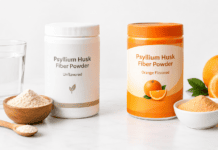
| Psyllium Husk (Isabgol) — Plantago ovata | Absorbs water in the gut; forms a lubricating gel that softens stool and adds bulk | 1–2 tsp (5–10g) in 250ml water, 1–3× daily | ✅ Excellent — safe for long-term use; FDA-approved as OTC laxative |
| Flaxseeds (Alsi) — Linum usitatissimum | Soluble and insoluble fiber; mucilaginous coating lubricates the bowel | 1–2 tbsp ground (not whole) per day in water or food | ✅ Safe; must be ground for bioavailability |
| Fenugreek Seeds (Methi) — Trigonella foenum-graecum | High mucilage content; softens stool and reduces straining | 1–2 tsp soaked overnight, taken with warm water in morning | ✅ Safe; may lower blood sugar (caution for diabetics) |
🛒 Psyllium Husk on Amazon 🛒 Psyllium Fiber (Metamucil) on Amazon
Ayurvedic Formulations
| Preparation | Key Ingredients | Traditional Use | Evidence Level |
|---|---|---|---|
| Triphala Churna | Amalaki, Bibhitaki, Haritaki (3 fruits) | Gentle bowel tonic; improves motility without causing dependency | Moderate — several clinical studies support laxative effect[4] |
| Avipattikar Churna | Multiple herbs + rock salt | Cooling digestive tonic; reduces acidity alongside constipation | Traditional; limited RCT data |
| Gandharva Haritaki | Haritaki + castor oil | Mild laxative for Vata-type constipation (hard, dry stools) | Traditional; limited RCT data |
| Abhayarishta | Haritaki-based liquid formulation | Improves bowel regularity; used in chronic constipation | Traditional; limited RCT data |
Stimulant Herbal Laxatives (Short-Term Use Only)
| Herb | Active Compound | Maximum Duration | Contraindications |
|---|---|---|---|
| Senna (Cassia angustifolia) | Anthraquinone glycosides (sennosides) | 7 days maximum | Pregnancy, children under 6, IBD, bowel obstruction, kidney disease |
| Aloe Vera (whole leaf latex) | Anthraquinone (aloin) | 10 days maximum | Pregnancy, breastfeeding, children, kidney disease, IBD. Use only inner-leaf gel — NOT whole leaf/latex |
| Cascara Sagrada | Anthraquinones | 7 days maximum | Same as senna; FDA removed OTC approval in 2002 due to safety concerns |
🛒 Inner-Leaf Aloe Vera Supplement (Low Aloin) on Amazon
Western Evidence-Backed Natural Remedies
Beyond traditional herbal medicine, several natural remedies have been validated in rigorous clinical trials. These represent the strongest evidence base for non-pharmaceutical constipation treatment.
| Remedy | Clinical Evidence | Dose | Reference |
|---|---|---|---|
| Prunes (dried plums) | RCT: more effective than psyllium for mild-moderate constipation | 50–100g/day (5–10 prunes) | PMID: 21323688 |
| Psyllium husk | Systematic review: Grade A recommendation for chronic constipation | 7–10g/day in 250ml water | PMID: 35816465 |
| Kiwifruit | Multiple RCTs: improves stool frequency and consistency | 2 green kiwis/day | PMID: 40888045 |
| Probiotics (B. lactis) | Meta-analysis: increases bowel frequency by 1.3×/week | 1–10 billion CFU/day | PMID: 24695892 |
| Magnesium (citrate/glycinate) | Osmotic effect: draws water into colon, softens stool | 200–400mg/day | PMID: 26404361 |
| Prebiotics (FOS) | Meta-analysis of 17 RCTs: improves stool frequency | 5–10g FOS/day | PMID: 39766936 |
🛒 Magnesium Glycinate on Amazon 🛒 Top-Rated Probiotic on Amazon
Safety Precautions: Who Should Be Careful
Not all natural remedies are appropriate for everyone. The research specifically cautions the following groups:[1]
| Group | Special Considerations |
|---|---|
| Pregnant women | Avoid stimulant laxatives (senna, aloe vera latex, cascara). Psyllium, dietary fiber, and adequate hydration are safe. Always consult your OB. |
| Children under 6 | Avoid all stimulant herbal laxatives. Dietary fiber, hydration, and physical activity are the appropriate first-line approaches. |
| Kidney disease | Avoid high-dose magnesium supplements; magnesium accumulates and can reach toxic levels. Avoid stimulant herbs that cause electrolyte loss. |
| IBS (Irritable Bowel Syndrome) | Avoid very high insoluble fiber intake, which can worsen symptoms. Soluble fiber (psyllium) is generally better tolerated in IBS. |
| Inflammatory Bowel Disease (IBD) | Do not use stimulant laxatives or strong herbal preparations during active flares. Consult a gastroenterologist. |
| Elderly (65+) | Bulk-forming fibers and osmotic agents are preferred. Stimulant laxatives carry higher risk of dehydration and electrolyte imbalance. |
When to See a Doctor
🚨 Seek medical evaluation if you experience:
- Blood in or on the stool (any amount)
- Constipation persisting more than 3 weeks despite dietary changes
- Unexplained weight loss alongside digestive changes
- Severe abdominal pain or cramping
- New-onset constipation in adults over 50 (colonoscopy screening recommended)
- Alternating constipation and diarrhea (may indicate IBS or other conditions)
- Signs of fecal impaction: inability to pass stool despite urge, nausea, bloating
Frequently Asked Questions
Q: Which herbal remedy is safest for long-term daily use?
Psyllium husk (Isabgol) is the safest and most evidence-backed option for daily, long-term use. It is non-stimulant, non-habit forming, and FDA-approved. Triphala Churna also has a good safety profile for longer-term use. Stimulant herbs (senna, aloe latex) should be reserved for occasional, short-term relief only.
Q: Can I use senna every day?
No. Clinical guidelines and FDA recommendations advise against using senna for more than 7 consecutive days. Long-term daily use can cause melanosis coli (harmless dark discoloration of the colon), but more seriously, can progressively weaken colon muscle tone and create laxative dependency.
Q: Is aloe vera juice safe for constipation?
It depends on which part of the aloe plant is used. Inner-leaf aloe vera gel is generally safe and soothing to the digestive lining. Whole leaf aloe or aloe latex (the yellow substance just beneath the outer skin) contains aloin — a powerful stimulant anthraquinone that should not be consumed regularly. Always choose inner-leaf, low-aloin certified products.
Q: How long does it take for natural remedies to work for constipation?
This varies by remedy: prune juice typically works within 1–6 hours; psyllium and fiber supplements within 12–72 hours; probiotics and dietary changes may take 2–4 weeks of consistent use for full benefit.
Q: Does stress really cause constipation?
Yes — through the well-documented gut-brain axis. Chronic psychological stress triggers cortisol release, which suppresses parasympathetic nervous system activity (“rest and digest”), reduces gut motility, and can cause intestinal spasm. Managing stress through mindfulness, adequate sleep, and physical activity is a genuine, evidence-based component of constipation treatment.
Research References
- Yadav RK, et al. (2019). Constipation: Causes, Treatment and Natural Remedies. International Journal of Applied Research. PMC6339668
- Bharucha AE, et al. (2020). American Gastroenterological Association Medical Position Statement on Constipation. Gastroenterology. PMID: 31470006
- Foods, drinks and diets and their effect on chronic constipation (2024). PMID: 37905980
- Peterson CT, et al. (2017). Effects of Turmeric and Curcumin Dietary Supplementation on Human Gut Microbiota: A Double-Blind, Randomized, Placebo-Controlled Pilot Study. Journal of Evidence-Based Integrative Medicine. Triphala clinical study: PMID: 28696777
- Attaluri A, et al. (2011). Dried plums vs psyllium for constipation — RCT. PMID: 21323688
- Rao SSC, et al. (2022). Psyllium fiber for chronic constipation — systematic review. PMID: 35816465
- Dimidi E, et al. (2014). The effect of probiotics on functional constipation. American Journal of Clinical Nutrition. PMID: 24695892
- Bothe G, et al. (2017). Magnesium-rich mineral water for constipation — RCT. European Journal of Nutrition. PMID: 26404361
- FOS meta-analysis — 17 RCTs for functional constipation (2024). PMID: 39766936
- Mayo Clinic. Constipation — Symptoms and Causes. mayoclinic.org
Related reading on constipationrelief.net:
- 🔗 Fast Constipation Relief at Home: 12 Natural Ways
- 🔗 Best Fiber Foods and Fiber Therapy for Gut Health
- 🔗 Best OTC Laxatives for Constipation in the US
- 🔗 5 Best Magnesium Supplements for Constipation
- 🔗 9 Best Probiotic Supplements 2026
- 🔗 Chronic Constipation Treatment: Science-Backed Strategies
- 🔗 Coconut Water for Constipation: Real Success Story






[…] For a broader overview of natural approaches to constipation, see our natural constipation remedies guide. […]
[…] Fiber supplements are usually the first step recommended by healthcare professionals for managing constipation naturally before stronger treatments are […]