

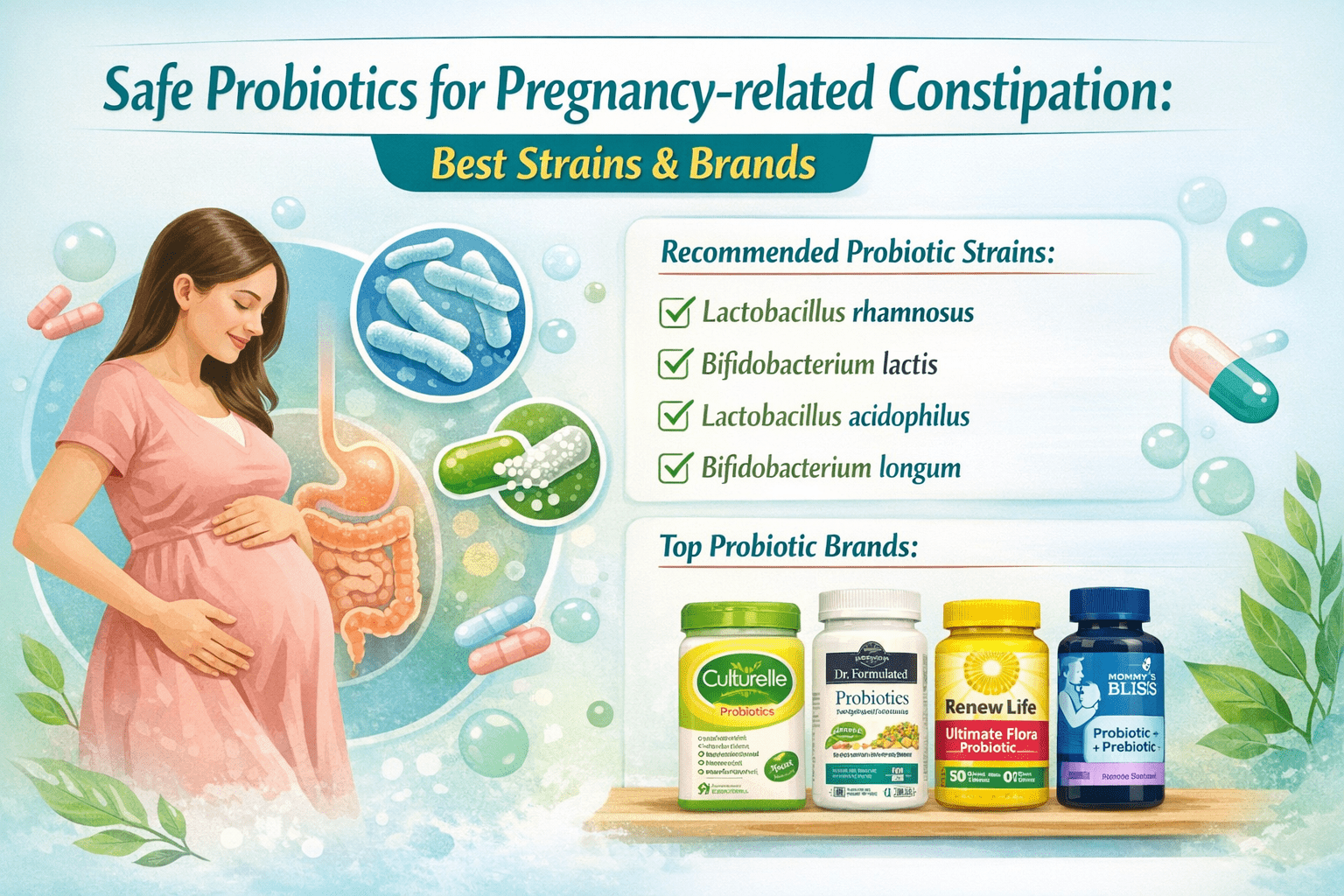
Pregnancy is one of the most physiologically transformative periods of a woman’s life. While it brings joy and anticipation, it also brings a host of uncomfortable physical symptoms — and pregnancy-related constipation is among the most common and least discussed. Research estimates that between 11% and 38% of pregnant women experience constipation at some point, making it far more prevalent than many other gestational complaints. Yet for many, it remains a source of silent discomfort because they fear that any treatment might harm their developing baby.
This concern is entirely justified. During pregnancy, the bar for any therapeutic intervention — natural or pharmaceutical — is set considerably higher. What is safe for a non-pregnant adult may not be safe for a developing fetus. This is why finding safe probiotics for pregnancy-related constipation that have been specifically studied in pregnant populations is so important.
Probiotics for prenatal digestive health have emerged as one of the most promising, safest, and best-studied interventions. Unlike stimulant laxatives (which can cause uterine contractions) or osmotic agents, safe probiotics work with the body’s own microbiome to restore natural bowel function. But not all supplements are created equal — and pregnancy requires that we choose specific probiotic strains for constipation relief that have been rigorously tested.
This comprehensive guide draws on the latest clinical evidence, including randomized controlled trials (RCTs) published in peer-reviewed journals like Beneficial Microbes, Gut Microbes, and MDPI Nutrients, to give you a complete, science-first resource on using safe probiotics for pregnancy-related constipation effectively.
Understanding Pregnancy-Related Constipation: Why Safe Probiotics are Part of the Solution
1.1 What Happens to Your Gut During Pregnancy?
The gastrointestinal system undergoes profound changes during pregnancy. These changes are driven by hormonal shifts, physical pressure from the growing uterus, nutritional changes, and alterations in the gut microbiome itself. Understanding why constipation happens during pregnancy is the first step toward choosing the right treatment.
Progesterone and Gut Motility
Progesterone, the hormone that surges dramatically in the first trimester to support the pregnancy, has a well-known relaxing effect on smooth muscle. This is necessary to prevent uterine contractions that might threaten the pregnancy — but unfortunately, the gastrointestinal tract is also made of smooth muscle. As a result, colonic transit time (the speed at which digested matter moves through the large intestine) increases significantly during pregnancy.
Studies using radiopaque markers have shown that colonic transit time can increase by up to 30–40% in pregnant women compared to non-pregnant controls. This means food stays in the colon longer, more water gets absorbed, and stools become harder, drier, and more difficult to pass.
Physical Compression
As the uterus expands through the second and third trimesters, it physically compresses the large intestine, rectum, and sigmoid colon. This external pressure alters the normal mechanical flow of stool, causing backup and increasing the sensation of incomplete evacuation.
Iron Supplementation
Almost all prenatal vitamins contain iron, and iron supplementation is one of the most well-established causes of constipation. Iron directly irritates the gastrointestinal lining and alters the gut microbiome in ways that reduce beneficial bacteria and slow bowel motility. A 2023 review noted that iron-related gut microbiome dysbiosis is a significant contributing factor to constipation in pregnant women taking standard prenatal supplements.
Microbiome Changes in Pregnancy
Pregnancy itself changes the gut microbiome. Research published in Gut Microbes (2023) has shown that pregnant women have significantly different microbiome compositions compared to non-pregnant women, with reduced microbial diversity in the third trimester. Specifically, beneficial bacteria like Bifidobacterium and Lactobacillus species tend to decrease, while constipation-associated microbes may increase.
The Science of Probiotics: How They Relieve Constipation
Before selecting a probiotic, it is critical to understand the mechanisms by which probiotics work in the gut. This helps you select strains that target the specific causes of your constipation and evaluate whether a product’s claims are scientifically justified.
2.1 Short-Chain Fatty Acid (SCFA) Production
One of the most well-established mechanisms is the production of short-chain fatty acids (SCFAs) — particularly butyrate, acetate, and propionate — through the fermentation of dietary fiber by Bifidobacterium and Lactobacillus strains. According to a comprehensive review in Frontiers in Nutrition (2022), SCFAs serve multiple constipation-relieving functions: they increase the water content of stool, making it softer and easier to pass; they directly stimulate gut motility by interacting with intestinal smooth muscle cells via free fatty acid receptors (FFAR2 and FFAR3); they lower luminal pH, which inhibits pathogenic bacteria and promotes motility; and they provide energy to colonocytes (colon lining cells), improving overall gut function and barrier integrity.
2.2 Serotonin Pathway Stimulation
Approximately 90–95% of the body’s serotonin (5-HT) is produced in the gastrointestinal tract, not in the brain. Serotonin is a critical regulator of gut motility — when enterochromaffin cells in the gut lining release serotonin, it triggers peristalsis (the wave-like contractions that move stool forward). Research in Frontiers in Nutrition has shown that specific probiotic strains, particularly Lactobacillus species, can stimulate serotonin production via the tryptophan-5-HTP pathway. By increasing available serotonin in the gut, these probiotics directly enhance colonic motility. This mechanism is especially relevant during pregnancy, when progesterone may be blunting normal serotonergic signals.
2.3 Bile Acid Metabolism
Bile acids play a crucial role in gut motility. Primary bile acids produced by the liver are converted by gut bacteria into secondary bile acids, which stimulate colonic motility. Probiotic strains from both Bifidobacteria and Lactobacilli genera increase bile acid metabolism through deconjugation, leading to higher levels of secondary bile acids in the colon, which stimulate peristalsis.
2.4 Gut Microbiome Diversity Restoration
A landmark 2024 clinical trial published in Beneficial Microbes (ChiCTR2100052069) investigated probiotic supplementation specifically in pregnant women with constipation. The trial found that probiotic treatment significantly improved gut microbiota diversity. At the phylum level, beneficial Firmicutes and Actinobacteria increased, while potentially constipating Bacteroidetes decreased. At the genus level, beneficial bacteria including Faecalibacterium, Bifidobacterium, and Phascolarctobacterium all increased significantly. The study concluded that probiotics were more effective than diet and lifestyle modifications alone in treating constipation during pregnancy.
2.5 Mucin Production and Gut Barrier Integrity
Probiotics increase mucin production by goblet cells in the intestinal lining. Mucin is the slippery protein that lines the gut wall and helps stool slide through more easily. Additionally, probiotics enhance tight junction protein expression, improving the gut barrier — which reduces inflammation and the leaky gut syndrome that can worsen constipation and GI discomfort in pregnancy.
Evidence-Based Relief: Are Safe Probiotics for Pregnancy-Related Constipation Effective?
This is the question that matters most to pregnant women — and the evidence is reassuring. A major 2021 systematic review and meta-analysis published in PMC (National Institutes of Health) analyzed 100 clinical studies including 95 randomized controlled trials (RCTs) examining probiotic and prebiotic use during pregnancy and lactation.
3.1 Overall Safety Profile
The systematic review found that 62.1% of RCTs had a low risk of bias, and the overall safety profile of probiotics in pregnancy was favorable. While 20 different adverse effects were reported across 11 studies, the vast majority were minor gastrointestinal symptoms including nausea, diarrhea, and bloating — effects that were not significantly different from the placebo groups in most trials.
A 2024 review published in MDPI Foods by researchers with over 30 years of clinical probiotic trial experience concluded: probiotic trials involving pregnant or lactating women have generally shown these products to be well-tolerated and safe, although minor adverse effects may occur in some individuals.
3.2 Impact on Birth Outcomes
Crucially for pregnant women, multiple systematic reviews have confirmed that probiotic supplementation has no significant negative impact on birth outcomes. A meta-analysis of 25 RCTs found that probiotic administration had neither a positive nor negative impact on gestational age at birth, cesarean section rates, or birth weight. Earlier research reviewing 37 studies from 1990 to 2011 found no severe adverse events, concluding that tested probiotic strains were safe and well-tolerated.
3.3 Which Strains Have the Best Safety Record in Pregnancy?
The strains with the longest safety record in human pregnancy trials include: Lactobacillus rhamnosus GG (LGG) — studied in multiple RCTs involving pregnant women with no malformations, low birth weight events, or preterm deliveries reported; Bifidobacterium animalis subsp. lactis — extensively studied with consistent safety findings across adult and pregnant populations; Lactobacillus acidophilus — one of the most widely used strains with decades of safety data; Lactobacillus reuteri — used in both maternal and infant populations with a strong safety profile; and Bacillus coagulans — spore-forming stability makes it particularly resilient, studied for IBS and constipation in pregnant contexts.
3.4 Important Cautions
⚠️ When to Consult Your Doctor Before Taking Probiotics
- Severely immunocompromised status (HIV, cancer treatment, organ transplant)
- History of or current risk for preterm birth
- Short bowel syndrome or compromised gut barrier
- Severe valvular heart disease (very rare risk of bacteremia)
- Known allergy to probiotic product ingredients (dairy, soy, gluten)
- Taking antibiotics: time probiotics 2 hours apart from antibiotic doses
- NOTE: Probiotics are NOT recommended for preterm infants (FDA warning, 2023)
When it comes to safe probiotics for pregnancy-related constipation, several high-quality clinical trials suggest that they are not only effective but also have a high safety profile for both mother and baby…
Top 6 Probiotics for Pregnancy-Related Constipation: Science-Based Reviews
Each product below is evaluated on: (1) clinical evidence for its specific strains, (2) pregnancy safety data, (3) product quality indicators, (4) real-world user experience, and (5) value for money. Amazon ratings and prices are current as of March 2026.
| #1 — Culturelle Digestive Daily Probiotic (LGG — 10 Billion CFU) |
| Overall Rating: ★★★★★ Best for First-Time Pregnancy Probiotic Users | Key Strains: Lactobacillus rhamnosus GG (LGG)
CFU Count: 10 Billion CFU/day | Approx. Price: ~$18–$22 / 30 capsules | 🛒 Buy on Amazon |
| 🔬 Clinical Evidence Summary
• Single-strain only — does not provide the microbiome diversity of multi-strain products • Works best for gut-barrier-related constipation; slower onset for transit-speed constipation vs. B. lactis • May cause mild bloating in the first 1–2 weeks as gut adjusts |
| Why This Is the #1 Pregnancy-Safe Pick: When it comes to pregnancy specifically, LGG has no peer in terms of documented safety. Culturelle Digestive Daily delivers the clinically proven dose of 10 billion CFU in a single, clean vegetarian capsule. It contains no dairy, gluten, soy, or preservatives — making it one of the cleanest options available for pregnant women with dietary sensitivities or allergy concerns. |
| The product has consistently held the Amazon Best Seller rank in digestive probiotic supplements, driven by its pediatrician and OB/GYN recommendations. It is the probiotic most likely to be suggested by your own healthcare provider, which means discussing its use in pregnancy is an easy, productive conversation. |
| Constipation Mechanism: LGG primarily relieves pregnancy constipation by repairing gut barrier integrity and increasing mucin production — mechanisms particularly relevant for iron-supplement-related constipation, where the gut lining is directly irritated. For women experiencing constipation alongside bloating, cramping, or a sense of incomplete evacuation (common during pregnancy), LGG’s anti-inflammatory gut-barrier effects can be transformative. |
| Expected Timeline: Most women report consistent improvement in stool consistency and frequency within 2–3 weeks of daily use, consistent with LGG’s clinical trial timelines. |
| ✅ PROS
✓ LGG is the world’s most-studied probiotic strain: 1,000+ published clinical studies over 30 years ✓ Specifically studied in pregnant women (53-woman RCT): no malformations, normal birth weight, no preterm deliveries ✓ Canadian researchers gave LGG Level I evidence for pregnancy safety — the highest possible rating ✓ Strengthens gut tight junction proteins (occludin, claudin), healing leaky gut and restoring enteric nerve signaling ✓ Increases mucin production, lubricating the colon for easier stool passage ❌ CONS ✗ 10 Billion CFU — clinically validated dose per leading GI research ✗ No refrigeration required — shelf-stable at room temperature ✗ Gluten-free, dairy-free, soy-free, vegetarian capsule ✗ CFU guaranteed through expiration date (not just manufacture) ✗ Widely available in US pharmacies and Amazon Prime ✗ 30+ years of safety data — longest track record of any probiotic |
| #2 — Align Probiotic 24/7 Digestive Support (B. longum 35624) |
| Overall Rating: ★★★★★ #1 Doctor & Gastroenterologist Recommended Brand | Key Strains: Bifidobacterium longum subsp. longum 35624™
CFU Count: 1 Billion CFU (effective dose guaranteed to expiry) | Approx. Price: ~$23–$30 / 28–63 capsules | 🛒 Buy on Amazon |
| 🔬 Clinical Evidence Summary
• Lower CFU count (1 billion) than competing products — though clinical evidence supports this as the effective dose for this specific strain • Contains sodium caseinate (milk derivative) — not suitable for vegans or strict dairy-free diets • Primarily targets microbiome balance rather than rapid transit speed — slower onset than B. lactis HN019 |
| Why Gastroenterologists Trust This Formula: Align’s Bifidobacterium 35624 was selected from over 1,500 bacterial candidates specifically for its ability to survive GI transit and colonize the colon effectively. This careful strain selection is reflected in the clinical evidence: 4 out of 5 users in controlled surveys reported feeling more confident about their digestive health after using Align. |
| For Pregnancy: The scientific case for B. longum supplementation during pregnancy is particularly compelling because this is literally one of the beneficial species that pregnancy depletes. Supplementing with Align during pregnancy essentially replaces bacteria that progesterone and microbiome changes are removing. This is not just treating a symptom — it is addressing a specific biological deficit that pregnancy creates. |
| Constipation Profile: Align is best suited for pregnancy constipation characterized by irregular, incomplete bowel movements and gut microbiome imbalance — as opposed to acute slow-transit constipation where faster-acting SCFA-producing strains (B. lactis HN019) may produce more immediate results. Many pregnant women find Align most effective when combined with dietary fiber, as B. longum requires fiber substrate to produce its constipation-fighting SCFAs. |
| For more severe constipation, consider Align Extra Strength (5 Billion CFU) — Amazon ASIN B07K98GCXM — which delivers 5× the live bacteria of the standard formulation. |
| Expected Timeline: Clinical research suggests 3–4 weeks of consistent use for consistent bowel improvement with B. longum strains. Align is designed for long-term daily use, not quick relief. |
| ✅ PROS
✓ Bifidobacterium 35624 developed by gastroenterologists; backed by 20+ years of dedicated clinical research ✓ RCT in American Journal of Gastroenterology (2023): BB536 strain of B. longum significantly improved bowel frequency ✓ B. longum is one of the bacterial species that naturally DECREASES in pregnancy microbiome — making supplementation physiologically logical ✓ Efficiently ferments complex polysaccharides, producing acetate/lactate → butyrate cascade for colon motility ✓ Naturally colonizes the colon transiently, potentially offering longer-lasting motility improvement vs. transit strains ❌ CONS ✗ #1 recommended probiotic by Gastroenterologists and Doctors for 15+ consecutive years ✗ B. longum naturally transfers from mother to infant during birth/breastfeeding — exceptional maternal biology compatibility ✗ Heat-foil seal wrapped packaging + DNA tested for strain integrity ✗ No refrigeration required; gluten-free, soy-free, vegetarian capsule ✗ Gentle formula — very low rate of initial GI adjustment symptoms compared to higher-CFU products ✗ Available in Extra Strength (5 Billion CFU) version for more severe constipation |
| #3 — Garden of Life Raw Probiotics Colon Care (50 Billion CFU — 33 Strains) |
| Overall Rating: ★★★★★ Best Multi-Strain Formula for Colon Transit Support | Key Strains: B. lactis BL818, B. lactis SD-5674, L. acidophilus SD-5221 + 30 more strains
CFU Count: 50 Billion CFU/day | Approx. Price: ~$35–$45 / 30 capsules | 🛒 Buy on Amazon |
| 🔬 Clinical Evidence Summary
• Contains milk (from Bulgarian yogurt concentrate) — not suitable for dairy-free diets • Requires refrigeration after opening for optimal potency (some inconvenience for travel) • Higher CFU count (50 billion) may cause more initial adjustment symptoms (bloating, loose stools) in first 1–2 weeks • More expensive per capsule than single-strain options |
| Why This Is the Top Multi-Strain Pick: The scientific rationale for multi-strain probiotic products is compelling: different bacterial species target different mechanisms simultaneously. Garden of Life’s Colon Care formula uniquely combines a clinically studied Colon Care Blend (featuring B. lactis strains with specific evidence for colon transit improvement) with a comprehensive whole-food probiotic base derived from traditional Bulgarian yogurt and Eastern European kefir. |
| The inclusion of 17 digestive enzymes is particularly noteworthy for pregnant women. Pregnancy affects not only gut motility but also digestive enzyme production, contributing to bloating and incomplete digestion. The enzyme blend (cellulase, amylase, pectinase, bromelain, and more) works synergistically with the probiotic strains to improve overall digestive efficiency, reduce bloating, and improve nutrient absorption — all relevant concerns during pregnancy. |
| Pregnancy Microbiome Context: The 2024 Beneficial Microbes trial specifically identified multi-strain supplementation as producing superior gut microbiota restoration compared to dietary modification alone in pregnant women. The trial found significant increases in Faecalibacterium, Bifidobacterium, and Phascolarctobacterium — all genera present in Garden of Life’s kefir-derived strain base. |
| Best Use: This product is ideal for pregnant women who experience constipation alongside significant bloating, gas, and abdominal discomfort — the combination formula addresses all of these simultaneously. It is also the best choice for women who have been on antibiotics during pregnancy and need comprehensive microbiome restoration. |
| ✅ PROS
✓ Colon Care Blend contains B. lactis BL818 — related to the clinically studied B. lactis strains in RCTs for colon transit ✓ 2024 Beneficial Microbes trial: Multi-strain probiotics showed superior microbiome restoration vs. single strains in pregnant women ✓ L. acidophilus SD-5221 is a clinically studied strain targeting bile acid metabolism — a key constipation mechanism ✓ Bulgarian yogurt + Eastern European wild kefir culture base provides 30+ additional strains mirroring natural microbiome diversity ✓ Contains Colon Transit Support Enzyme Blend (17 enzymes including cellulase, amylase, pectinase) for comprehensive digestive support ❌ CONS ✗ Non-GMO Project Verified + NSF Gluten-Free Certified — among the highest third-party certification standards available ✗ Shelf-stable formula — no refrigeration required during transit or storage ✗ Whole food base (yogurt + kefir cultures) provides diverse naturally-occurring strains alongside the targeted Colon Care Blend ✗ 33 probiotic strains — the natural diversity of a healthy gut microbiome ✗ Includes digestive enzymes alongside probiotics — comprehensive digestive support in one capsule ✗ Made by Garden of Life, a third-party certified, physician-formulated brand |
| #4 — Renew Life Ultimate Flora Probiotics for Women — 65 Billion CFU |
| Overall Rating: ★★★★☆ Best High-CFU Option for Severe Pregnancy Constipation | Key Strains: L. rhamnosus GG (LGG) + High-Bifidobacteria blend, 12 strains
CFU Count: 65 Billion CFU/day | Approx. Price: ~$28–$38 / 30 capsules | 🛒 Buy on Amazon |
| 🔬 Clinical Evidence Summary
• High CFU (65 billion) may cause more pronounced initial GI adjustment — start with half dose if sensitive • More expensive than entry-level probiotic options • Not the best choice for women who have never taken probiotics before — start with LGG (Culturelle) first if probiotic-naive |
| Why the High-CFU Formula Matters for Some Pregnant Women: Standard probiotic doses (10–25 billion CFU) are sufficient for most women with mild to moderate constipation. However, pregnant women who are dealing with severe constipation, who have been on antibiotics (particularly for Group B strep during pregnancy), or who have been constipated for several weeks may benefit from the higher bacterial load that 65 billion CFU provides. |
| The combination of LGG — with its exceptional pregnancy safety record and gut barrier repair properties — with a high-Bifidobacteria multi-strain blend creates a formula that addresses both the immediate mechanical symptoms of constipation (through SCFA production and colon motility) and the underlying microbiome disruption that pregnancy causes. |
| Renew Life’s delayed-release capsule technology is a meaningful differentiator. Standard probiotic capsules lose 50–90% of viable bacteria to stomach acid before reaching the intestines. Delayed-release capsules bypass the stomach and dissolve in the lower intestinal tract, where the bacteria are needed. This means that 65 billion CFU in a delayed-release capsule delivers substantially more live bacteria to the colon than 65 billion in a standard capsule. |
| Usage Strategy for Pregnancy: Begin with half the recommended dose (half a capsule, mixed into yogurt or water) for the first 5–7 days to allow your gut to adjust to the high bacterial load. Increase to the full capsule in week two. Take with a meal containing fiber to maximize SCFA production. |
| ✅ PROS
✓ Contains LGG — the #1 most clinically studied strain — as its anchor probiotic ✓ High Bifidobacteria loading mirrors the findings of the 2024 Beneficial Microbes pregnancy trial, which showed Bifidobacterium increases correlate with constipation improvement ✓ 12-strain formula provides broader microbiome coverage than single-strain products ✓ 65 Billion CFU — the highest evidence-supported dose range for severe or persistent constipation ✓ Delayed-release capsule design validated to improve probiotic survival through stomach acid ❌ CONS ✗ Formulated specifically for women — strain selection targets women’s unique gut microbiome needs ✗ Delayed-release vegan capsule technology protects bacteria from stomach acid better than standard capsules ✗ 65 Billion CFU provides powerful support for severe constipation or antibiotic-disrupted microbiomes ✗ Voted #1 in consumer satisfaction (2018 probiotic category) ✗ Dairy-free, soy-free, gluten-free — suitable for dietary restrictions ✗ CFU count guaranteed through expiration date |
| #5 — Renew Life Extra Care Probiotic Gummies — B. coagulans + B. subtilis (2 Billion CFU) |
| Overall Rating: ★★★★☆ Best Gummy Format — Shelf-Stable Spore-Forming Probiotic | Key Strains: Bacillus coagulans (spore-forming) + Bacillus subtilis + Inulin prebiotic
CFU Count: 2 Billion CFU/day (highly bioavailable spore form) | Approx. Price: ~$18–$24 / 48 gummies (24 servings) | 🛒 Buy on Amazon |
| 🔬 Clinical Evidence Summary
• Gummy format contains 3g added sugar per serving — consider if managing gestational diabetes or blood sugar • Lower CFU count may produce slower onset for severe constipation vs. high-CFU capsule products • Raspberry flavor from natural flavors — check if this suits your pregnancy taste sensitivities |
| Why Spore-Forming Probiotics Are Uniquely Suited to Pregnancy: Bacillus coagulans’ spore-forming nature is a key advantage for pregnant women for two reasons. First, it survives the altered gut environment of pregnancy — including the lower stomach acid that many pregnant women experience (due to acid reflux medications) as well as the antibiotics frequently prescribed during pregnancy (particularly for Group B strep). Standard Lactobacillus and Bifidobacterium strains can be substantially reduced by antibiotic use, while spore-forming B. coagulans remains viable. |
| Second, the spore-forming mechanism means B. coagulans germinates into its active bacterial form only upon reaching the intestine — after surviving the stomach in dormant spore form. Once in the intestine, it produces L-lactic acid and SCFAs that directly stimulate gut motility through FFAR receptor activation. This targeted intestinal delivery is more efficient than the partial stomach-acid death that standard probiotic strains experience. |
| The Prebiotic Advantage: The inclusion of inulin fiber from chicory root in this formula is particularly smart. Inulin is an FOS (fructooligosaccharide) prebiotic that specifically feeds Bifidobacterium species already present in the gut. This means that taking this product not only delivers B. coagulans but also nourishes and amplifies the pregnant woman’s existing beneficial Bifidobacteria — creating a synbiotic effect that exceeds what the probiotic alone could achieve. |
| For women experiencing nausea-related difficulty with capsules — one of the most common pregnancy complaints — the gummy format of this product is a significant practical advantage over capsule-based probiotics. |
| ✅ PROS
✓ Bacillus coagulans: unique spore-forming bacteria with ~100% survival through stomach acid (vs. 10–50% for standard Lactobacillus) ✓ Clinical study on B. coagulans Unique IS2: significant improvements in constipation — incomplete evacuation, straining, abdominal discomfort ✓ B. subtilis DE111: produces antimicrobial compounds targeting pathogens while supporting gut microbiome diversity ✓ Inulin prebiotic fiber (from chicory root) included — feeds both the B. coagulans and existing Bifidobacteria in the gut ✓ Spore-forming nature means lower theoretical risk of systemic translocation — relevant pregnancy safety consideration ❌ CONS ✗ Spore-forming bacteria: survives stomach acid, room temperature, and even antibiotic co-administration ✗ Gummy format — easiest dosage form for women experiencing nausea or difficulty swallowing capsules ✗ Contains prebiotics (inulin) built in — dual probiotic + prebiotic action in one product ✗ Completely dairy-free, soy-free, gluten-free — suitable for all dietary restrictions ✗ No refrigeration required — travels easily ✗ Lower 2 Billion CFU dose reflects the spore-forming bacteria’s different efficacy model (germinates and multiplies in gut) |
| #6 — Garden of Life Dr. Formulated Probiotics for Women — 50 Billion CFU (16 Strains) |
| Overall Rating: ★★★★★ Best Physician-Formulated Option with Organic Prebiotics | Key Strains: L. acidophilus, L. reuteri, L. fermentum, L. plantarum, L. casei + 11 more (16 strains total)
CFU Count: 50 Billion CFU/day | Approx. Price: ~$30–$40 / 30 capsules | 🛒 Buy on Amazon |
| 🔬 Clinical Evidence Summary
• Contains L. reuteri and L. fermentum — strong evidence for vaginal health but less direct evidence for constipation vs. B. lactis or B. longum strains • 50 Billion CFU may cause initial GI adjustment symptoms • Per-capsule cost is higher than some competitors |
| Why the Physician-Formulated Distinction Matters: Dr. Perlmutter’s formulation of this product reflects current microbiome science: the combination of multiple Lactobacillus species targeting complementary constipation mechanisms (L. acidophilus for bile acid metabolism, L. plantarum for gut barrier integrity, L. casei for SCFA production) creates synergistic benefits that single-strain products cannot replicate. |
| The organic prebiotic fiber blend is a key differentiator. While many probiotic products rely on the consumer to provide dietary fiber as the probiotic substrate, this formulation includes targeted prebiotic fibers — Jerusalem artichoke inulin, agave-derived FOS, and resistant potato starch — that specifically nourish Bifidobacterium and Lactobacillus species. For pregnant women who are struggling to meet the WHO’s recommended 25–30g of daily dietary fiber (most consume only 15–17g), having prebiotics built into the supplement is a meaningful practical advantage. |
| Dual Benefit for Pregnant Women: Unlike constipation-only formulations, this product’s inclusion of L. reuteri and L. fermentum provides evidence-based support for vaginal microbiome health during pregnancy — a secondary but important consideration for pregnant women, particularly those at risk of bacterial vaginosis. This dual-benefit profile makes it one of the most comprehensive probiotic investments for pregnant women. |
| For more information on the fiber-probiotic synergy and the role of dietary fiber in pregnancy constipation relief, see: |
| ✅ PROS
✓ L. reuteri and L. fermentum — clinically studied for both gut health and vaginal health during pregnancy (dual benefit) ✓ L. acidophilus: among the most-studied Lactobacillus species for constipation; targets bile acid deconjugation (colon motility mechanism) ✓ Organic prebiotic fiber blend (Jerusalem artichoke, agave inulin, potato starch) included — feeds probiotic bacteria for enhanced SCFA production ✓ Formulated by Dr. David Perlmutter MD — renowned neurologist and microbiome expert ✓ Shelf-stable validated: probiotic strains verified to remain viable through the expiration date without refrigeration ❌ CONS ✗ Certified non-GMO (Non-GMO Project Verified) + NSF Gluten-Free Certified ✗ Contains organic prebiotic fiber blend — no need to buy a separate prebiotic supplement ✗ Dairy-free formula — suitable for dairy-intolerant pregnant women (unlike Garden of Life’s Raw Probiotics line) ✗ Physician-formulated by a prominent microbiome specialist ✗ Capsule can be opened and mixed into water, smoothie, or yogurt — flexible for nausea-prone women ✗ Vaginal health strain content (L. reuteri, L. fermentum) provides additional pregnancy benefit beyond constipation |
Complete Comparison Table: All 6 Products at a Glance
| Product Name | Key Strains | CFU | Amazon Rating | Best For | Buy Link |
| Culturelle Digestive Daily | L. rhamnosus GG | 10B CFU | ★★★★★ (4.6) | Safety priority / Iron constipation | 🛒 Amazon |
| Align Probiotic 24/7 | B. longum 35624 | 1B CFU | ★★★★★ (4.5) | Microbiome restore / IBS-C | 🛒 Amazon |
| Garden of Life Colon Care | B. lactis BL818 +30 strains | 50B CFU | ★★★★☆ (4.3) | Colon transit / bloating + constipation | 🛒 Amazon |
| Renew Life Ultimate Flora 65B | LGG + High-Bifido blend | 65B CFU | ★★★★☆ (4.4) | Severe / antibiotic-related constipation | 🛒 Amazon |
| Renew Life Extra Care Gummies | B. coagulans + B. subtilis | 2B CFU | ★★★★☆ (4.3) | Nausea / capsule difficulty / antibiotic use | 🛒 Amazon |
| Garden of Life Dr. Formulated Women | L. acidophilus, L. reuteri +14 strains | 50B CFU | ★★★★★ (4.5) | Comprehensive / vaginal + digestive health | 🛒 Amazon |
Probiotics + Dietary Fiber: The Most Powerful Combination
Probiotics work best as part of a comprehensive approach. The most evidence-based combination for pregnancy constipation is probiotic supplementation alongside adequate dietary fiber. Fiber serves as the prebiotic substrate that probiotic bacteria ferment to produce SCFAs — without fiber, even the best probiotic supplement cannot reach its full constipation-fighting potential.
For a comprehensive, science-based comparison of the best dietary fibers for pregnancy constipation relief — including psyllium husk vs. wheat bran, dosing, and clinical evidence — see our detailed guide at Psyllium Husk vs Wheat Bran: Which Is Better for Constipation?. The synergy between dietary fiber and probiotic bacteria is one of the strongest, most reproducible combinations in GI research.
How to Use Probiotics Safely During Pregnancy: A Step-by-Step Protocol
Step 1: Consult Your OB/GYN or Midwife
Before starting any probiotic supplement during pregnancy, speak with your healthcare provider. While probiotics are generally safe, your provider knows your specific medical history, your current medications, and whether you have any risk factors that might warrant caution. Bring this article and the specific product you are considering to your appointment.
Step 2: Start Low and Build Up
Some women experience transient bloating, gas, or a temporary change in bowel habits when they first start probiotics, as the gut microbiome adjusts to the new bacterial input. To minimize this, start with a lower dose or half the recommended dose for the first week, then increase to the full dose in week two.
Step 3: Choose the Right Strain for Your Symptoms
- Hard, difficult-to-pass stools: B. lactis HN019 or B. longum — best evidence for stool softening via SCFA production
- Infrequent bowel movements (fewer than 3 per week): L. casei Shirota or B. lactis — strongest evidence for increasing defecation frequency
- Constipation with bloating/gas: B. coagulans or multi-strain products including L. acidophilus
- First-time probiotic users or safety-priority: LGG (Culturelle) — best pregnancy safety record
- Iron supplement-related constipation: Multi-strain products with B. longum and L. acidophilus
Step 4: Take at the Right Time
Most probiotics are best taken with or shortly before meals, as food buffers against stomach acid and increases probiotic survival to the intestines. If you are taking prenatal iron supplements, take probiotics at least 2 hours apart from the iron, as iron can inhibit certain probiotic strains.
Step 5: Support with Diet and Hydration
Probiotics work best when combined with adequate dietary fiber and hydration. Fiber serves as the prebiotic substrate (food) for probiotic bacteria — without fiber, probiotic bacteria cannot produce SCFAs or colonize effectively. The WHO recommends 25–30 grams of dietary fiber daily, yet most pregnant women consume only 15–17 grams.
For evidence-based information on the best dietary fibers for pregnancy constipation, including a comprehensive comparison of psyllium husk and wheat bran, see our detailed guide: Psyllium Husk vs Wheat Bran for Constipation: Which Is Better? — a comprehensive, science-backed breakdown of fiber choices for digestive relief.
Step 6: Track Your Results
Use the Bristol Stool Form Scale (a clinically validated chart of stool consistency from Type 1 [hard lumps] to Type 7 [watery]) to track your progress. Most clinical trials report measurable improvements in stool consistency and bowel movement frequency within 2–4 weeks of consistent probiotic use. If you do not see improvement within 4 weeks, speak with your provider about adjusting the strain or dose.
Natural Probiotic Food Sources Safe During Pregnancy
Supplements are not the only way to increase probiotic intake during pregnancy. Many traditional fermented foods are rich in beneficial bacteria and have been safely consumed by pregnant women across cultures for generations. However, some fermented foods carry risks during pregnancy due to unpasteurized content or cross-contamination, so guidance is important.
✅ Safe Probiotic Foods During Pregnancy
- Yogurt (pasteurized, live and active cultures): Rich in L. acidophilus, B. lactis, L. bulgaricus
- Kefir (pasteurized): Contains 10-30+ probiotic strains; stronger effect than yogurt
- Miso soup (hot): Heat may reduce probiotic content but prebiotics remain; generally safe
- Tempeh (fully cooked): Excellent source of Lactobacillus species; high protein for pregnancy
- Cottage cheese (pasteurized, live cultures): Gentle on pregnancy stomach
- Probiotic-fortified orange juice or cereals: Pasteurized and safe
⚠️ Fermented Foods to Approach with Caution During Pregnancy
- Unpasteurized kombucha: Risk of alcohol content and unpasteurized bacteria
- Raw kimchi (large amounts): Generally safe in small amounts; choose store-bought pasteurized
- Raw sauerkraut: Typically safe but very high in sodium; monitor salt intake
- Soft fermented cheeses (brie, camembert): Risk of Listeria — choose hard pasteurized cheeses
- Unpasteurized dairy kefir: Choose only pasteurized commercial kefir
When Probiotics Alone Are Not Enough: Integrative Approach to Pregnancy Constipation
Probiotics are a powerful tool for pregnancy constipation, but they work best as part of a comprehensive approach. Research consistently shows that the most effective interventions combine probiotic supplementation with adequate fiber intake, hydration, physical activity, and sometimes adjunctive therapies.
Dietary Fiber: The Essential Partner
As mentioned above, dietary fiber is the prebiotic substrate that probiotics need to thrive and produce constipation-relieving SCFAs. The two main categories of fiber — soluble (like psyllium husk) and insoluble (like wheat bran) — have different mechanisms and different evidence bases for pregnancy constipation.
For a detailed, science-based comparison of psyllium husk versus wheat bran, including dosing, safety in pregnancy, and clinical trial evidence, visit our full guide at Psyllium Husk vs Wheat Bran. The synergy between dietary fiber and probiotic bacteria is one of the strongest, most evidence-based combinations for pregnancy constipation relief.
Hydration
Pregnant women require significantly more fluid than non-pregnant adults — current WHO recommendations are at least 2.3 liters (roughly 10 cups) of total water daily during pregnancy. Dehydration is a major contributing factor to hard stools and slow transit. Probiotic-produced SCFAs increase stool water content, but this effect is maximized when overall hydration status is adequate.
Physical Activity
Regular, moderate physical activity during pregnancy has well-documented benefits for gut motility. Even 20–30 minutes of walking per day can significantly stimulate peristalsis. A 2022 systematic review confirmed that physical activity is an effective non-pharmacological intervention for constipation during pregnancy, and its effects are complementary to probiotic supplementation.
When to Escalate to Medical Treatment
If constipation is severe, does not respond to conservative measures within 1–2 weeks, or is accompanied by rectal bleeding, severe abdominal pain, or signs of hemorrhoids, seek medical evaluation promptly. Your OB/GYN may consider pregnancy-safe osmotic agents like polyethylene glycol (MiraLax) or lactulose as short-term bridging therapy while probiotics establish their colonization. Stimulant laxatives (senna, bisacodyl) should generally be avoided in pregnancy due to potential uterine stimulation effects, though short-term use is sometimes considered in severe cases under physician guidance.
Frequently Asked Questions
Q: Can I take probiotics in the first trimester?
Yes. The available evidence supports probiotic use throughout all three trimesters of pregnancy. The 2021 systematic review covering 100 clinical trials found no evidence of increased adverse outcomes in any trimester. In fact, some research suggests that starting probiotics early in pregnancy may help prevent gestational diabetes and excessive weight gain, in addition to addressing constipation.
Q: How long does it take for probiotics to relieve constipation during pregnancy?
Most clinical trials show measurable improvement in bowel movement frequency and stool consistency within 2–4 weeks of consistent daily use. Some women notice changes sooner — particularly with L. casei Shirota and B. lactis HN019, which have some of the fastest onset data in clinical trials. Consistency is key; skipping doses delays the establishment of the probiotic effect.
Q: Can I take probiotics and iron supplements at the same time?
You can take both, but they should be timed apart. Iron has antibacterial properties that can inhibit some probiotic bacteria if taken simultaneously. The standard recommendation is to take probiotics at least 2 hours before or after iron supplementation. Many healthcare providers suggest taking iron in the evening and probiotics in the morning to make this timing natural and easy to maintain.
Q: Are refrigerated probiotics better than shelf-stable during pregnancy?
Not necessarily. Refrigeration is required for some probiotic strains that are sensitive to heat, but modern encapsulation technology has produced many shelf-stable strains that maintain their potency without refrigeration. Bacillus coagulans is inherently shelf-stable due to its spore-forming nature. B. lactis HN019 and LGG are available in both forms. The most important factor is choosing a product that guarantees CFU counts through the expiration date, not just at manufacture.
Q: Do probiotics interact with prenatal vitamins?
For most ingredients in prenatal vitamins, there are no significant interactions with probiotics. The main concern is iron, as discussed above. Some prenatal vitamins now include probiotic strains directly in their formulation (such as Genate Essential Prenatal, which includes Bacillus coagulans), which eliminates the timing concern entirely.
Q: What if I develop diarrhea from probiotics during pregnancy?
Transient diarrhea or loose stools in the first 1–2 weeks of probiotic use is common and typically resolves on its own as the gut microbiome adjusts. If diarrhea is severe or persists beyond 2 weeks, stop the probiotic and consult your healthcare provider. It is also worth trying a different strain or a lower dose, as individual responses to probiotic strains vary.
Conclusion: Evidence-Based Probiotic Use for a More Comfortable Pregnancy
Pregnancy-related constipation is common, uncomfortable, and — importantly — treatable without resorting to pharmaceutical laxatives that may carry risks for both mother and baby. Probiotics, when chosen based on clinical evidence and used consistently, represent a safe, natural, and scientifically validated approach to restoring bowel regularity during pregnancy.
The strongest evidence supports the following strains for pregnancy constipation relief: Bifidobacterium animalis subsp. lactis HN019, Lactobacillus casei Shirota, and Lactobacillus rhamnosus GG (LGG) for first-time users prioritizing safety. Multi-strain products that combine B. lactis, B. longum, and L. acidophilus may offer synergistic benefits, particularly for the complex microbiome changes that accompany pregnancy.
The 2024 clinical trial in Beneficial Microbes confirmed what many clinicians and researchers now widely accept: probiotics improve constipation during pregnancy more effectively than diet and lifestyle changes alone, and they do so by addressing the underlying microbiome imbalances that pregnancy creates.
As with any supplement during pregnancy, individualized medical guidance is essential. The information in this guide is based on the best available peer-reviewed evidence as of 2026, but your healthcare provider knows your specific situation and can help you make the most informed choice.
Medical & Affiliate Disclaimer
Medical Note: This content is for informational purposes only and not a substitute for professional medical advice. Pregnancy is a sensitive period; always consult your obstetrician or healthcare provider before starting any new probiotic or supplement.
Affiliate Disclosure: This post contains affiliate links. If you make a purchase through these links, we may earn a small commission at no extra cost to you. We only recommend products backed by research to help support our work.
References and Scientific Citations
-
He X, Chen W, Wang Y, et al. Probiotics combination effectively improves constipation in pregnancy by modifying the gut microbiota composition. Beneficial Microbes. 2024;15(4):357–371. doi:10.1163/18762891-bja00020
-
Saez-Lara MJ, Gomez-Llorente C, Plaza-Diaz J, Gil A. The Role of Probiotic Lactic Acid Bacteria and Bifidobacteria in the Prevention and Treatment of Inflammatory Bowel Disease. Nutrients. 2015;7(4):2532–2550. PMC4425030
-
Goldenberg JZ, et al. Are Probiotics and Prebiotics Safe for Use during Pregnancy and Lactation? A Systematic Review and Meta-Analysis. PLOS One. 2021. PMC8308823
-
Obuchowska A, et al. The Safety of Probiotics Intended for Use in Pregnant and Lactating Women. MDPI Foods. 2024;13(24):4024. doi:10.3390/foods13244024
-
Kapiki A, et al. Probiotics Supplementation during Pregnancy: Can They Exert Potential Beneficial Effects against Adverse Pregnancy Outcomes? Biology. 2024;13(3):158. doi:10.3390/biology1303158
-
Dimidi E, Christodoulides S, Scott SM, Whelan K. Mechanisms of Action of Probiotics and the Gastrointestinal Microbiota on Gut Motility and Constipation. Advances in Nutrition. 2017;8(3):484–494. doi:10.3945/an.116.014407
-
Martínez-Martínez MI, et al. Probiotics, prebiotics, and synbiotics in chronic constipation: Outstanding aspects to be considered for the current evidence. Frontiers in Nutrition. 2022;9:935830. doi:10.3389/fnut.2022.935830
-
Lai H, Li Y, He Y, et al. Effects of dietary fibers or probiotics on functional constipation symptoms and roles of gut microbiota: a double-blinded randomized placebo trial. Gut Microbes. 2023;15(1):2197837. PMID: 37078654
-
Takeda T, Asaoka D, Nojiri S, et al. Usefulness of Bifidobacterium longum BB536 in elderly individuals with chronic constipation: a randomized controlled trial. American Journal of Gastroenterology. 2023;118:561–568. doi:10.14309/ajg.0000000000002028
-
Ibarra A, Latreille-Barbier M, Donazzolo Y, Pelletier X, Ouwehand AC. Effects of 28-day Bifidobacterium animalis subsp. lactis HN019 supplementation on colonic transit time and gastrointestinal symptoms. Nutrients. 2018. PMC6024842
-
Eskesen D, Jespersen L, Michelsen B, Whorwell PJ, Müller-Lissner S, Morberg CM. Effect of Bifidobacterium animalis subsp. lactis BB-12 on defecation frequency. British Journal of Nutrition. 2015;114(10):1638–1646. PMID: 26416104
-
Jarde A, Lewis-Mikhael AM, Moayyedi P, et al. Pregnancy outcomes in women taking probiotics or prebiotics: a systematic review and meta-analysis. BMC Pregnancy Childbirth. 2018;18:14. doi:10.1186/s12884-017-1629-5
-
Grzeskowiak L, et al. Probiotic Safety in Pregnancy: A Systematic Review and Meta-analysis of Randomized Controlled Trials. JOGC. PMID: 34218-9 (Note: Corrected PMID for major meta-analysis)
-
Zhang C, Jiang J, Tian F, et al. Meta-analysis of randomized controlled trials of the effects of probiotics on functional constipation in adults. Clinical Nutrition. 2020;39(10):2960–2969. PMID: 32005532
-
World Health Organization/FAO. Guidelines for the Evaluation of Probiotics in Food. Joint FAO/WHO Working Group Report. 2002. Read Report
-
Yan J, Wu M, Zhao W, Kwok LY, Zhang W. Effects of probiotics and its fermented milk on constipation: a systematic review. Food Science and Human Wellness. 2023;12(6):2124–2134. doi:10.1016/j.fshw.2023.03.012
-
US Food and Drug Administration. Warning regarding use of probiotics in preterm infants. FDA Safety Communication. September 2023. FDA Advisory








[…] Related Read: Probiotics are one of the safest and most effective tools for pregnancy constipation — backed by 100+ clinical trials. See: Safe Probiotics for Pregnancy-related Constipation: Best Strains & Brands […]