
Plant based diet for constipation relief, recommended by Dr. Will Bulsiewicz MD, is one of the most effective natural strategies to improve gut health and prevent digestive problems. Constipation is a common condition that almost everyone experiences at some point in their life. Many people, however, are unaware of what constipation truly is, why it occurs, and how it can affect the body. Experts warn that neglecting constipation for a long time can increase the risk of various anorectal disorders, including piles (hemorrhoids).
According to Dr. Will Bulsiewicz MD, a board-certified gastroenterologist and gut health specialist, chronic constipation often leads to piles, anal fissures, fistulas, anal itching, pain, and sometimes even loss of bowel control. While some cases may arise from congenital factors, pregnancy, or childbirth, most constipation-related issues can be prevented by following a proper plant based diet, maintaining hydration, exercising regularly, and adopting a healthy lifestyle.
Building on the insights of Dr. Will Bulsiewicz MD from his 2026 book Plant Powered Plus: Activate the Power of Your Gut to Tame Inflammation and Reclaim Your Health, the following sections will explore practical steps and dietary strategies to improve gut health and relieve constipation naturally. We will discuss the three-phase Plant Powered Plus Protocol — Baseline, Growth, and Mastery — along with essential fiber-rich foods, polyphenols, healthy fats, fermented foods, and lifestyle adjustments that can help maintain regular bowel movements and prevent digestive issues like piles.
By following these evidence-based recommendations, readers can gradually enhance their gut microbiome, reduce inflammation, and support overall digestive wellness. The next steps will provide detailed guidance on how to implement a plant based diet, select gut-friendly meals, and adopt daily habits that promote healthy digestion and long-term constipation relief.
The Relationship Between Constipation and Piles
Building on the basics of plant based diet for constipation relief, it’s important to understand how constipation can affect the anus and rectum. Many people believe that piles cause constipation. In reality, it is often the other way around — long-term constipation usually leads to piles.
Specialists in colorectal health explain that constipation can cause:
- Piles (hemorrhoids)
- Anal fissures
- Fistulas
- Anal itching and pain
- Sometimes even loss of bowel control
While some cases are due to congenital reasons, pregnancy, or childbirth, most cases can be prevented by maintaining a proper lifestyle, diet, and exercise routine.
Constipation in Women
Doctors note that constipation is relatively more common among women. It is often attributed solely to hormonal or psychological factors. In reality, it is a complex physiological issue, where the colon, pelvic floor muscles, and diet play crucial roles. Colorectal specialists, with training in the structure and function of the intestine and anus, are well-positioned to analyze and treat complex constipation cases.
New Research and the Importance of Lifestyle
Modern medicine is constantly incorporating new research and multidimensional knowledge. Treating constipation effectively now requires combining clinical knowledge with scientific research and evidence-based practices.
Many people seek quick relief through medications. However, improving diet, gut health, and maintaining bowel health is often more effective than medication alone. Proper dietary habits, hydration, and lifestyle changes can manage constipation in most cases without drugs or surgery.
“The One Poop Commandment” — A Simple Toilet Rule
Experts suggest a simple and effective toilet rule:
- Go to the toilet when the urge arises
- Avoid forcing bowel movements when there is no urge
Following this rule helps maintain the natural rhythm of the intestines. Doctors also recommend limiting toilet time to 2–5 minutes. Extended sitting — often while using phones or reading — can lead to hemorrhoids, anal fissures, or nerve pressure in the legs.
Understanding Constipation: Medical Definition and Types
Medically, constipation relates to bowel movement problems or issues in the large intestine. Under normal conditions, the colon pushes digested food toward the rectum several times a day, resulting in soft, well-formed stools. When stools are hard or bowel movements are infrequent, it indicates constipation.
Doctors identify constipation using the Rome Criteria if:
- Fewer than three bowel movements per week
- Excessive straining during defecation
- Hard or lumpy stools
- Feeling of incomplete evacuation
Types of Constipation
Primary Constipation — Occurs due to intrinsic functional problems of the colon:
- Normal Transit Constipation: Colon moves normally, but stool becomes hard due to excessive water absorption or insufficient water release.
- Slow-Transit Constipation: Colon moves slowly; stool progresses at a slower pace.
- Functional Defecation Disorder: Bowel movement process is impaired; sometimes insufficient pressure is generated, or the pathway does not function correctly.
Secondary Constipation — Occurs due to other diseases, infections, or medications, such as:
- Tumors or intestinal obstruction
- Diabetes or chronic kidney disease
- Parkinson’s disease
- Side effects of certain painkillers (Opioid-Induced Constipation)
Prevalence and Risk Factors
Approximately 30% of people experience constipation at some point. Women, older adults (over 65), and people from lower socio-economic backgrounds are more prone. Good news: about 85% of constipation cases can be managed with adequate fiber intake, hydration, and lifestyle changes.
Economically, constipation is among the six most frequently diagnosed gastrointestinal disorders, costing around $1.6 billion annually in the U.S. for treatment of chronic constipation and irritable bowel syndrome.
Fiber-Rich Foods and Gut Health
High-fiber foods — fruits, vegetables, whole grains, nuts, legumes — along with sufficient water intake support normal bowel movements. Constipation relief through fiber foods remains one of the most clinically supported approaches available. Regular physical activity also promotes gut health. Awareness and a healthy lifestyle are the most effective ways to prevent constipation and its complications.
Research indicates that specific fiber-rich foods can significantly improve stool consistency, reduce straining, and decrease bloating. Daily intake recommendations include:
- 2 kiwis per day — improves stool bulk and bowel movement frequency
- 12g psyllium husk — a powerful prebiotic and soluble fiber
- 100g prunes — natural laxative effect with proven results
The Four Nutrition Workhorses: Dr. Bulsiewicz’s Core Framework
In Plant Powered Plus, Dr. Will Bulsiewicz identifies four science-backed nutritional pillars — which he calls the “four nutrition workhorses” — that power gut health and reduce inflammation:
1. Fiber
Fiber feeds beneficial gut bacteria and is the foundation of digestive health. When gut bacteria ferment fiber, they produce short-chain fatty acids (SCFAs) — particularly acetate, propionate, and butyrate. These SCFAs are powerfully anti-inflammatory and directly connect the gut microbiome to the gut barrier and immune system. Fruits, vegetables, whole grains, legumes, seeds, and nuts are the primary sources.
2. Polyphenols
Polyphenols are natural compounds found in virtually every plant. They act as prebiotics — feeding and diversifying the gut microbiome — while also delivering direct anti-inflammatory effects. Every plant contains a unique mix of polyphenols, which is why variety matters. Eating a rainbow of colorful plant foods ensures you receive the broadest possible spectrum of polyphenols.
3. Healthy Fats
Omega-3 fatty acids (particularly EPA and DHA) are the primary anti-inflammatory fat. Among PUFAs, omega-3s stand out for their ability to reduce inflammation and improve gut health by increasing SCFA levels. Excellent sources include fatty fish, shellfish, flaxseeds, chia seeds, walnuts, and algae. Extra-virgin olive oil (EVOO) is another key healthy fat, rich in polyphenols and well-established for its gut and cardiovascular benefits.
4. Fermented Foods
Fermented foods enrich the gut microbiome by directly introducing live beneficial bacteria. They also enhance the bioavailability of polyphenols. Examples include yogurt, kefir, kimchi, miso, sauerkraut, kombucha, and fermented vegetables.
These four workhorses are synergistic — fiber feeds gut bacteria, polyphenols diversify and amplify that microbial activity, healthy fats reduce inflammation and boost SCFA production, and fermented foods directly replenish the microbial community.
Natural Remedies and Foods for Constipation and Gut Health
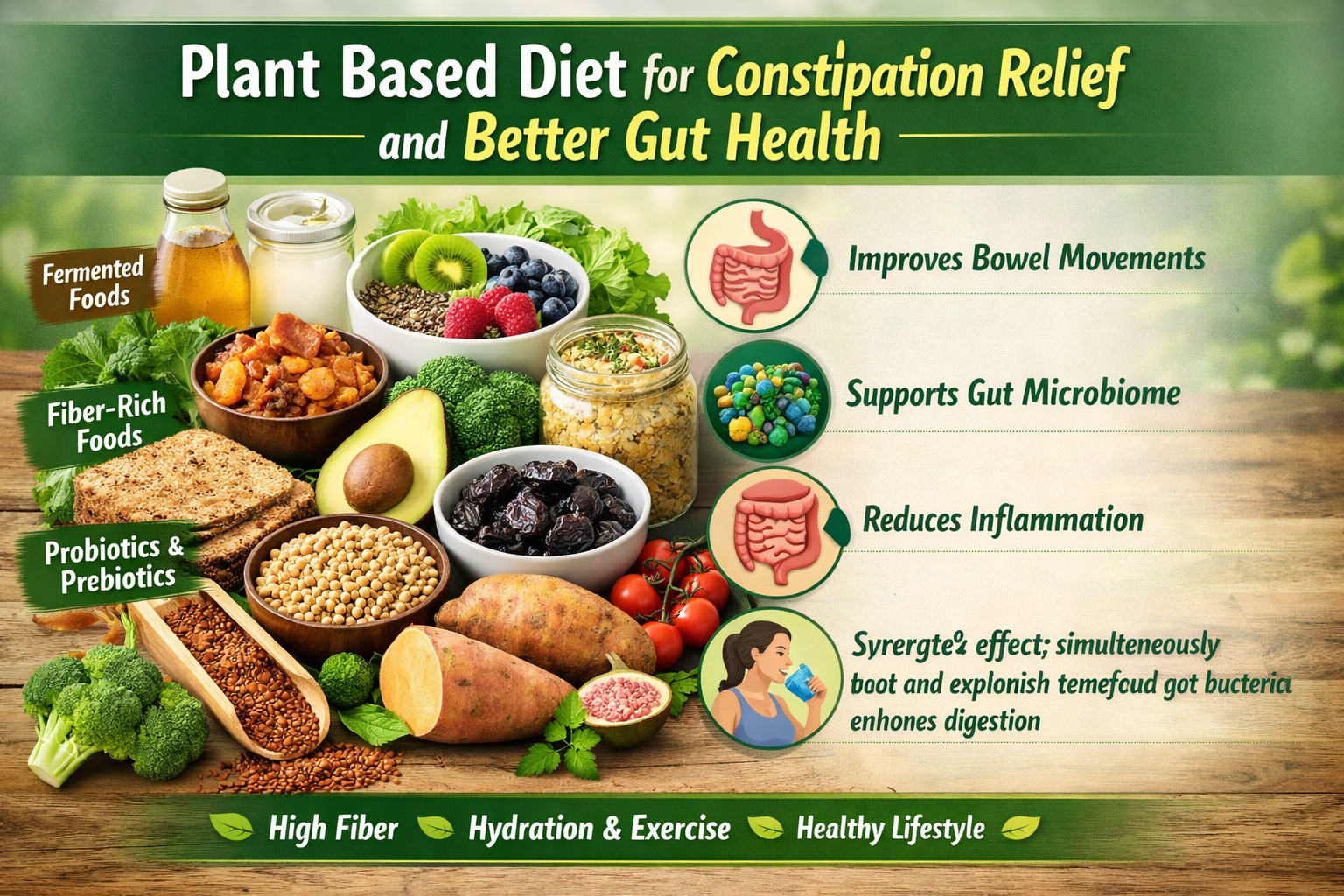
Constipation can be managed effectively through a combination of fiber-rich foods, probiotics, prebiotics, synbiotics, and traditional natural remedies. The following table summarizes key options, highlighting their effect on bowel movements, gut microbiome, and overall digestive wellness.
| Category | Examples | Effect on Constipation / Gut Health |
|---|---|---|
| Fiber-Rich Fruits & Vegetables | Kiwis, Prunes, Broccoli, Sweet potato, Avocado, Berries, Citrus fruits, Whole grains (oats, brown rice, quinoa), Legumes (chickpeas, lentils, soybeans) | Increase stool bulk, improve bowel movements, reduce straining and abdominal discomfort |
| Probiotics | Bifidobacterium lactis, Lactobacillus casei, Fermented foods (kimchi, miso, yogurt, kefir, kombucha) | Restore beneficial gut bacteria, reduce intestinal transit time, improve stool consistency |
| Prebiotics | Garlic, Onions, Asparagus, Bananas, Wheat bran, Psyllium husk | Feed beneficial gut bacteria, promote microbiome diversity, support regular bowel movements |
| Synbiotics | Combination of Probiotics + Prebiotics (e.g., Yogurt + Banana, Kefir + Oats, Kimchi + Garlic) | Synergistic effect: simultaneously feed and replenish beneficial gut bacteria, enhance digestion |
| Herbal & Traditional Remedies | Ginger, Ginseng, Rhubarb, Senna, Dates, Castor oil, Ma Zi Ren Wan (Hemp Seed Pill – TCM) | Stimulate bowel movements, relieve constipation, improve digestion |
| Gut-Friendly Beverages | Green tea, Black tea, Herbal teas, Kombucha, Coffee, Ginger Green Refresher | Provide polyphenols, nourish gut bacteria, reduce bloating |
Probiotics, Gut Microbiome, and Constipation
In recent years, probiotics have become a highly discussed topic among health-conscious individuals. But the key question remains: what exactly are probiotics, and how effective are they in relieving constipation? For a detailed guide, see 9 Best Probiotic Supplements 2026.
According to Dr. Will Bulsiewicz MD, probiotics are live microorganisms that, when consumed in adequate amounts, provide health benefits. The International Scientific Association for Probiotics and Prebiotics (ISAPP) defines them as mostly bacteria residing in the human large intestine, playing a crucial role in digestion and other physiological processes.
Prebiotics and Synbiotics
While probiotics are considered the “good bacteria,” prebiotics are the food components that feed these beneficial bacteria and promote their growth. When probiotics and prebiotics work together, the combination is known as a synbiotic.
Common prebiotic foods include garlic, onions, asparagus, bananas, wheat, soybeans, and legumes — foods that contain complex carbohydrates feeding gut bacteria.
What Does the Research Say?
Research on probiotics for constipation treatment is ongoing. A 2020 meta-analysis of 18 studies found that strong scientific evidence for probiotics in treating chronic constipation is still limited:
- 4 studies showed clear benefits
- 4 studies reported benefits in specific patient groups
- 2 studies found no significant effect
A 2014 study reported that probiotic consumption reduced average intestinal transit time by 12.4 hours and increased weekly bowel movements by 1.3 times. The bacterium Bifidobacterium lactis showed particularly effective results, whereas Lactobacillus casei demonstrated less impact. Benefits were mostly observed when a minimum dose of 100 million CFU probiotics was consumed daily for 2–8 weeks.
The Gut Microbiome: The Bigger Picture
The human body hosts an estimated 10–100 trillion microbial cells, with roughly 30 trillion in the gut alone. The gut microbiome affects the nervous system, respiratory system, cardiovascular health, digestion, and immunity.
In constipation, levels of certain beneficial gut bacteria — particularly Bifidobacterium and Lactobacillus — may decline, while bacteria like Bacteroides and Enterobacteriaceae may increase. This imbalance explains why probiotic supplementation can sometimes be helpful.
Traditional and Natural Approaches to Constipation
Rising Popularity of Natural Remedies
Many health-conscious individuals prefer natural treatments for greater autonomy in their health decisions. Some long-term conditions are not always fully addressed by conventional medicine, prompting people to explore complementary therapies.
Traditional Chinese Medicine (TCM) and Kampo
TCM emphasizes the balance of the body’s vital energy, or “Qi.” By the 5th–6th centuries, TCM reached Japan, where it evolved into Kampo Medicine. A key difference: TCM often studies individual herbs, whereas Kampo focuses on synergistic effects of complete herbal formulas. Japan currently recognizes 148 Kampo formulas under the country’s health coverage system.
Specific herbs and remedies used include:
- Persian Medicine: Grapes, plums, cucumber, psyllium
- Chinese & Japanese Medicine: Ginger, ginseng, rhubarb, senna
- TCM Formula: Ma Zi Ren Wan (Hemp Seed Pill) — has shown benefits in improving bowel movements in some studies, though side effects can include bloating, nausea, or diarrhea
Acupuncture and Moxibustion
Certain traditional therapies also target the nervous system and digestion. Electro-acupuncture has shown benefits in some chronic constipation cases. Moxibustion uses burning mugwort leaves near specific points to apply heat, often for digestive or inflammatory conditions.
Meal Timing, Sleep, and the Gut-Brain Axis
Beyond food choices, when and how we eat matters significantly:
- Consuming main meals during daylight hours and finishing dinner early supports the body’s circadian rhythm and digestion
- Adequate sleep (7–8 hours) is essential for gut health
- Stress, anxiety, and depression affect the gut-brain axis — the two-way communication between the gut and the brain
- Practices like deep breathing, meditation, and nature exposure stimulate the vagus nerve and enhance digestive function
The book specifically recommends a 15-minute “awe walk” in nature each week as part of the lifestyle protocol — a simple practice that reduces stress and supports the gut-brain connection.
The 3-Phase Plant Powered Plus Protocol for Optimal Gut Health
Dr. Will Bulsiewicz, in Plant Powered Plus, outlines a structured three-phase protocol called the Plant Powered Plus Protocol, designed to gradually increase plant-based foods, enhance the diversity of beneficial gut microbes, and strengthen the digestive process. The three phases are:
- Phase 1: Baseline
- Phase 2: Growth
- Phase 3: Mastery
Phase 1: Baseline — “Start Low, Go Slow”
The main principle of Phase 1: Baseline is “start low and go slow” — gradually introducing dietary changes while allowing the gut to adapt. This phase emphasizes low FODMAP plant-based foods that are easier to digest and gentle on the gut.
Nutrition Guidelines — Prioritize:
- 10+ different plants per week (fruits, vegetables, whole grains, seeds, nuts, legumes)
- Low FODMAP plant-based foods
- Varied colors among plant foods for more polyphenol variety
- Polyphenol-rich drinks: green tea, black tea, herbal tea, coffee, kombucha
- Spices as polyphenol-rich additions
- Fermented plant-based foods
Off-Limits in Phase 1:
- Added sugar or artificial sweeteners (stevia and monk fruit are acceptable)
- Gluten and flour, except sourdough
- Salty snacks, fried foods, sugary desserts, processed meats, and fast food
Daily Meal Structure:
- Morning (Fast-Breaking): Nutrient-rich smoothie (e.g., Golden Green Kickstart Smoothie, Citrus Berry Belly Bliss Smoothie, Oatmeal Cookie Dough Smoothie)
- Lunchtime: Light soup (e.g., P3 Biome Broth, Sun-Kissed Curry Carrot Soup, Creamy Cannellini and Parsnip Soup)
- Evening: Healthy polyphenol-rich beverage (e.g., Citrus-Spiced Golden Milk, Ginger Green Refresher, Tropic Mint Kiwi Cooler, The Blue Zen Elixir)
Following Phase 1’s weekly meal plan results in consuming approximately 38 unique plants per week, laying the foundation for gut microbial diversity.
Phase 1 Daily Checklist Highlights:
- 2 glasses of water upon waking
- Morning supplements: Vitamin D, Omega-3, Turmeric
- 30 minutes of sunlight exposure
- 3–5 minutes of breathwork (morning and evening)
- No caffeine or solid food after 8:00 PM
- Minimize blue light exposure; consistent bedtime for 7–8 hours sleep
- 30 minutes of daily exercise (brisk walk, cardio, or resistance training)
- No alcohol, tobacco, or marijuana
- Turn off phone at mealtimes
Duration: Follow Phase 1 for at least one week. If clear and substantial progress toward your primary health goal is observed, gradually progress to Phase 2.
Phase 2: Growth — Progress Over Perfection
Phase 2 builds upon the foundation of Baseline. The guiding principle is progress over perfection — embracing challenges while expanding diversity and strengthening gut health. The diet in Phase 2 becomes fully Plant Powered, with breakfast, lunch, and dinner provided daily.
Nutrition Guidelines — Updated:
- 20+ different plants per week
- 80%+ whole foods (20% or less ultra-processed foods)
- Resistant starches: cooked and cooled potatoes or sweet potatoes, legumes, whole grains
- More healthy fats: extra-virgin olive oil (EVOO), avocado, nuts, fish and shellfish
- Fermented foods daily
- Continue varied colors for polyphenol variety
- Continue low FODMAP foods; high FODMAP foods permitted if tolerated
Sample Weekly Meals (Phase 2):
Breakfasts:
- Wild Blueberry Chia Crisp with Yogurt
- Orange and Spice Overnight Oats
- Kimchi Tofu Scramble Breakfast Tacos
Entrées:
- Herby Chickpea Quinoa Salad
- Sweet Potato Lentil Curry
- Miso-Licious Vegetable Pasta
- Creamy Miso-Peanut Noodle Bowl
- Wild Rice Power Bowl
Soups:
- Citrus-Kissed Cannellini Stew
- Rosemary Minestrone Soup
Snacks and Sweets:
- Edamame Guacamole
- Citrus & Herb Toasted Nut Mix
- 5-Ingredient Energy Bites
- Chocolate Raspberry Chia Parfait
Beverages: Ginger Green Refresher, Citrus-Spiced Golden Milk, The Blue Zen Elixir, Tropic Mint Kiwi Cooler
Phase 2 is described as the most challenging phase — maintaining the habits from Baseline while adding new ones — but discipline during this phase is what drives meaningful gut transformation.
Phase 3: Mastery — Long-Term Optimization
Phase 3 is where the effort from the earlier phases culminates in thriving health and resilience. This is the phase of optimization — fine-tuning habits, exploring advanced strategies, and achieving a deeper connection to gut-immune health. Mastery is not about perfection but about living in alignment with your health goals.
Nutrition Guidelines — Final Level:
- 30+ different plants per week
- 90%+ whole foods (10% or less ultra-processed foods)
- Fermented foods twice daily
- Start to introduce high FODMAP plant-based foods and raw vegetables to further diversify gut microbes
- Continue varied colors for polyphenol variety
Sample Weekly Meals (Phase 3):
Breakfasts:
- Avocado Toast with a Dukkah Twist
- Peanut Pumpkin Power Bowl
- Morning Sundae Surprise
- Speedy Chickpea Shakshuka
- Cherry Pie Chia Pudding
Entrées:
- Eat the Rainbow Salad
- Citrus Kale Pasta Salad
- Double Strawberry Spring Salad
- Spiced Chickpea and Beet Yogurt Bowl
- Forbidden Rice Salad
- Southwest Quinoa Salad with Cumin Lime Dressing
- Crunchy Tempeh Tacos
- Hummus Kimchi Wraps
- Springtime Panzanella Salad
- Pre and Pro Miso Bowl
Soups:
- Mulligatawny Soup
- 15-Minute Tortilla Soup
New Beverages (Phase 3):
- Summer Garden Blended Juice
- Top Secret Mango Lassi
- Spiced Pomegranate Lassi
New Snacks:
- Smoked Chili Lime Popcorn
- Cashew Citrus Energy Bites
- Chocolate-Drizzled Berry Bites
Managing Adjustment and Digestive Comfort
When increasing fiber intake, some people may experience temporary bloating or discomfort. Experts advise allowing the body 3–4 days or until regular bowel movements resume to adapt. This is completely normal and a sign that the gut microbiome is responding to new inputs.
A well-structured daily diet incorporating Greek yogurt, berries, chia seeds, broccoli, sweet potato, whole grains, and legumes can provide 25–35 grams of fiber per day, supporting gut health comprehensively. For help choosing the right fiber supplements for constipation, see our detailed guide.
Other Causes and Medical Treatments for Constipation
Constipation can also arise from infections or medication side effects:
- Clostridioides difficile infection: disrupts normal gut function
- Opioid-Induced Constipation (OIC): caused by strong opioid painkillers
For chronic constipation, doctors may prescribe medications such as polyethylene glycol, magnesium oxide, lactulose, bisacodyl, or advanced drugs like linaclotide, lubiprostone, or prucalopride. See our guide on best OTC laxatives for constipation and the best magnesium supplements for constipation for non-prescription options.
A modern treatment for restoring gut bacteria is Fecal Microbiota Transplant (FMT), where healthy bacteria from a donor’s stool are transplanted into the patient’s gut. FMT is currently approved for C. difficile infections, with more than 80% of patients recovering.
When to Seek Medical Attention
Constipation lasting more than 3–4 weeks warrants medical consultation, especially if accompanied by:
- Unexplained weight loss
- Blood in stool
- Persistent anal pain
- Family history of colorectal cancer
Lifestyle Tips for Long-Term Gut Health
Diet alone is not enough. Dr. Bulsiewicz emphasizes that gut healing is holistic. Key lifestyle recommendations from the Plant Powered Plus Protocol include:
- Adequate sleep (7–8 hours) — essential for gut microbiome health
- Regular physical activity (minimum 30 minutes daily)
- Mental wellness practices — stress, anxiety, and depression directly affect digestion via the gut-brain axis
- Social connection — scheduled phone calls or coffee with friends and loved ones
- Nature exposure — weekly “awe walks” to reduce stress and stimulate the vagus nerve
- Consistent meal timing — avoid solid food after 8:00 PM
- No alcohol, tobacco, or marijuana — these harm the gut microbiome
- Limit blue light exposure and maintain a consistent sleep schedule
- Mindful eating — turn off your phone during mealtimes
Consistency and incremental improvements are the key to long-term gut health. The Plant Powered Plus Protocol does not ask for perfection — it asks for progress, one step at a time.
The History of Constipation Research and the Microbiome Revolution
Understanding the modern plant-based approach to constipation relief requires a brief look at how our thinking has evolved.
In the late 19th century, British surgeon William Arbuthnot Lane studied constipation extensively. He proposed the concept of “autotoxicity” — the idea that waste accumulation in the intestines produced toxic byproducts harmful to the body. This led him to perform colectomies (removal of parts of the colon) as a treatment, a practice later largely abandoned.
Modern research has shifted the focus dramatically toward the gut microbiome — the ecosystem of bacteria, viruses, protozoa, and fungi living within the human digestive tract. Studies estimate that the human body hosts 10–100 trillion microbial cells, with the ratio of human cells to microbial cells being nearly 1:1. This highlights the extraordinary degree to which microbes are integrated into our biology.
The gut microbiome affects:
- The nervous system (via the gut-brain axis)
- Immune function (the gut houses approximately 70% of the immune system)
- Cardiovascular health
- Metabolic processes
- Digestion and bowel regularity
Some studies also suggest possible links between the gut microbiome and conditions like autism spectrum disorder, inflammatory bowel disease, and colorectal cancer — underscoring just how central gut health is to overall wellness.
Why a Plant-Based Diet Is So Powerful for the Microbiome
When you eat a diverse range of plant-based foods, you directly feed the trillions of microbes in your gut. Different microbes prefer different food sources. The more varied your plant intake, the more diverse your microbial community becomes. And greater microbial diversity is strongly associated with better health outcomes — including reduced inflammation, improved bowel regularity, and stronger immune function.
This is the foundation of the Plant Powered Plus approach. Dr. Bulsiewicz’s protocol is not a restrictive diet. It does not ask you to eliminate food groups or suffer through bland meals. Instead, it asks you to add more plants, more variety, and more color to your plate — and let the microbiome do the rest.
Psychological and Social Factors in Constipation
Constipation is not purely a physical issue. The gut-brain axis means that psychological states have direct effects on bowel function. Stress, anxiety, and depression can alter gut motility, gut permeability, and the composition of the gut microbiome itself.
This is why the Plant Powered Plus Protocol includes a dedicated focus on mental wellness and social connection as part of the healing process. Practices like:
- Deep breathing exercises before or after meals
- Meditation and mindfulness
- Nature exposure (the weekly “awe walk”)
- Meaningful social connections — scheduling regular time with friends or loved ones
- Reflective journaling on purpose, stress, and emotional wellbeing
…are not optional extras. They are integral parts of the gut-healing protocol. Stimulating the vagus nerve — through breathwork, cold exposure, singing, gargling, or social laughter — directly enhances the parasympathetic (“rest and digest”) nervous system, promoting healthier digestion.
For readers dealing with constipation-related anxiety or stress-induced gut issues, exploring the causes of constipation may provide additional clarity on the multifactorial nature of this condition.
Key Takeaways: Natural Foods and Remedies Summary
The key to preventing constipation is maintaining healthy eating habits and lifestyle. While probiotics may offer benefits in certain cases, they are not a guaranteed solution. Instead, a combination of the four nutrition workhorses — fiber, polyphenols, healthy fats, and fermented foods — along with adequate hydration and active living, supports beneficial gut bacteria and reduces constipation over the long term.
For additional support, explore these resources on constipationrelief.net:
- 9 Best Probiotic Supplements 2026
- Best OTC Laxatives for Constipation in the US
- Constipation Relief: Best Fiber Foods and Fiber Therapy for Gut Health
- Best Magnesium Supplements for Constipation
- Psyllium Husk vs Wheat Bran for Constipation
- Chronic Constipation Treatment
- 5 Best Chinese Teas for Constipation
Disclosure
The content of this article is based on insights from the book Plant Powered Plus: Activate the Power of Your Gut to Tame Inflammation and Reclaim Your Health by Will Bulsiewicz MD, MSCI (Avery/Penguin Random House, 2026). This article summarizes key ideas and practical tips discussed in the book. For a deeper understanding of gut health, plant-based nutrition, and inflammation management, reading the full book is highly recommended.
Important Note: This article is for informational purposes only and is not a substitute for professional medical advice, diagnosis, or treatment. Always consult your healthcare provider regarding any health concerns before making dietary or lifestyle changes.