

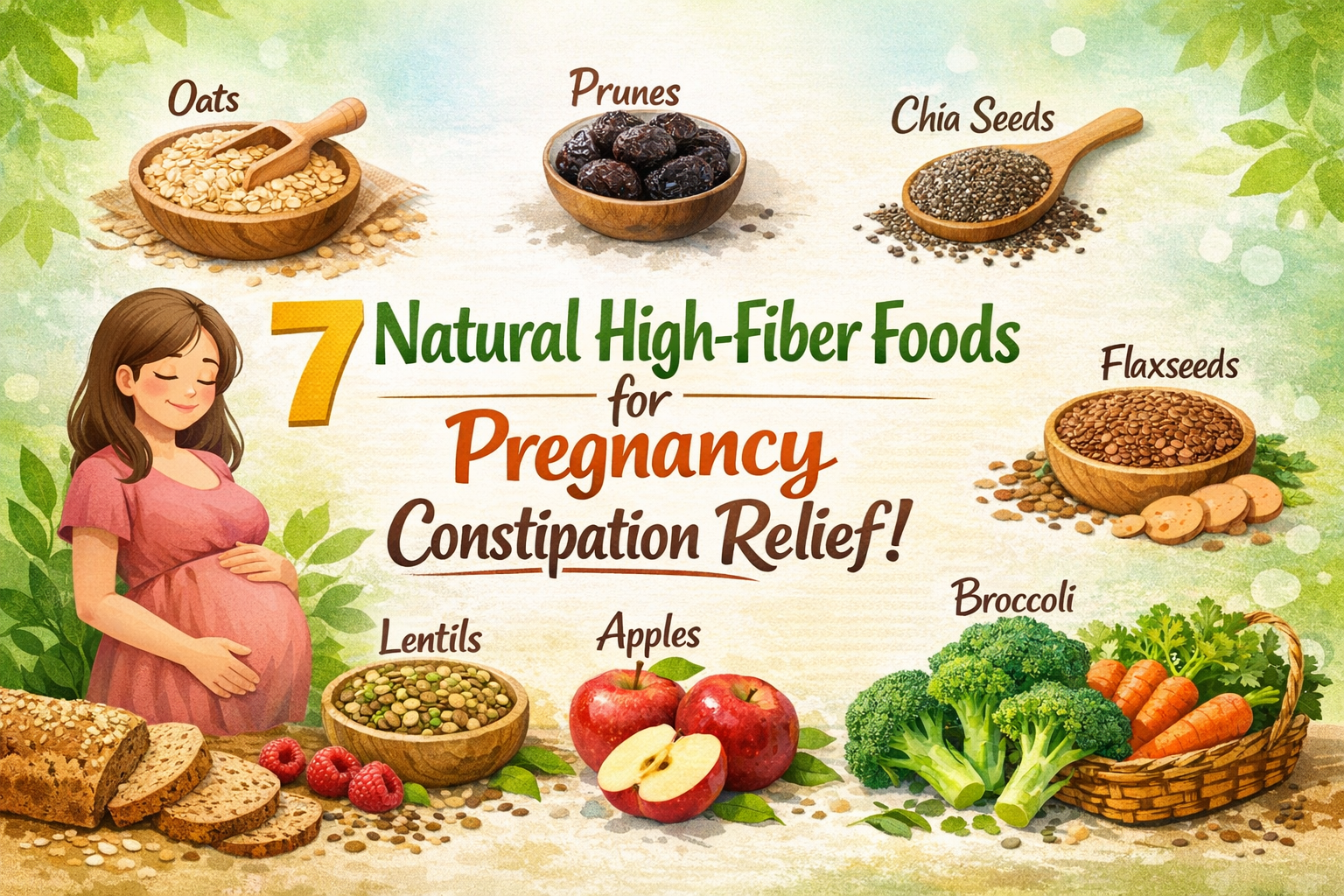
Pregnancy is one of the most transformative journeys a woman can experience — but along with the joy of growing a new life comes a host of uncomfortable physical changes. Among the most common and least talked-about is constipation. Studies estimate that anywhere from 11% to 38% of pregnant women experience constipation at some point during their pregnancy, making it one of the top gastrointestinal complaints reported in prenatal care.
The causes are multifactorial. Rising progesterone levels relax smooth muscle throughout the body, including the intestines — slowing down digestive motility and making it harder for stool to pass. Add to that the pressure of a growing uterus on the colon, reduced physical activity, dehydration, and the constipating effects of prenatal iron supplements, and you have a perfect recipe for digestive distress. Fortunately, relieving pregnancy constipation without medication is entirely possible — and often preferable — through targeted dietary changes, particularly by increasing your intake of high-fiber foods.
Related Read: Probiotics are one of the safest and most effective tools for pregnancy constipation — backed by 100+ clinical trials. See: Safe Probiotics for Pregnancy-related Constipation: Best Strains & Brands
According to a 2022 prospective cohort study published in the peer-reviewed journal Nutrition & Dietetics, a combination of low fiber and low fluid intake increased the risk of constipation during pregnancy with an odds ratio of 5.9 (95% CI 2.00–17.4). That means women who ate too little fiber and drank too little water were nearly six times more likely to suffer from constipation. The same study found that low fiber intake was also associated with a significantly higher risk of adverse pregnancy outcomes, including cesarean section and premature delivery.
This article is your research-backed guide to the 7 best natural high-fiber foods for pregnancy constipation relief. We’ll also share evidence-based Amazon product picks, serving ideas, and expert nutrition tips. For more guidance, visit ConstipationRelief.net — your trusted source for safe, effective constipation solutions.
How Much Fiber Do Pregnant Women Actually Need?
The American Pregnancy Association (APA) recommends that pregnant women consume 25 to 30 grams of dietary fiber per day. Despite this clear guidance, research suggests that the vast majority of pregnant women fall far short. A landmark observational cohort study from Australia involving 804 pregnant women found that only 29.5% of participants met the recommended adequate intake (AI) of 28 grams of fiber per day, with the median intake sitting at just 24.1 grams per day.
Dietary fiber comes in two forms — soluble and insoluble — and both are important during pregnancy. Soluble fiber dissolves in water to form a gel-like substance in the gut, softening stool and making it easier to pass. It also helps regulate blood sugar and lower cholesterol. Insoluble fiber, on the other hand, adds bulk to stool and speeds up transit time through the colon, directly relieving constipation.To understand the full picture of how fiber works in the gut, read our in-depth guide: Constipation Relief: Best Fiber Foods and Fiber Therapy for Gut Health.
The good news? You don’t need to overhaul your entire diet. Strategic additions of the right high-fiber foods — many of which also double as natural laxative foods for expectant moms — can make a significant difference within days.
7 Natural High-Fiber Foods for Pregnancy Constipation Relief
1. Prunes (Dried Plums) — The Gold Standard Natural Laxative for Pregnancy
When it comes to natural laxative foods for expectant moms, prunes reign supreme. Prunes — dried plums — have been used for centuries as a digestive aid, and Modern science strongly backs up prunes’ effectiveness for constipation. A landmark 2011 randomized controlled trial published in Alimentary Pharmacology & Therapeutics (Attaluri et al., doi: 10.1111/j.1365-2036.2011.04594.x) found that prunes were significantly more effective than psyllium husk at improving stool frequency and consistency in adults with chronic constipation.
Why are prunes so effective? The answer lies in their unique nutritional profile. A 100-gram serving (about 10 prunes) contains approximately 7.1 grams of dietary fiber. Prunes also contain sorbitol, a natural sugar alcohol that draws water into the colon through osmosis, creating a gentle laxative effect similar to osmotic agents like PEG. Together, these two mechanisms — fiber bulk and osmotic softening — make prunes uniquely effective for pregnancy constipation relief. Their polyphenol content (neochlorogenic and chlorogenic acids) also supports a healthy gut microbiome as an additional benefit.
Prunes are also rich in vitamin K, potassium, and vitamin B6 — nutrients that are particularly valuable during pregnancy. Their high antioxidant content, including neochlorogenic and chlorogenic acids, offers additional anti-inflammatory benefits.
How to eat them during pregnancy: Start with 5–6 prunes per day (roughly 50g) to assess tolerance. You can eat them whole as a snack, blend them into a smoothie, stir them into oatmeal, or mix them with yogurt for a fiber-rich breakfast. Prune juice (about 120ml or half a cup) is another convenient option, though whole prunes offer more fiber.
- Fiber content: ~7.1g per 100g (dried)
- Key nutrients: Vitamin K, Potassium, B6, Sorbitol, Antioxidants
- Best for: Immediate constipation relief, softening stool naturally
Amazon Pick: Sunsweet Amazin Prunes (18oz) — One of the best-reviewed prune brands on Amazon, Sunsweet prunes are made from California-grown Improved French plums with no added sugars or preservatives. Thousands of verified buyers praise their effectiveness for constipation relief and their pleasant, not-too-sweet flavor. Suitable for use throughout pregnancy.
2. Kiwifruit — A Gentle and Nutrient-Dense Constipation Fighter
Kiwi is one of the most underrated best fruits for constipation during pregnancy. A 2021 systematic review published in Advances in Nutrition examined the evidence for fruits as natural laxatives and found strong support for kiwifruit’s ability to improve bowel frequency, stool consistency, and reduce straining — all without significant side effects.
A single medium kiwi (approximately 76g) contains about 2.1 grams of dietary fiber, including a unique type of soluble fiber called pectin, which forms a gel in the gut and helps soften stool. But what sets kiwi apart from other fruits is a proteolytic enzyme called actinidin, which has been shown to accelerate gastric emptying and improve overall gut motility. A 2010 randomized controlled study from New Zealand found that consuming two kiwifruits per day for four weeks significantly increased bowel movement frequency in constipated participants compared to a control group.
Kiwi is also one of the richest dietary sources of vitamin C among common fruits, providing around 92mg per 100g — exceeding even oranges. Vitamin C is critical during pregnancy for iron absorption, immune function, and collagen synthesis. This makes kiwi a double win: it relieves constipation and supports your prenatal nutritional needs.
How to eat during pregnancy: Eat two kiwifruits per day, either on their own or sliced into a fruit salad, blended into smoothies, or layered over Greek yogurt. Gold kiwis (Zespri SunGold) are slightly sweeter and lower in acidity if you experience heartburn alongside constipation.
- Fiber content: ~3.0g per 100g
- Key nutrients: Vitamin C, Folate, Potassium, Actinidin enzyme
- Best for: Improving gut motility, softening stool, supporting immunity
3. Chia Seeds — The Pregnancy Superfood for Gut Health
Chia seeds have earned their superfood status, and for good reason. Just two tablespoons (approximately 28 grams) of chia seeds deliver an impressive 9.8 grams of dietary fiber — nearly one-third of the recommended daily intake for pregnant women in a single serving. This makes chia seeds one of the most fiber-dense high fiber snacks for pregnancy that you can easily incorporate into your daily routine.
Chia seeds are predominantly rich in soluble fiber, which absorbs water and expands dramatically in the gut, forming a thick, lubricating gel. This gel coats the intestinal walls, softens stool, and helps it move smoothly through the colon. Unlike many other high-fiber foods, chia seeds work within the gut without causing significant gas or bloating when introduced gradually — an important consideration for pregnant women already dealing with digestive discomfort.
Beyond their fiber content, chia seeds are an exceptional source of omega-3 fatty acids (specifically ALA), calcium, magnesium, phosphorus, and plant-based protein. Omega-3 fatty acids support fetal brain development, while calcium is critical for bone formation. Magnesium — a mineral in which many pregnant women are deficient — also plays a role in gut motility and can itself help relieve constipation.
How to eat during pregnancy: Soak 2 tablespoons of chia seeds in 240ml of water, coconut milk, or almond milk overnight to create chia pudding. Add to smoothies, sprinkle over oatmeal or salads, or mix into yogurt. Always drink extra water when consuming chia seeds, as their water-absorbing properties mean adequate hydration is essential.
- Fiber content: ~34.4g per 100g (9.8g per 2 tbsp serving)
- Key nutrients: Omega-3 ALA, Calcium, Magnesium, Plant protein
- Best for: High-fiber snacking, gradual constipation prevention
Amazon Pick: Viva Naturals Organic Chia Seeds (2lb) — USDA-certified organic, non-GMO, and rated one of the highest-quality chia seed products on Amazon. Thousands of reviewers highlight the seeds’ freshness, neutral flavor, and noticeable improvement in digestive regularity. A single bag provides months of supply at an excellent price-per-serving. Perfect for adding to smoothies, puddings, and pregnancy-safe baked goods.
4. Oats — The Best High-Fiber Breakfast Grain for Pregnant Women
Oats are perhaps the most approachable and versatile high-fiber food for pregnancy. A 100-gram serving of dry rolled oats contains approximately 10.6 grams of fiber, including a particularly valuable type of soluble fiber called beta-glucan. Beta-glucan has been the subject of extensive research for its ability to improve digestive health, regulate blood sugar, and reduce LDL cholesterol — all clinically relevant concerns during pregnancy.
Beta-glucan works by forming a viscous gel in the intestinal tract, which slows digestion, promotes satiety, and crucially, softens stool by retaining moisture throughout the colon. A 2022 meta-analysis published in the Journal of Nutrition and Metabolism found that regular beta-glucan consumption significantly improved stool frequency and consistency in individuals with constipation. For pregnant women dealing with iron-supplement-induced constipation, oats are particularly helpful because they act on both stool consistency and transit time.
Oats are also rich in B vitamins (including B1, B5, and folate), iron, magnesium, zinc, and antioxidants called avenanthramides. They are one of the most cost-effective high fiber snacks for pregnancy, making them accessible regardless of budget.
How to eat during pregnancy: Prepare a large bowl of rolled oats or steel-cut oats each morning. Enhance the fiber content and natural sweetness by topping with sliced banana (which adds resistant starch and additional fiber), a tablespoon of chia seeds or ground flaxseed, and a small handful of dried prunes or figs. Overnight oats are equally effective and can be prepared in advance.
- Fiber content: ~10.6g per 100g dry oats; ~3.4g per 40g serving cooked
- Key nutrients: Beta-glucan, B vitamins, Iron, Magnesium, Zinc
- Best for: Daily constipation prevention, blood sugar regulation
Amazon Pick: Bob’s Red Mill Organic Extra Thick Rolled Oats (32oz) — A trusted brand with thousands of loyal Amazon reviewers. These USDA-certified organic oats are minimally processed to retain maximum fiber content. Reviewers consistently report improved digestion and regular bowel movements with daily use. The thick cut takes slightly longer to cook but has a more satisfying texture and higher fiber density than instant oats.
5. Lentils and Legumes — High-Fiber Protein Powerhouses for Expectant Moms
Lentils are among the highest-fiber foods available in the plant kingdom, and they offer a combination of soluble and insoluble fiber that makes them exceptionally effective for relieving pregnancy constipation. One cup (198g) of cooked lentils provides approximately 15.6 grams of dietary fiber — more than half the recommended daily intake for pregnant women in a single serving.
The fiber in lentils works on multiple levels: the soluble fiber (primarily pectin and mucilage) softens stool and feeds beneficial gut bacteria, while the insoluble fiber adds bulk and accelerates intestinal transit. Lentils are also classified as a low-glycemic food, meaning they release energy slowly and help maintain stable blood sugar — a critical benefit during pregnancy, particularly for women at risk of gestational diabetes.
Beyond fiber, lentils are an outstanding source of folate (providing approximately 358mcg per cup cooked — nearly 90% of the daily requirement for pregnant women), plant-based protein (18g per cup), iron, potassium, and zinc. This makes lentils one of the most nutritionally complete natural laxative foods for expectant moms. Other legumes — including chickpeas, black beans, kidney beans, and edamame — offer similar fiber benefits and can be used interchangeably.
How to eat during pregnancy: Add lentils to soups, stews, dal, or salads. Red lentils cook quickly (15–20 minutes) and blend smoothly into sauces. If you experience gas from legumes, start with smaller portions (1/4 cup) and gradually increase over 1–2 weeks as your gut microbiome adjusts. Soaking dried legumes for 8 hours before cooking significantly reduces their gas-producing oligosaccharides.
- Fiber content: ~15.6g per cup (198g) cooked lentils
- Key nutrients: Folate, Iron, Plant protein, Potassium, Zinc
- Best for: High-fiber main meals, folate supplementation
6. Avocado — The Creamy, Calorie-Dense Constipation Remedy
Avocado is a unique fruit in that it is high in healthy fats rather than simple sugars, yet it remains one of the best fruits for constipation during pregnancy due to its impressive fiber content. A medium-sized avocado (approximately 150g) contains about 10 grams of dietary fiber, including both soluble and insoluble types. Additionally, avocado is rich in magnesium — a mineral with well-documented benefits for gut motility.
The healthy monounsaturated fats in avocado serve a dual digestive purpose: they help lubricate the intestinal walls, easing the passage of stool, and they stimulate the secretion of bile — a digestive fluid that enhances fat-soluble nutrient absorption and supports regular bowel movements. This lubricating effect, combined with high fiber content, makes avocado particularly effective for women experiencing dry, hard stools.
Avocado is also one of the best dietary sources of potassium, providing more than bananas per gram, along with vitamins K, E, C, and B vitamins including folate. The high-calorie density of avocado is actually beneficial during pregnancy, supporting healthy gestational weight gain without the sugar spikes associated with many other high-calorie foods.
How to eat during pregnancy: Half an avocado on whole-grain toast provides both fiber from the fruit and additional fiber from the bread — a classic combination for constipation relief. You can also blend avocado into smoothies for a creamy texture, use it as a dip with raw vegetables (great as a high fiber snack for pregnancy), or slice it into salads.
- Fiber content: ~6.7g per 100g; ~10g per medium avocado
- Key nutrients: Monounsaturated fats, Potassium, Magnesium, Folate, Vitamins K/E
- Best for: Lubricating stool passage, healthy calorie intake during pregnancy
7. Ground Flaxseeds (Flaxseed Meal) — The Omega-3 Packed Natural Laxative
Ground flaxseeds (also called flaxseed meal or linseed) are one of the most potent natural laxative foods for expectant moms available in any grocery store. Two tablespoons (14g) of ground flaxseeds provide approximately 3.8 grams of dietary fiber, with a nearly equal split between soluble and insoluble fiber. When consumed with adequate water, ground flaxseeds form a mucilaginous gel in the gut that lubricates the intestinal lining and softens stool.
A 2021 systematic review published in Nutrients examined the effect of flaxseed on constipation and found that regular flaxseed consumption significantly improved both stool frequency and consistency in multiple randomized controlled trials. One study found that 10 grams of flaxseed per day was more effective than lactulose (a commonly prescribed laxative) at improving chronic constipation over a 12-week period.
Flaxseeds are the richest dietary source of alpha-linolenic acid (ALA), a plant-based omega-3 fatty acid that supports fetal neurological development, reduces inflammation, and may help maintain healthy gut flora during pregnancy. They also contain lignans — powerful phytoestrogens with antioxidant properties — and are a good source of magnesium, thiamine, and phosphorus.
Important note: Always use GROUND flaxseeds rather than whole flaxseeds. Whole flaxseeds pass through the digestive tract largely intact and offer minimal nutritional or digestive benefit. Store ground flaxseed in an airtight container in the refrigerator to prevent rancidity.
How to eat during pregnancy: Add 1–2 tablespoons of ground flaxseed to oatmeal, smoothies, yogurt, or whole-grain pancake batter. Mix into homemade muffins or sprinkle over salads. Always consume with at least 240ml of water to activate the mucilaginous gel-forming properties.
- Fiber content: ~27g per 100g; ~3.8g per 2 tbsp serving
- Key nutrients: ALA Omega-3, Lignans, Magnesium, B1 (Thiamine)
- Best for: Gut lubrication, omega-3 supplementation, fetal brain support
Amazon Pick: Bob’s Red Mill Organic Golden Flaxseed Meal (32oz) — This pre-ground, USDA-certified organic flaxseed meal is one of the highest-rated fiber-boosting foods on Amazon. Reviewers consistently highlight its freshness, mild nutty flavor, and noticeable effects on digestive regularity. The resealable bag keeps the product fresh. A practical choice for adding flaxseed to daily pregnancy meals.
Quick Reference: Fiber Content Comparison Table
| Food | Fiber per Serving | Best For | How to Use |
|---|---|---|---|
| Prunes (10 pcs) | 7.1g | Rapid relief | Snack or in oatmeal |
| Kiwifruit (2 med) | ~6g | Gut motility | Breakfast or smoothie |
| Chia Seeds (2 tbsp) | 9.8g | High-fiber snack | Pudding, smoothies |
| Oats (1 cup cooked) | ~3.4g | Daily prevention | Breakfast porridge |
| Lentils (1 cup cooked) | 15.6g | Protein + fiber | Soups, dal, salads |
| Avocado (1 medium) | ~10g | Stool lubrication | Toast, dip, smoothie |
| Ground Flaxseed (2 tbsp) | 3.8g | Gut lubrication | Add to oats or yogurt |
Research-Based Amazon Product Reviews for Pregnancy Constipation
While whole foods should always be your first line of defense, there are times when dietary fiber alone may not be sufficient — especially during the third trimester when progesterone levels peak and the uterus exerts maximum pressure on the bowel. The following Amazon products have been selected based on safety profile, ingredient quality, clinical evidence, and verified user reviews from pregnant women.
1. NOW Foods Psyllium Husk Caps 500mg — Best Overall Pregnancy Fiber Supplement
Amazon Link: NOW Foods Psyllium Husk Caps 500mg, Non-GMO, 500 Veg Capsules
NOW Foods is a trusted, family-owned supplement brand established in 1968, with a longstanding reputation for quality, transparency, and affordability. Their Psyllium Husk Caps are one of the most consistently recommended fiber supplements by healthcare providers, including OB-GYNs, for managing pregnancy-related constipation. Each veg capsule contains 500mg of pure psyllium husk — a clinically validated, bulk-forming soluble fiber that gently softens stool and promotes regularity without stimulating uterine contractions.
Research backing: Psyllium husk has been evaluated in over 20 randomized controlled trials for constipation management. A landmark systematic review published in Alimentary Pharmacology & Therapeutics (2016), analyzing 17 RCTs, confirmed that psyllium supplementation significantly improved both stool frequency and consistency in adults. OB-GYNs broadly recommend psyllium-based supplements during pregnancy specifically because the mechanism is passive — it works by absorbing water and forming a gel-like bulk in the gut — making it safer than stimulant laxatives, which can trigger intestinal cramping.
Product highlights: Non-GMO Project Verified, vegan/vegetarian, kosher, soy-free, gluten-free, corn-free, and keto-friendly. Manufactured in an NPA A-rated GMP certified facility, ensuring every batch is tested for stability, potency, and formulation accuracy. Daily dose: 5 capsules (2,500mg total psyllium fiber), providing a clinically meaningful amount of soluble fiber. Excellent value — one of the most cost-effective psyllium capsule options available on Amazon.
User experience: Verified Amazon reviewers consistently praise the product for gentle, predictable relief from pregnancy constipation within 2–4 days. Common feedback highlights the absence of cramping, urgency, or bloating — and the convenient capsule format is particularly appreciated by women experiencing nausea or pill fatigue common in the first trimester.
Cautions: Take each dose with a minimum of 240ml (8 oz) of water — inadequate hydration can worsen constipation. Space doses at least 1 hour before or 4 hours after prenatal vitamins to prevent interference with iron absorption. Start with a lower dose and increase gradually to minimize gas. Always consult your OB-GYN before adding any supplement during pregnancy.
2. Pink Stork Prenatal Fiber Gummies — Best for First Trimester Nausea + Constipation
Amazon Link: Pink Stork Prenatal Fiber Gummies (60 Count)
Pink Stork’s prenatal fiber gummies are designed with the specific challenges of pregnancy in mind. Each two-gummy serving provides 3 grams of plant-based prebiotic fiber derived from inulin (chicory root) — a soluble fiber that feeds beneficial gut bacteria (Bifidobacterium and Lactobacillus), supports regular bowel movements, and promotes a healthier gut microbiome throughout pregnancy.
Research backing: Inulin (a fructooligosaccharide/FOS) has been well-studied as a prebiotic fiber. A 2020 systematic review in Nutrients found that prebiotic supplementation, including inulin, significantly improved stool frequency and consistency in constipated individuals. Inulin also enhances calcium absorption — a clinically meaningful benefit during pregnancy when calcium demand increases substantially for fetal skeletal development.
Product highlights: Vegan, plant-based, no artificial colors or flavors. Available in pleasant fruit flavors (berry, peach, strawberry). Easy to chew — ideal for women experiencing pill fatigue or nausea with capsules. Can be taken alongside prenatal vitamins.
User experience: Pregnant women with first-trimester nausea especially appreciate the gummy format. Reviews highlight the delicious taste and convenience, with many noting improvement in both constipation and bloating within the first week of use.
3. Metamucil 4-in-1 Psyllium Husk Fiber Powder — Best Budget-Friendly Fiber Supplement
Amazon Link: Metamucil 4-in-1 Sugar-Free Fiber Powder (Orange, 180 servings)
Metamucil is one of the most clinically studied fiber supplements on the market and represents excellent value for pregnant women seeking a reliable, budget-friendly constipation solution. Each serving provides 6 grams of total fiber, including 5 grams of soluble psyllium fiber. The sugar-free version uses stevia and is appropriate for pregnant women managing gestational diabetes or blood sugar concerns.
Research backing: Psyllium husk — Metamucil’s primary ingredient — has been studied in over 20 randomized controlled trials for constipation, with consistent evidence showing improvements in stool frequency, stool consistency (measured by the Bristol Stool Scale), and reduction in straining. OB-GYNs frequently recommend psyllium-based supplements over stimulant laxatives during pregnancy precisely because the mechanism of action is passive and safe for the developing fetus.
Product highlights: Orange-flavored powder that mixes easily with water. 180 servings per container (approximately 6 months’ supply at one daily serving). Sugar-free, gluten-free. Cost-effective at well under $1 per serving.
Important caution: A recently published analysis flagged detectable levels of lead in several psyllium products, including some Metamucil formulas, particularly in California under Prop 65 thresholds. When comparing fiber supplements, check for third-party testing certifications, and consult your healthcare provider to select the safest option for your specific situation.
Relieving Pregnancy Constipation Without Medication: Beyond Food
Increasing dietary fiber is the cornerstone of relieving pregnancy constipation without medication, but works best alongside:
1. Hydration: Drink 8–12 cups (64–96 oz) of water daily. For every 10g of extra fiber added, increase water by 200ml. See: Fast Constipation Relief at Home: 12 Natural Ways That Actually Work
2. Physical Activity: The CDC recommends 30 minutes of moderate exercise per day during pregnancy (with OB-GYN clearance). Walking, swimming, and prenatal yoga all improve intestinal motility.
3. Don’t Ignore the Urge: Establish a consistent bathroom routine — ideally after breakfast when the gastrocolic reflex is strongest.
4. Probiotics Support Gut Flora: Yogurt with live cultures, kefir, and kimchi improve gut bacteria diversity. For evidence-based picks, see: 9 Best Probiotic Supplements 2026: Expert Guide for Gut Health & Immunity
5. Reconsider Iron Supplement Timing: If constipation worsened after starting prenatal vitamins, discuss with your OB-GYN. Ferrous bisglycinate is better tolerated than ferrous sulfate. Full guide: Best Laxative for Constipation from Iron Pills (2026 Guide)
A Sample 1-Day High-Fiber Meal Plan for Pregnancy Constipation
Putting it all together, here is an example of a one-day meal plan specifically designed to deliver 28–30 grams of fiber while being nutritionally balanced for pregnant women:
Breakfast (~10g fiber): 1 cup cooked rolled oats topped with 1 tablespoon ground flaxseed (3.8g fiber), 1 tablespoon chia seeds (4.9g fiber), 5 prunes or ¼ cup sliced prunes (3.5g fiber), and a drizzle of honey. Drink: 1 glass of warm water or herbal tea.
Mid-Morning Snack (~6g fiber): 1 medium avocado on 1 slice whole grain toast (2g from toast). The avocado provides approximately 10g fiber for a whole fruit — split with lunch if a whole avocado is too filling. Alternatively, 2 kiwifruits (4g fiber total) with a handful of almonds.
Lunch (~8g fiber): 1 cup red lentil soup (7.8g fiber) with a side salad of mixed greens, cherry tomatoes, cucumber, and a tablespoon of chia seeds. Whole-grain pita bread adds 2–3g additional fiber.
Afternoon Snack (~4g fiber): 1 cup Greek yogurt (with live cultures for probiotic benefit) with 6 dried prunes (4.3g fiber) or a banana (3g fiber).
Dinner (~8g fiber): Baked salmon (low-mercury, safe during pregnancy) with roasted sweet potato (4g fiber), steamed broccoli (2.4g per cup), and a side of chickpeas (3.5g per half-cup). Chickpeas can be seasoned and roasted for texture.
Evening (if needed): Chia seed pudding made with 2 tablespoons chia seeds in 240ml almond milk. Let sit overnight. Top with 2 sliced kiwis for an additional fiber and vitamin C boost.
Total estimated fiber: ~36–40g — well above the recommended 28g/day
📌 Related Read: Plant Based Diet for Constipation Relief and Better Gut Health
When to See Your Doctor About Pregnancy Constipation
While dietary changes are effective for most cases of pregnancy constipation, there are certain symptoms that warrant prompt medical evaluation:
- Constipation accompanied by severe abdominal pain or cramping
- Blood in the stool or rectal bleeding
- Constipation lasting more than two weeks despite dietary changes
- Constipation alternating with diarrhea
- Severe hemorrhoids that are bleeding or extremely painful
- Nausea and vomiting alongside constipation (may indicate bowel obstruction)
Your OB-GYN or midwife may recommend a stool softener (such as docusate sodium, which is considered safe during pregnancy) or a bulk-forming laxative (such as psyllium or methylcellulose) if dietary measures are insufficient. Stimulant laxatives (like senna or bisacodyl) should only be used under direct medical supervision during pregnancy, as they may stimulate uterine contractions.
Frequently Asked Questions (FAQs)
Q: What are the best fruits for constipation during pregnancy?
The best fruits for constipation during pregnancy are prunes, kiwifruit, pears, and avocados. Prunes are the most studied and contain sorbitol — a natural sugar alcohol with osmotic laxative properties. Kiwifruit contains the enzyme actinidin, which accelerates gut motility. Pears contain high levels of sorbitol and pectin. Avocados provide both fiber and gut-lubricating healthy fats. Incorporating 2–3 of these fruits daily, alongside adequate water intake, can significantly improve bowel regularity.
Q: Are natural laxative foods for expectant moms safe throughout all trimesters?
Yes — the foods discussed in this article (prunes, kiwi, chia seeds, oats, lentils, avocado, and ground flaxseeds) are all whole, natural foods that are safe throughout all three trimesters of pregnancy. Ground flaxseed in moderate amounts (1–2 tablespoons per day) is generally considered safe, although some practitioners advise caution with very large amounts due to phytoestrogen content. Always discuss significant dietary changes with your prenatal care provider, especially if you have a history of preterm labor, food allergies, or chronic digestive conditions.
Q: What are good high fiber snacks for pregnancy?
Excellent high fiber snacks for pregnancy include: chia seed pudding (made with almond or coconut milk), sliced avocado on whole-grain crispbread, an apple with 2 tablespoons of almond butter, roasted chickpeas (½ cup = ~5g fiber), a small handful of dried prunes with walnuts, Greek yogurt with berries and a sprinkle of ground flaxseed, and edamame with sea salt (½ cup = ~4g fiber). These options provide fiber alongside protein, healthy fats, and key pregnancy nutrients.
Q: How long does it take for high-fiber foods to relieve constipation?
Most women notice improvement in bowel regularity within 2–4 days of consistently increasing fiber intake. Prunes and kiwi tend to work fastest, often within 24–48 hours. Chia seeds and flaxseeds may take 3–5 days to show full effect. For chronic constipation, allow 1–2 weeks of consistent dietary change before evaluating effectiveness. Remember that fiber must be paired with adequate hydration to work properly.
Q: Can I take fiber supplements in addition to eating high-fiber foods during pregnancy?
Yes. Psyllium husk-based supplements (NATALIST, Metamucil) are widely recommended by OB-GYNs. Always consult your provider first, and take supplements at least 1 hour away from prenatal vitamins to avoid interfering with iron absorption. See: 7 Natural Fiber Supplements for Chronic Constipation (Dosage & Side Effects)
Conclusion: High-Fiber Foods Are Your Best Defense Against Pregnancy Constipation
Pregnancy constipation is common, uncomfortable, and often underreported — but it is also highly manageable through strategic dietary changes. The 7 natural high-fiber foods explored in this article — prunes, kiwifruit, chia seeds, oats, lentils, avocado, and ground flaxseeds — are all backed by clinical research, safe throughout pregnancy, and rich in the additional nutrients that support both maternal health and fetal development.
The key is consistency. Aim for the recommended 28–30 grams of fiber per day, drink at least 8–10 cups of water, stay gently active, and listen to your body. If dietary measures aren’t enough, consider pregnancy-safe fiber supplements like NATALIST Psyllium Husk or Pink Stork Prenatal Fiber Gummies to bridge the gap.
🔗 Safe Probiotics for Pregnancy-related Constipation: Best Strains & Brands (Most important pregnancy-specific resource — 6 clinically reviewed probiotic picks)
For more resources on relieving pregnancy constipation without medication, explore our complete library at ConstipationRelief.net — including:
🔗 7 Safe and Natural Remedies for New Mothers’ Digestive Health (Pregnancy & Postpartum)
🔗 Best Laxative for Constipation from Iron Pills (Prenatal supplement issues)
🔗 9 Best Probiotic Supplements 2026 (Gut flora support)
🔗 Natural Remedies for Constipation (Medication-free solutions)
🔗 Fast Constipation Relief at Home (12 natural strategies)
References
- Reijonen J, et al. (2022). Association of dietary fiber, liquid intake and lifestyle characteristics with gastrointestinal symptoms and pregnancy outcome. ScienceDirect.
- Hallam MC, et al. (2021). High-Fiber Diet during Pregnancy Characterized by More Fruit and Vegetable Consumption. PMC / MDPI Nutrients.
- Christodoulides S, et al. (2016). Systematic review with meta-analysis: effect of fibre supplementation on chronic idiopathic constipation in adults. Alimentary Pharmacology & Therapeutics.
- American Pregnancy Association: Constipation During Pregnancy.
- USDA FoodData Central (2024). Nutritional composition data for all foods cited.
- Food and Function Journal (2024). High total dietary fiber intake during pregnancy reduces constipation medication need. RSC Publishing.
- Healthline (2024). 17 Foods That Can Help to Relieve Constipation.
- The Bump (2024). High Fiber Foods for Pregnancy: Benefits and List.
- Happy Family Organics. Meal Plan for Constipation Relief During Pregnancy.
- Contemporary OB/GYN: Constipation & Pregnancy — Expert Commentary.
Disclaimer: This article is intended for informational and educational purposes only and does not constitute medical advice. Always consult your OB-GYN, midwife, or registered dietitian before making significant changes to your diet or starting any new supplement during pregnancy.
Affiliate Disclosure: This article contains Amazon affiliate links. If you purchase through these links, ConstipationRelief.net earns a small commission at no extra cost to you. We only recommend products supported by clinical evidence.







[…] condition affecting your joints or blood pressure. For pregnancy-related constipation, our guide on high-fiber foods for pregnancy constipation is also worth reading alongside safe movement […]